
My mother was a stamp collector, but since she downsized there was no room for all the stamp books and related paraphernalia.
She still likes to look at different stamps, so I’ve bought a couple from every country I’ve been to (except Vietnam, since I could never find an open post office).
So that was my only mission today, and completed in about 30 minutes leaving the rest of the day to get a bit sunburnt by the pool and eat a pizza. What cultural highlights.
Early start tomorrow to fly to Singapore. I’m expecting something very different.
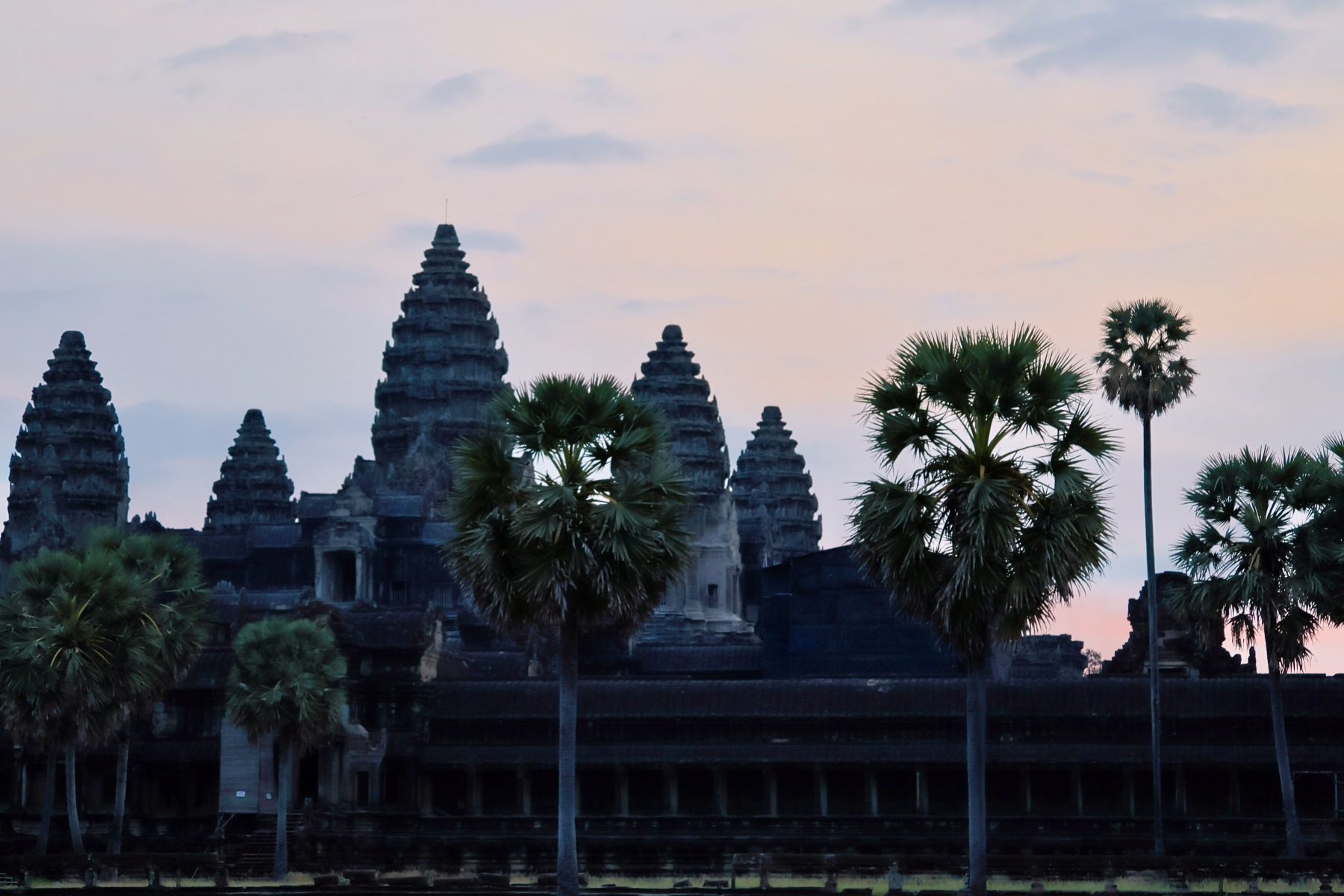
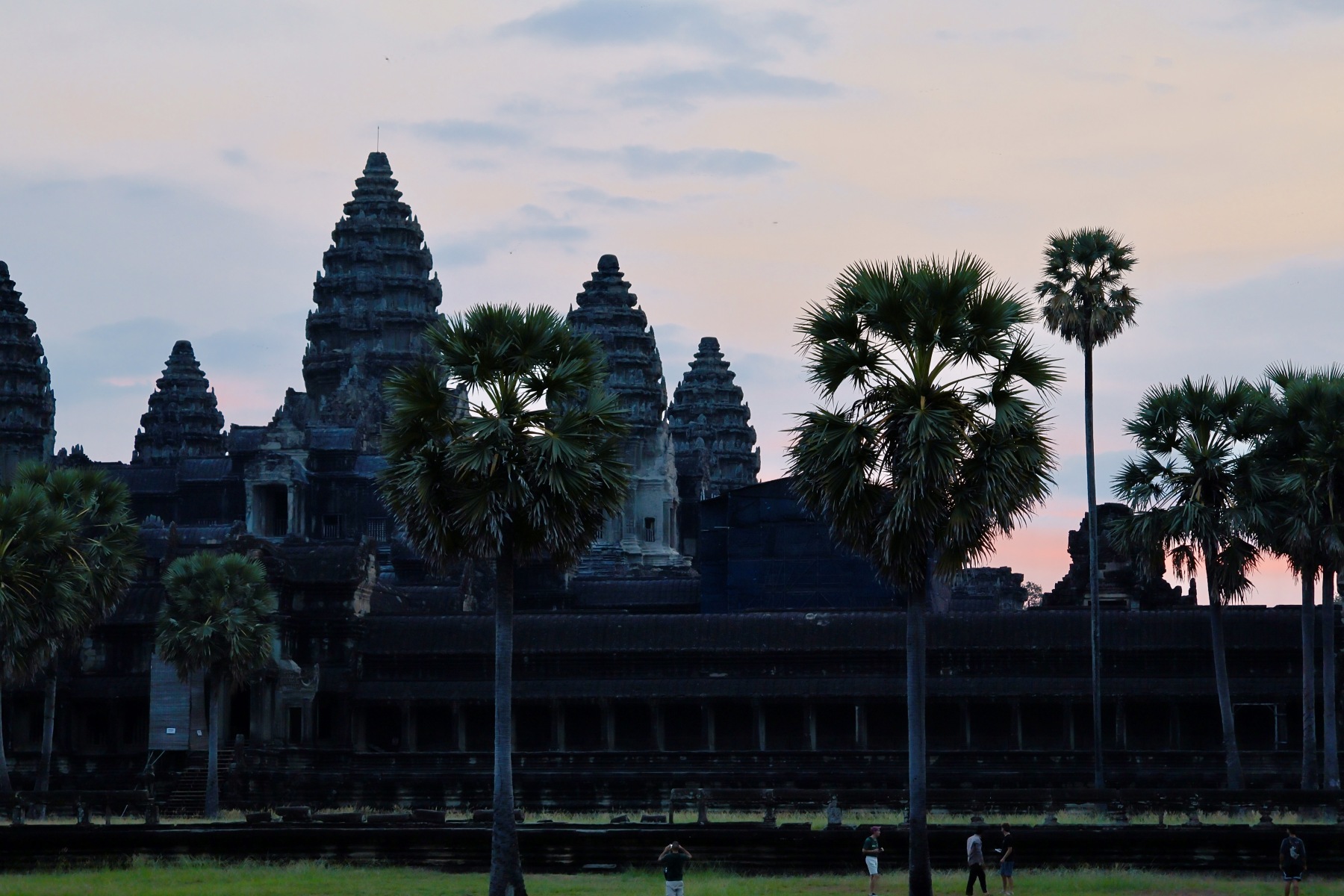
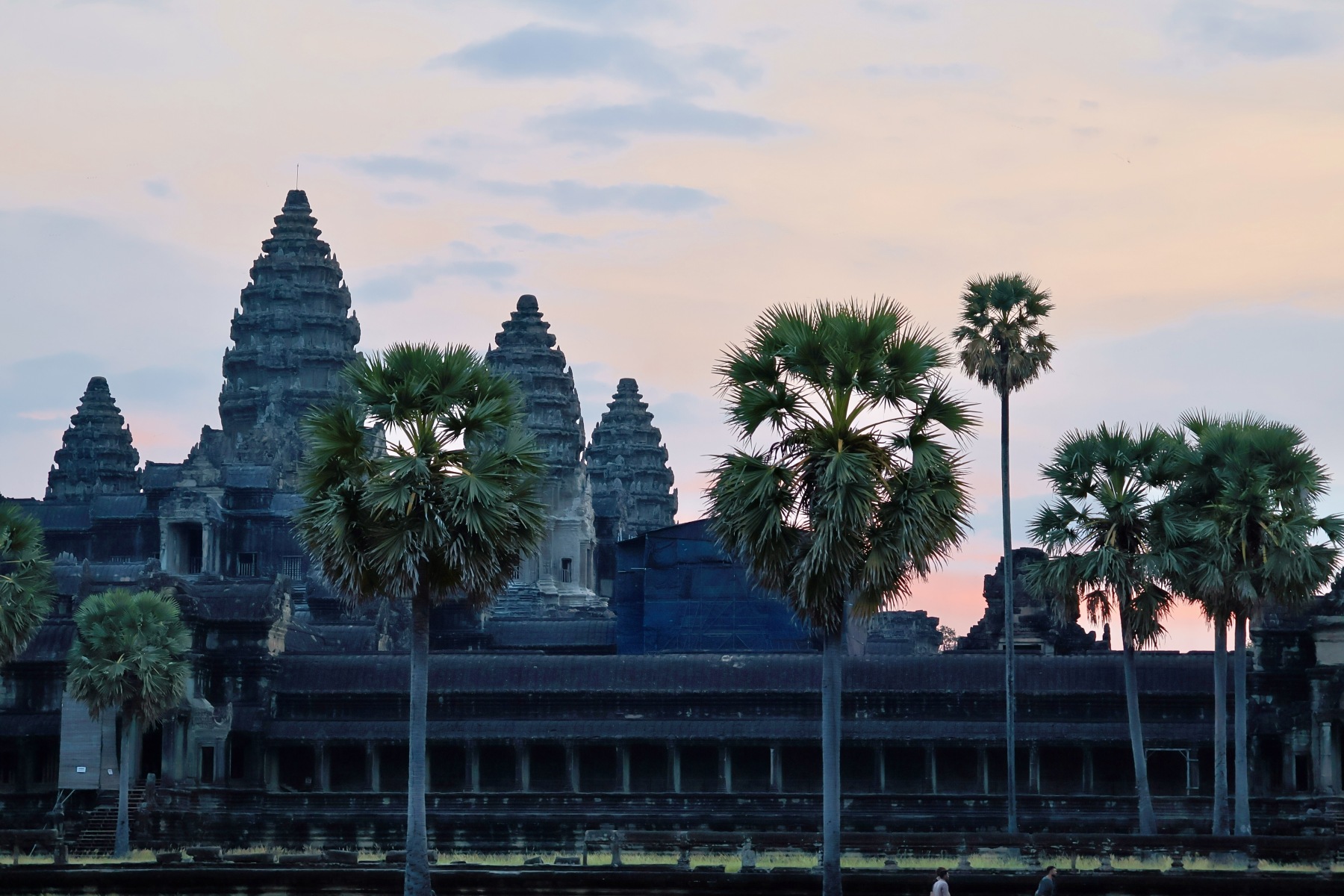
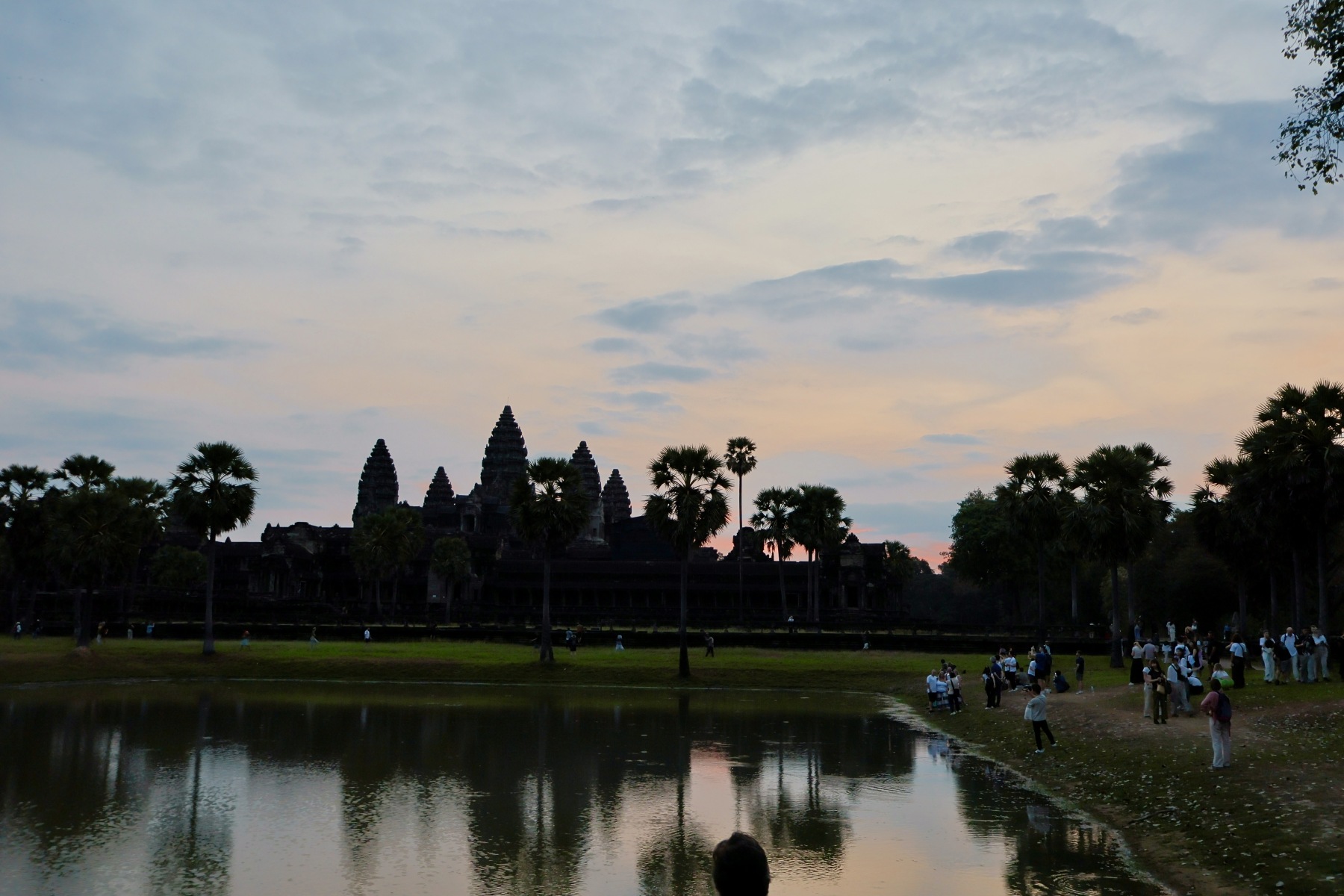
It’s hard to start writing about my experiences at Angkor without resorting to trite superlatives. I had no real expectations, other than I knew I would see what’s stated to be the world’s largest religious monument, Angkor Wat. Of course I’ve seen pictures, mostly of stunning sunrises and sunsets.
Nothing prepared me for the scale, intricacy and (to use an appropriate term) majesty of the site as a whole. Angkor is more than just the Wat, prime draw as that is. With a history stretching from the 9th to 15th centuries, it’s a testament to the millions of people who lived across at least 1000 square kilometres, site of the founding of a kingdom and a complex interplay between Hindu and Buddhist religions.
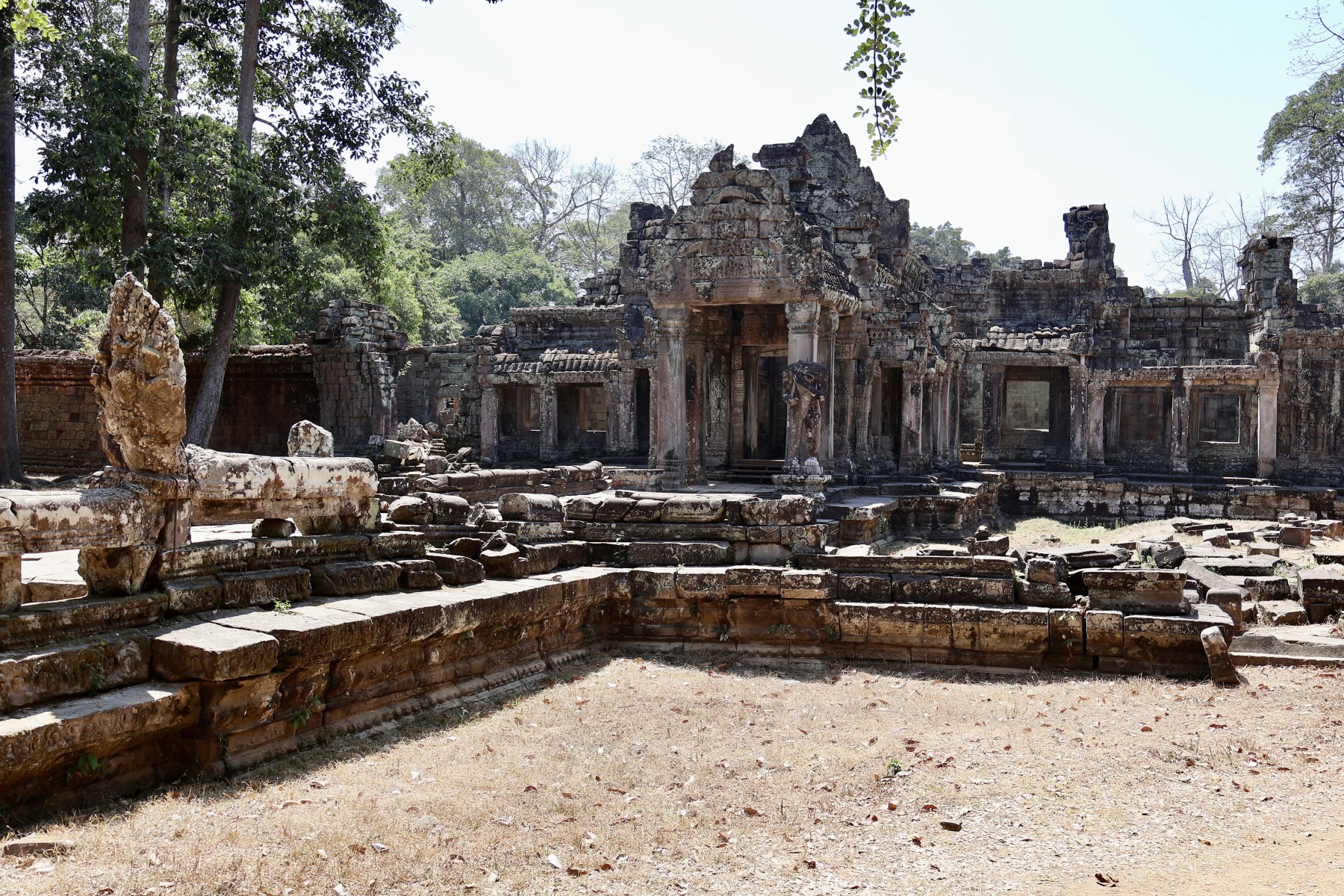
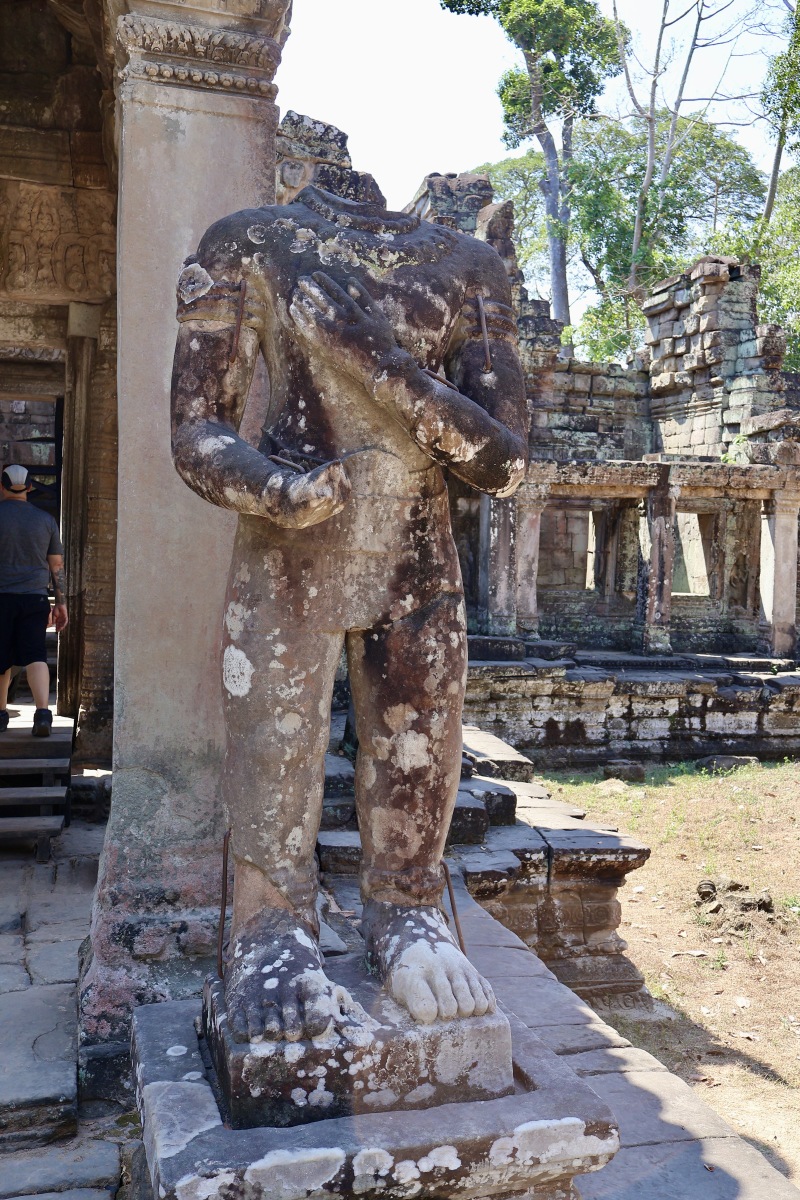
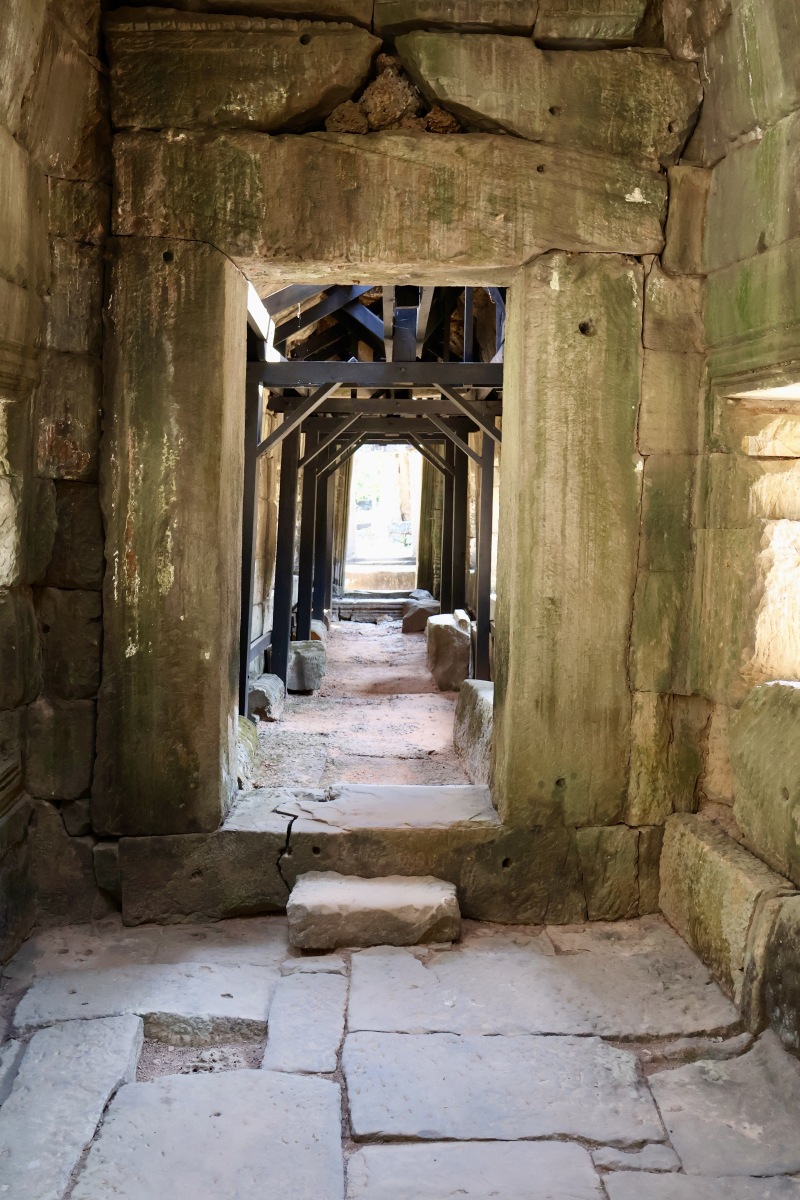
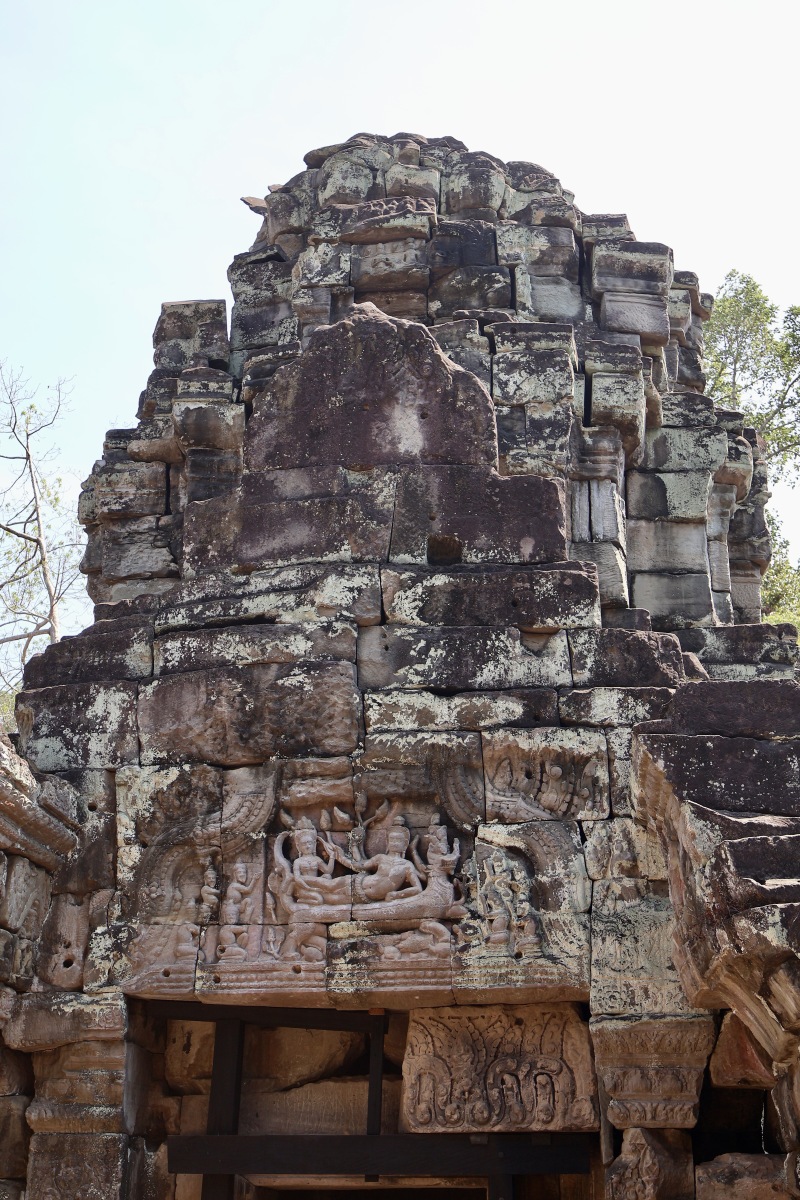
As soon as a good connection allows, I’ll post many (many) pictures I took across two days in a separate gallery, but I’ll summarise here the places I visited.
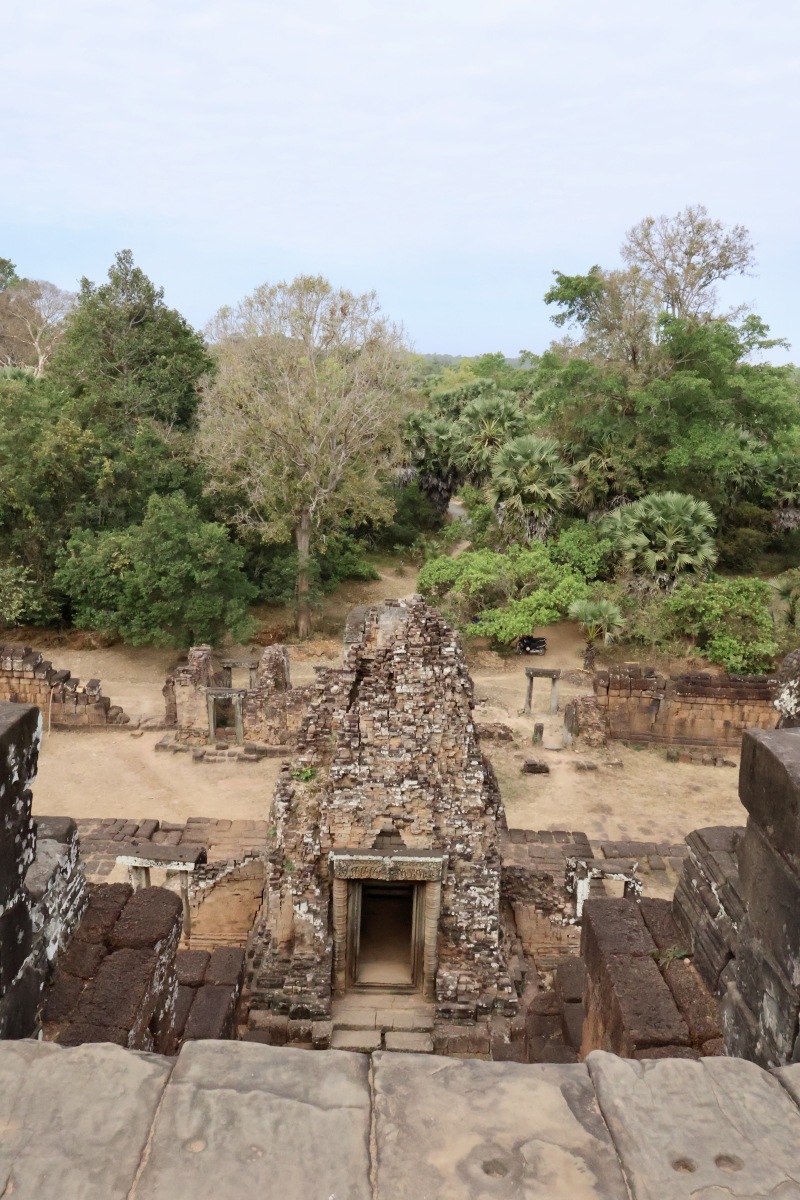
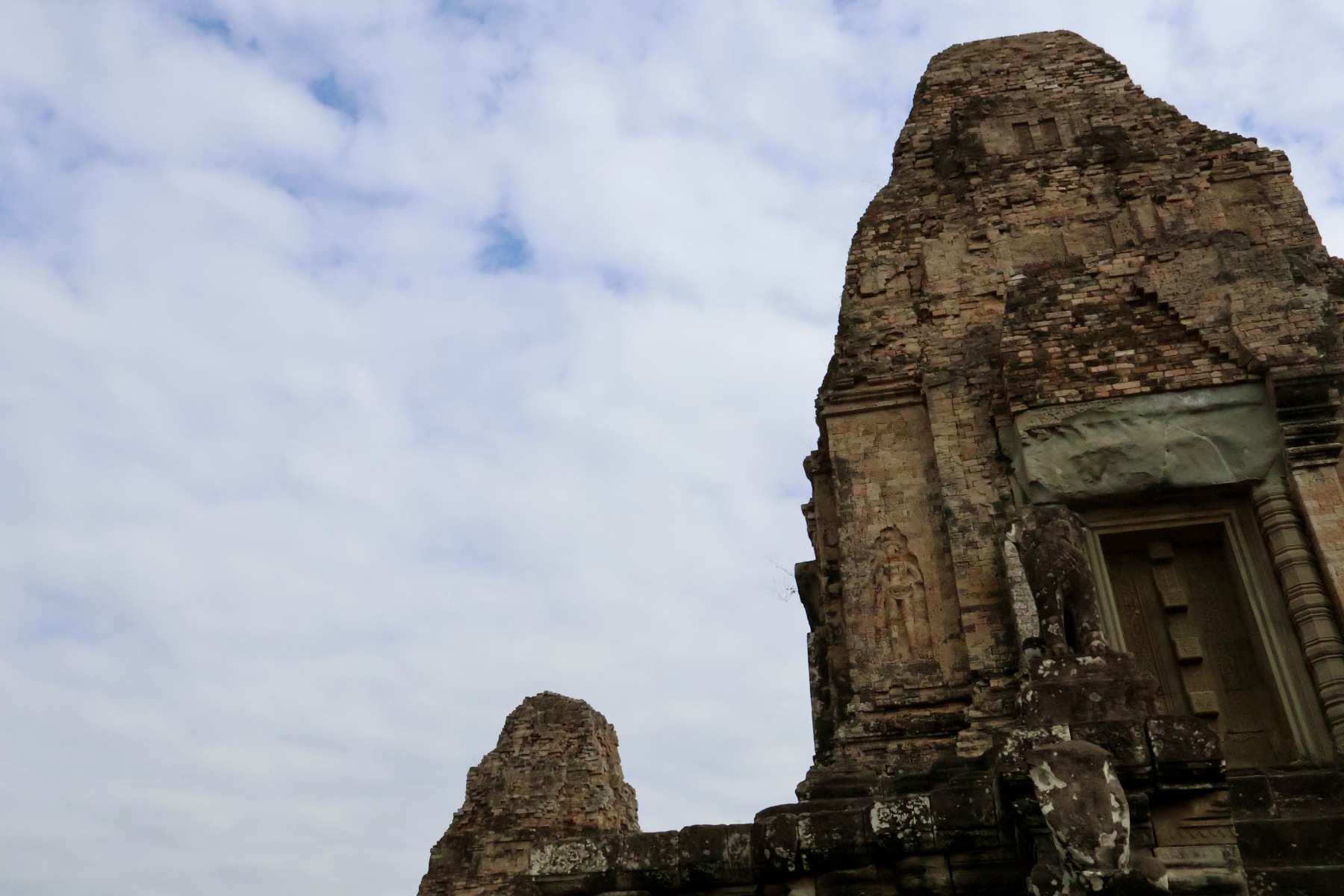
Completed 961 AD for Rajendravarman II. Dedicated to Shiva, the Hindu God of Destruction.
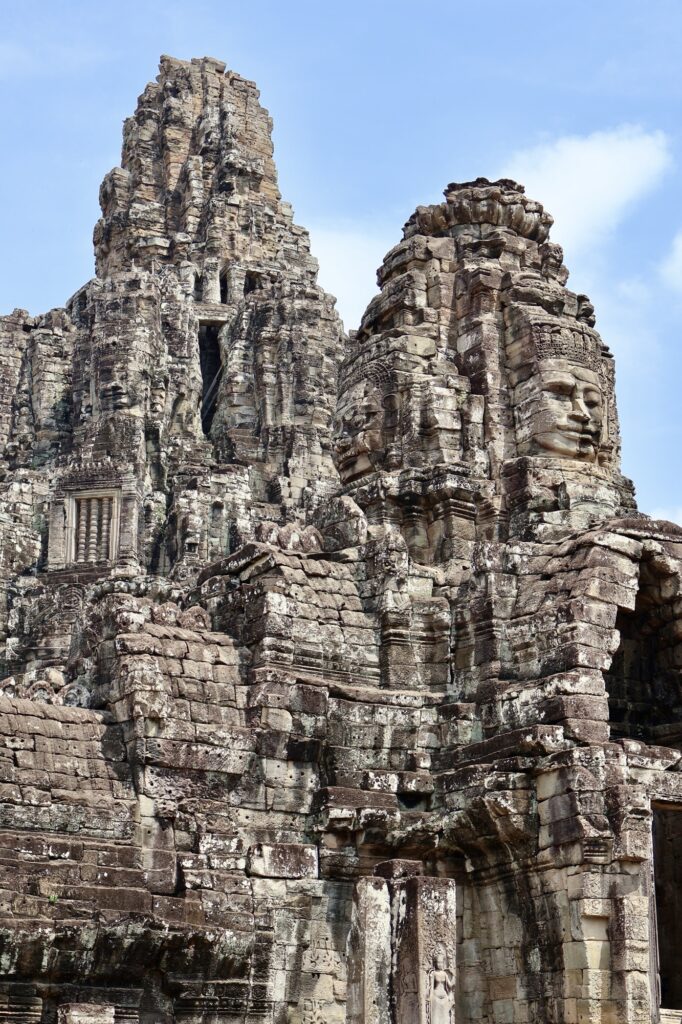
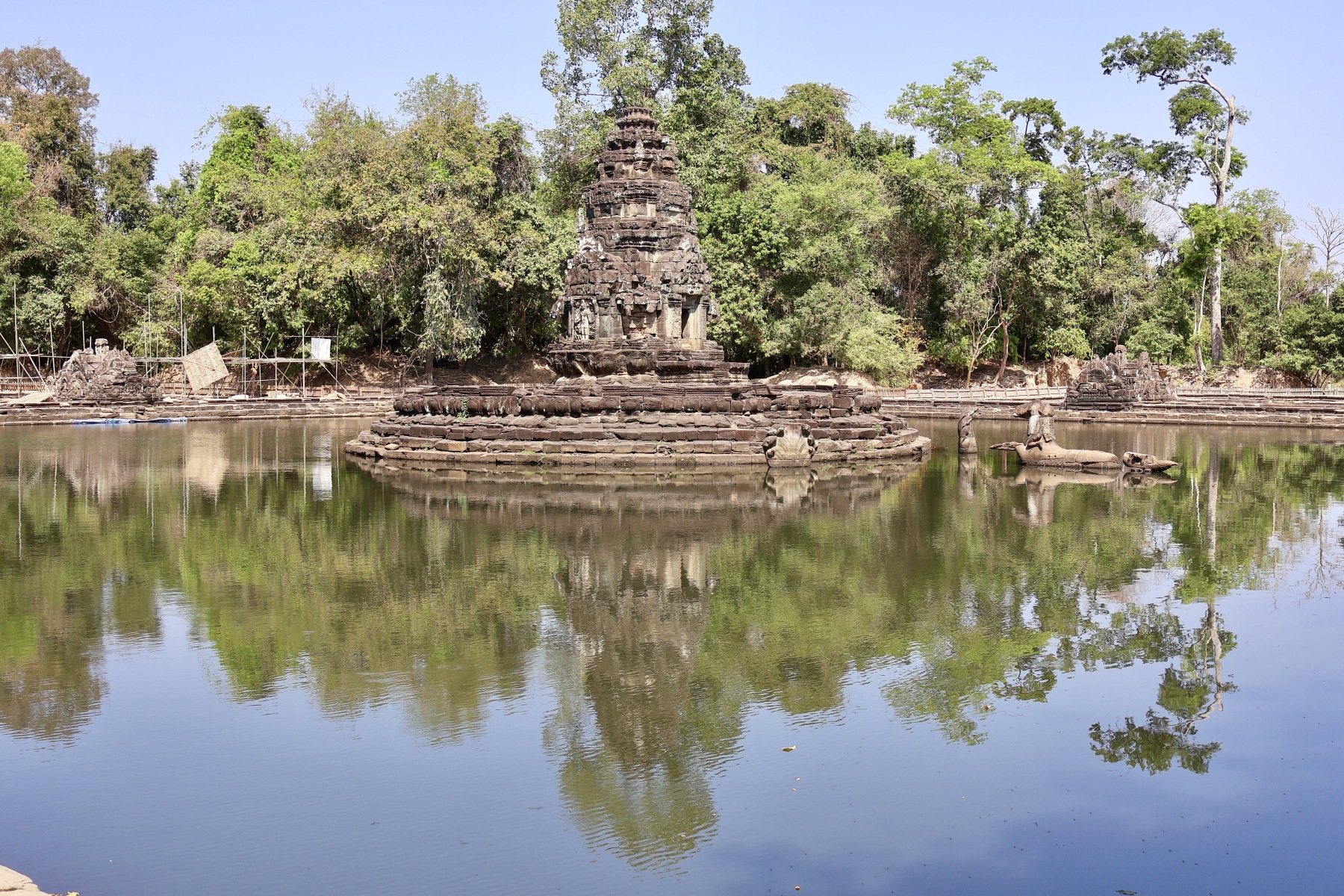
Completed second half of the 12th century for Jayavarman VII. Dedicated to Avalokitesvara, the Buddhist Lord who looks Down.
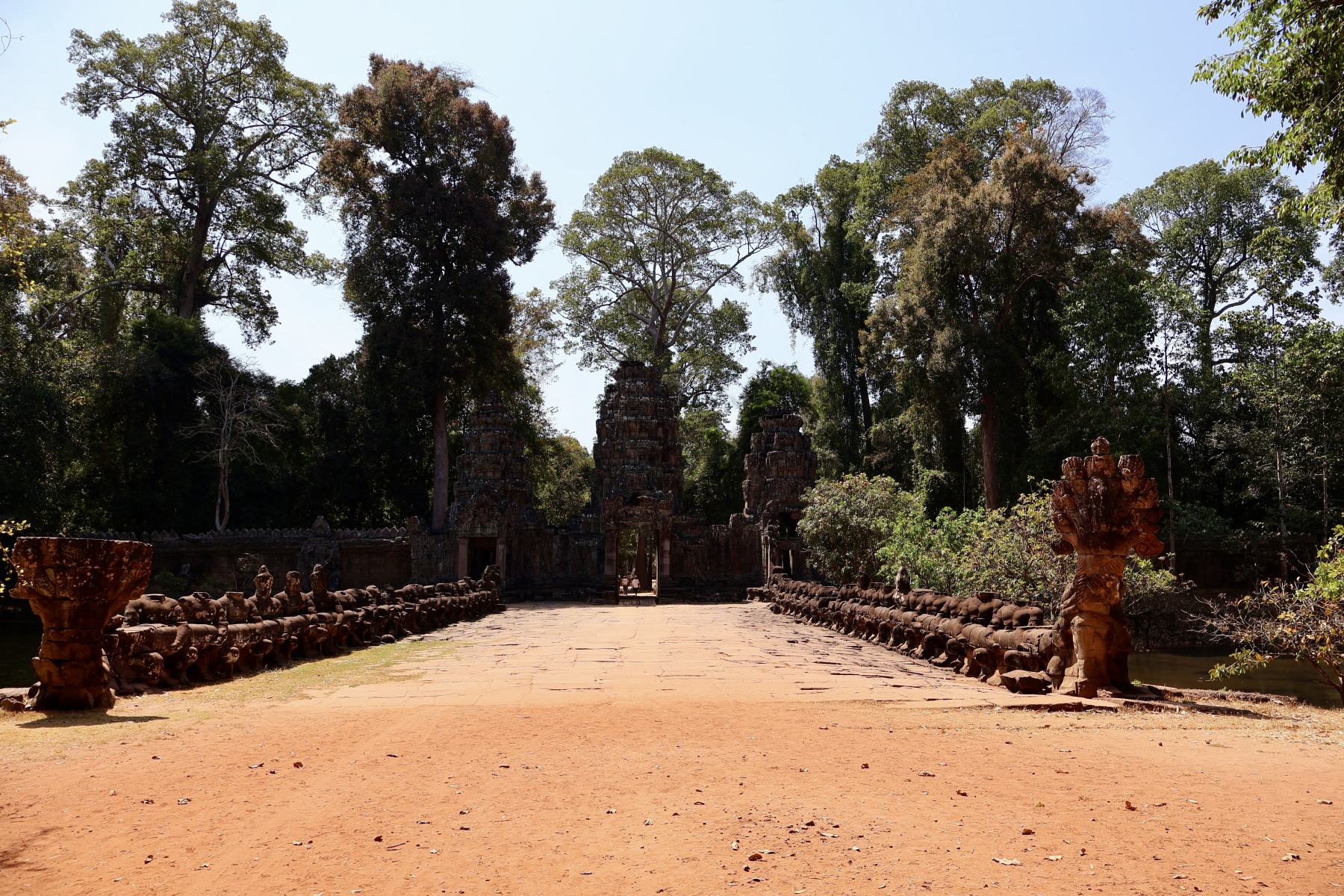
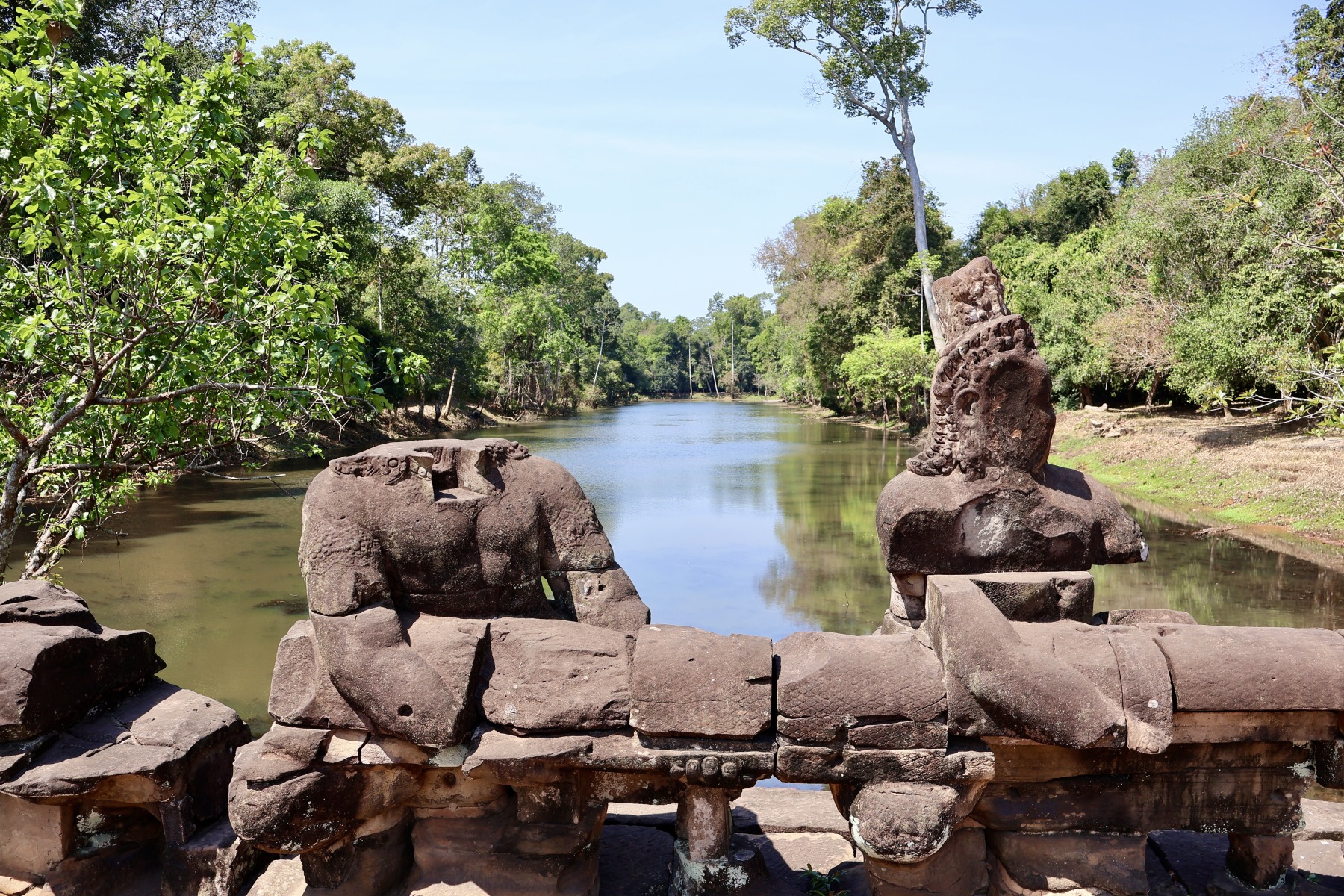
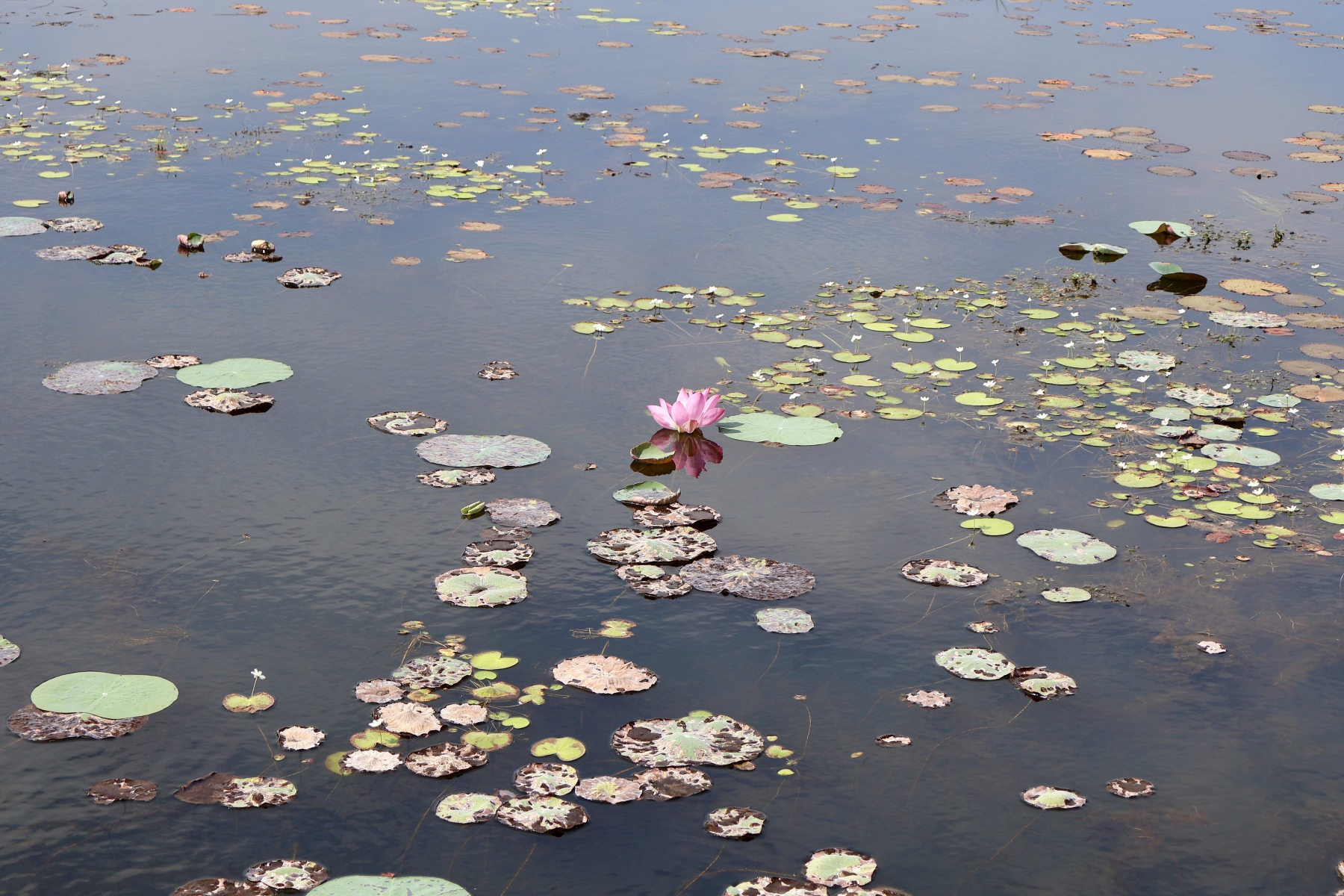
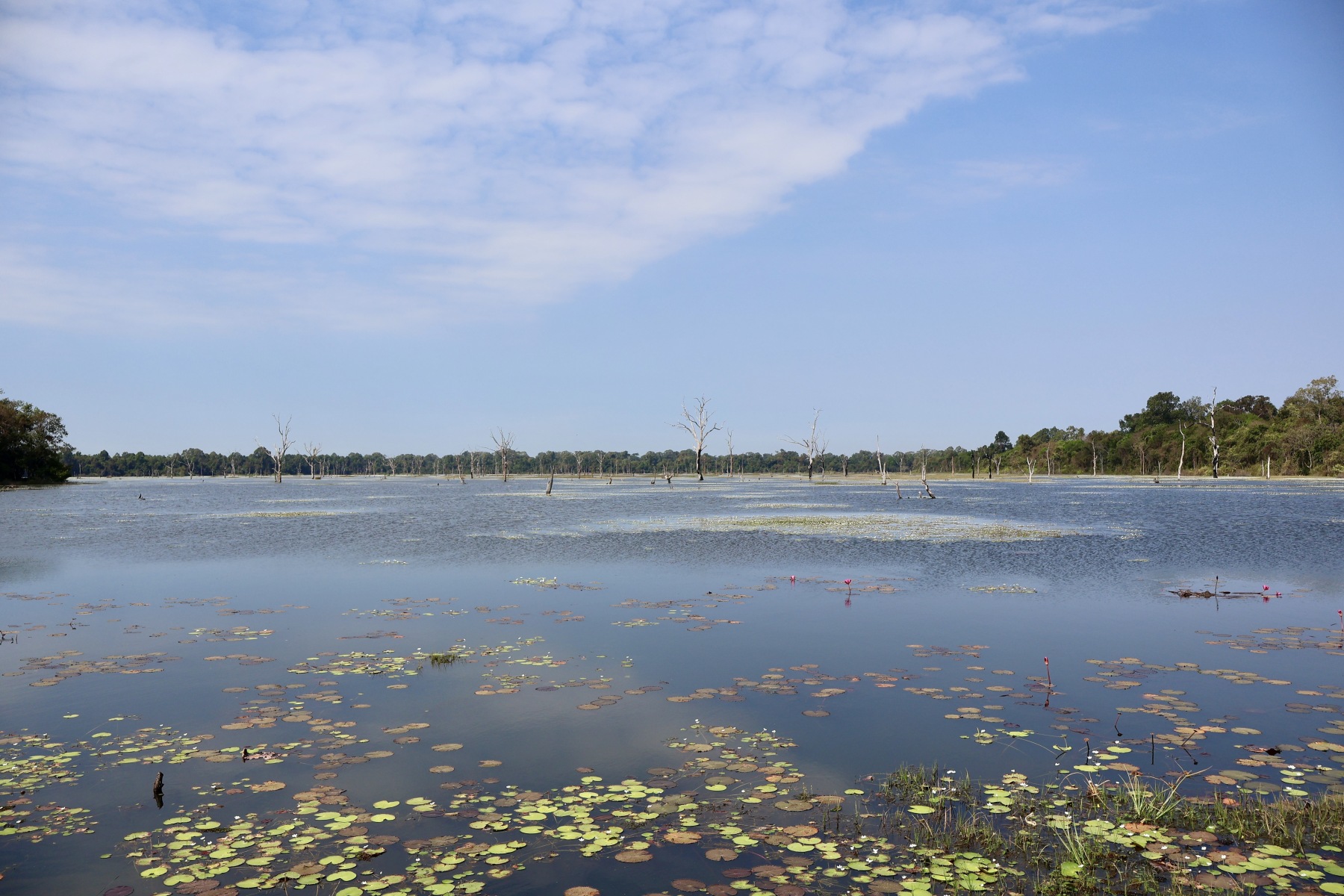
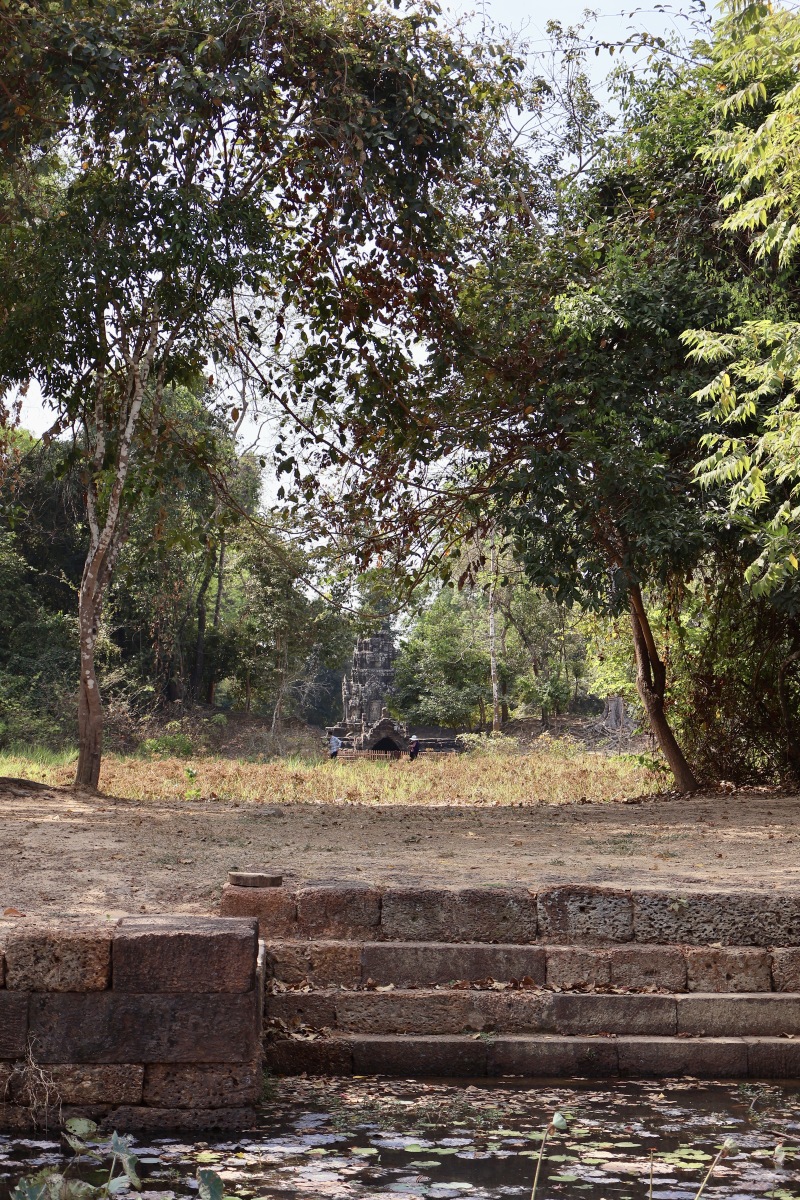
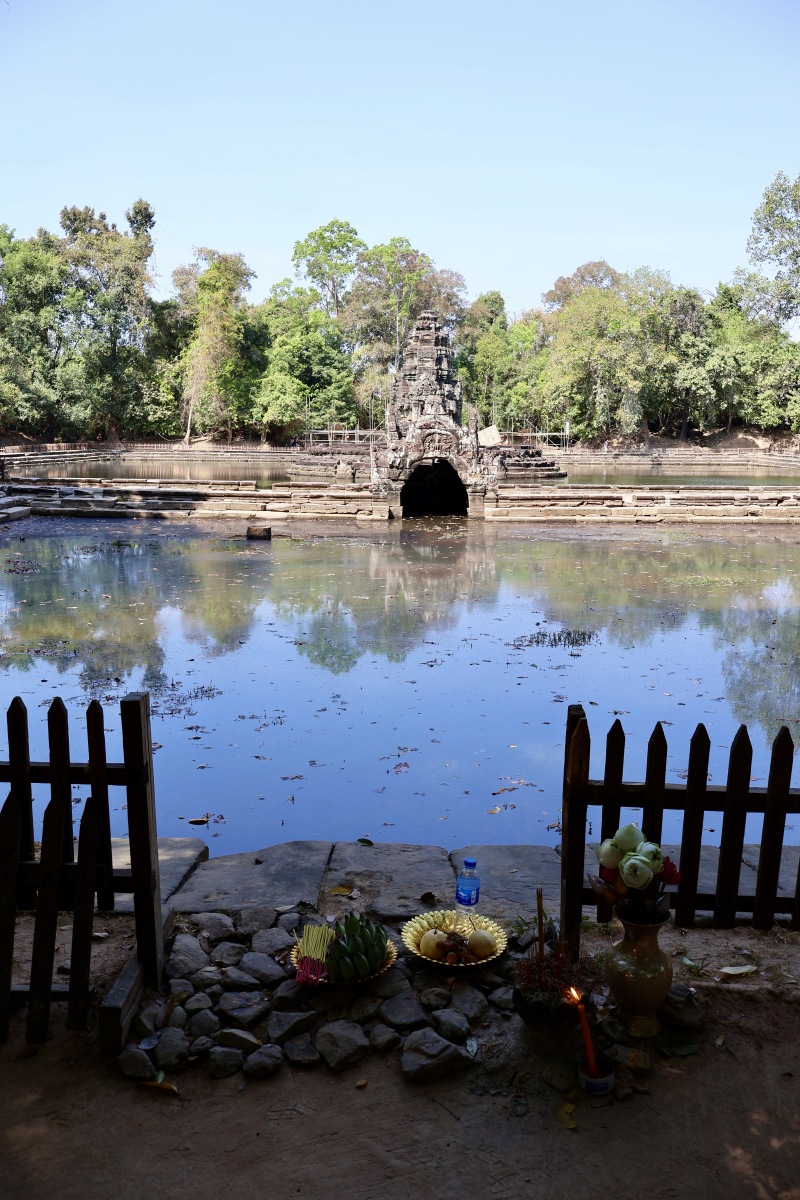
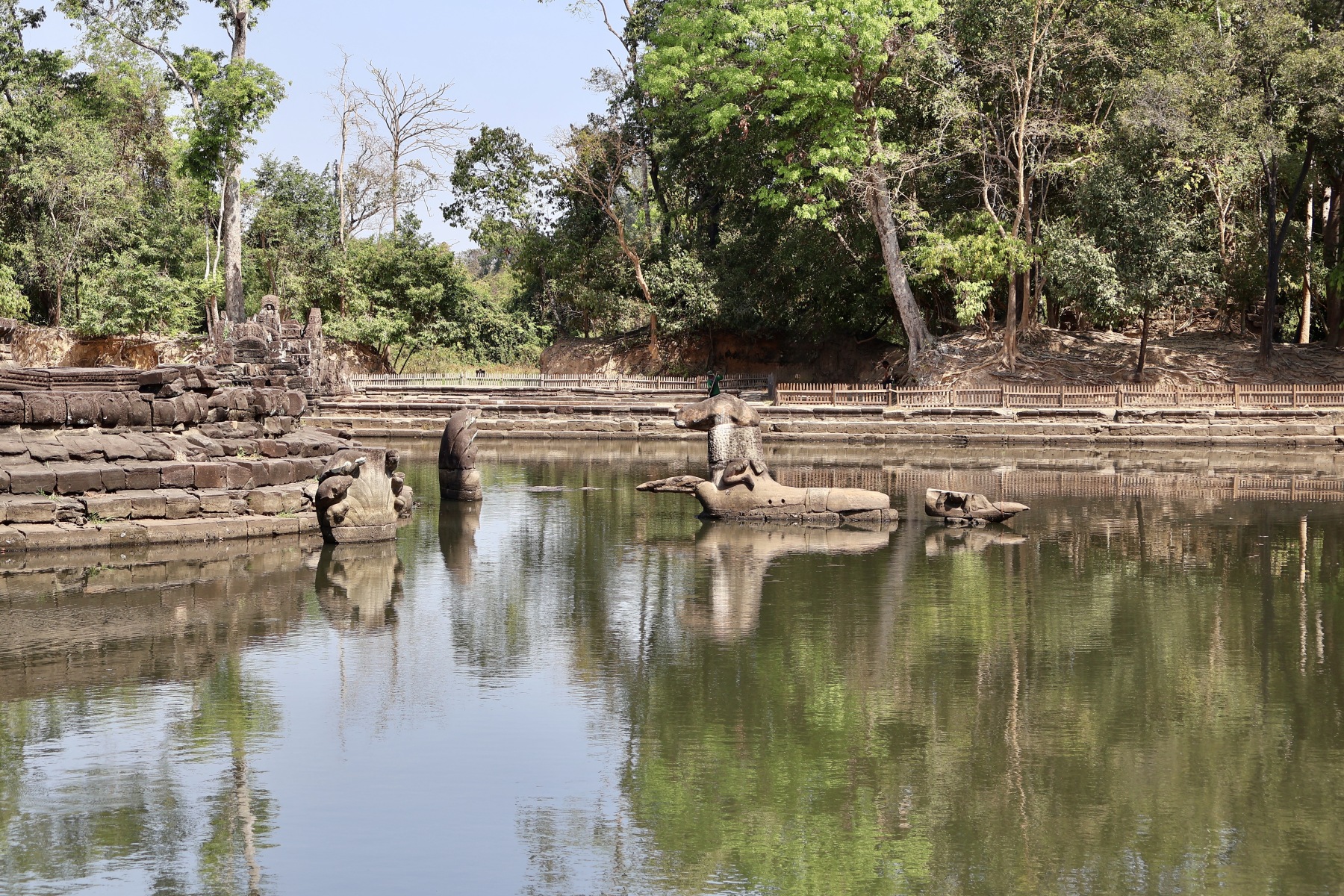
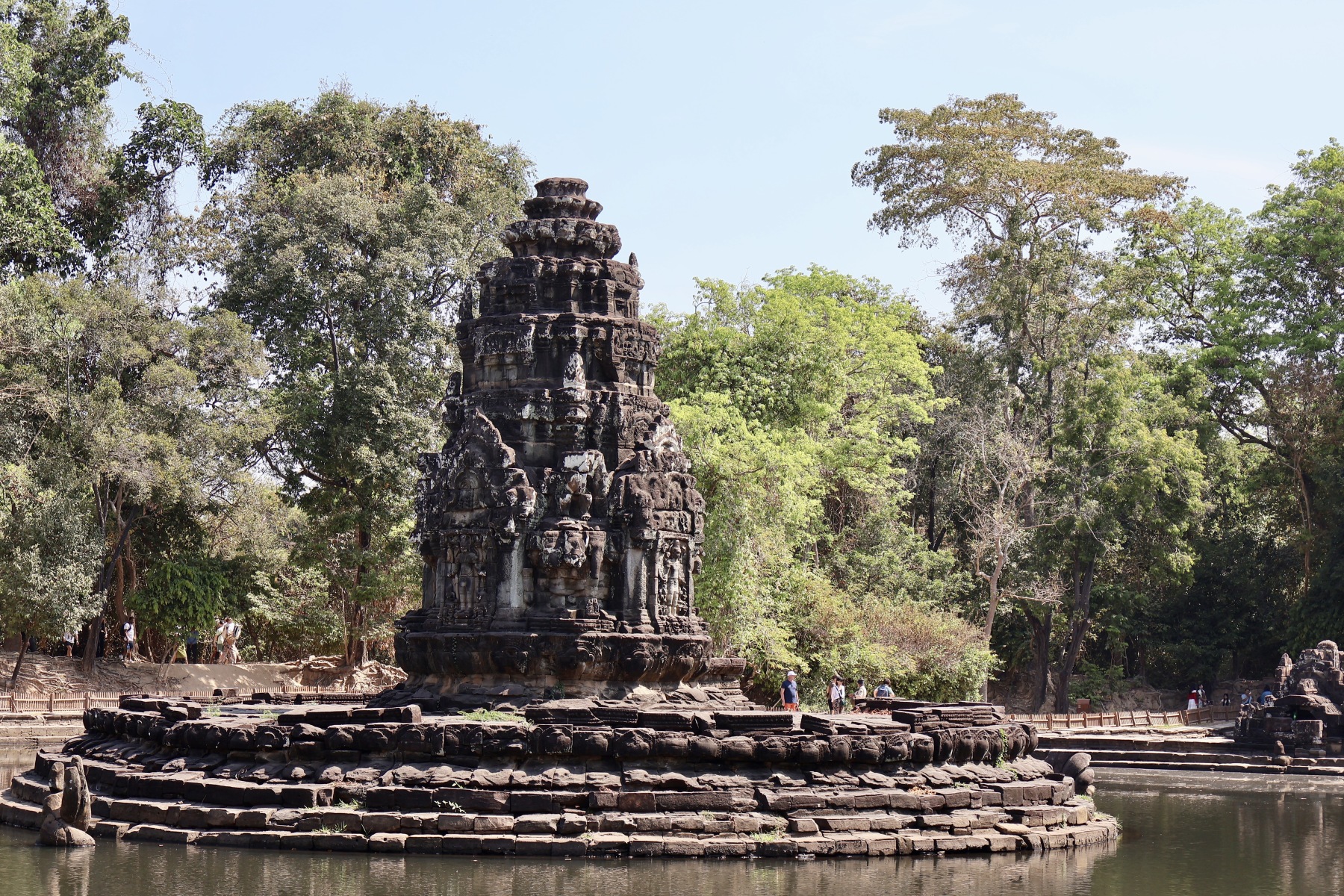
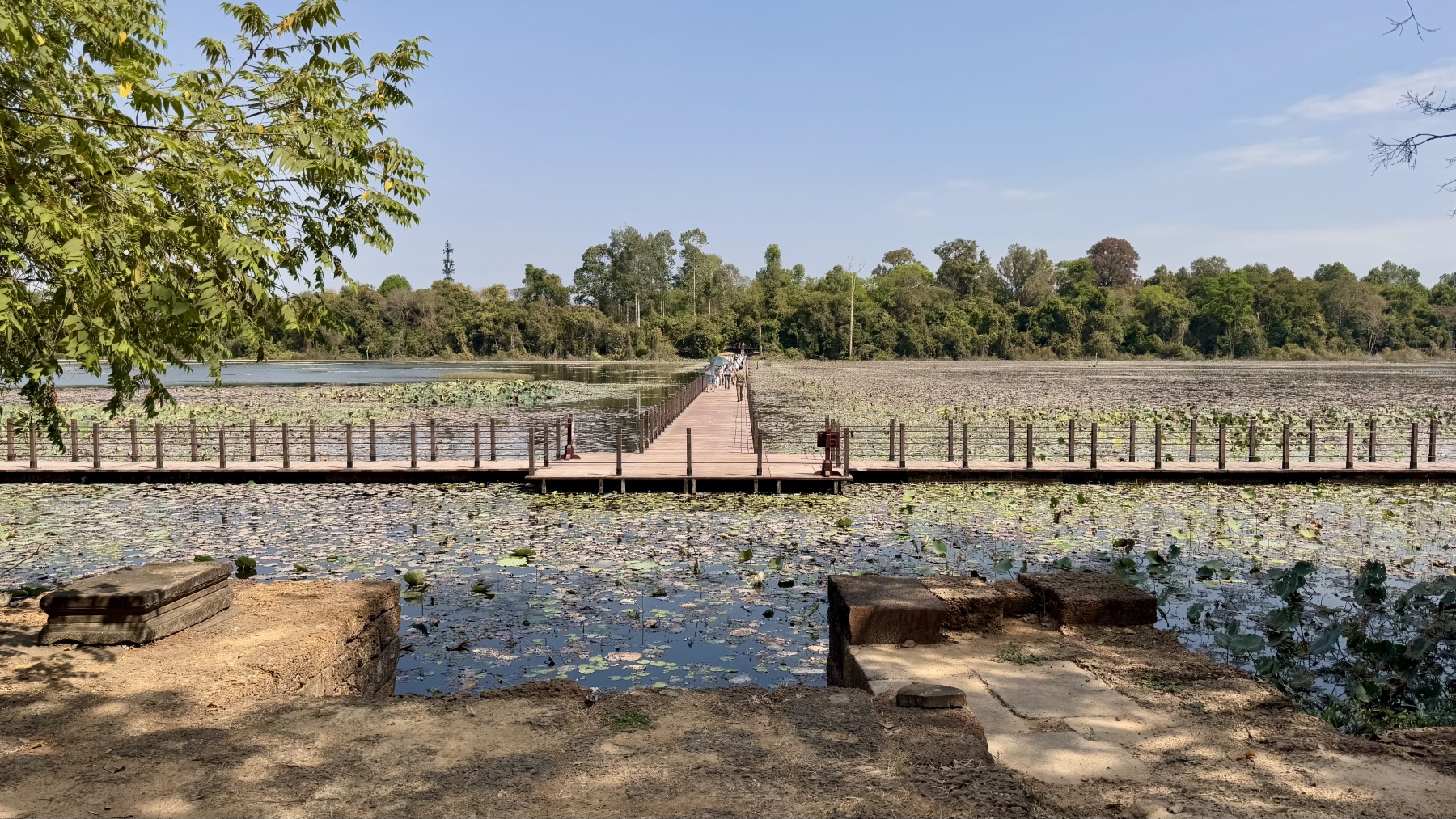
Accessed across a vast man-made moat, this temple includes five pools, four small at polar points around a larger central pool. The four pools represent the four elements, wind, fire, water and earth, and each is guarded by their representative animal, elephant (north), bull (east), horse (south) and lion (west).
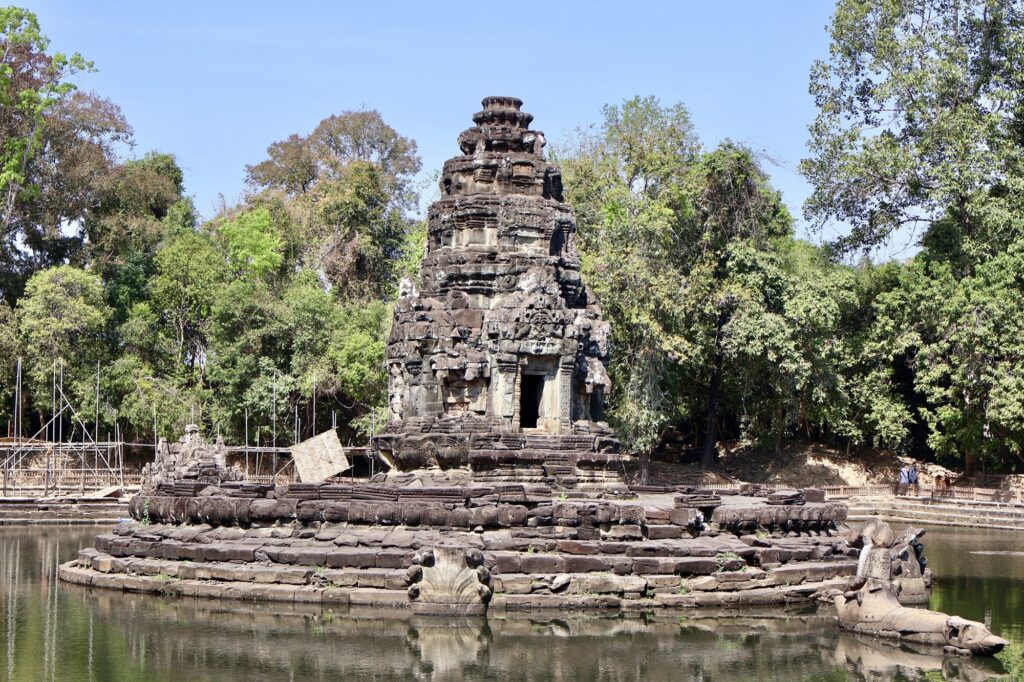
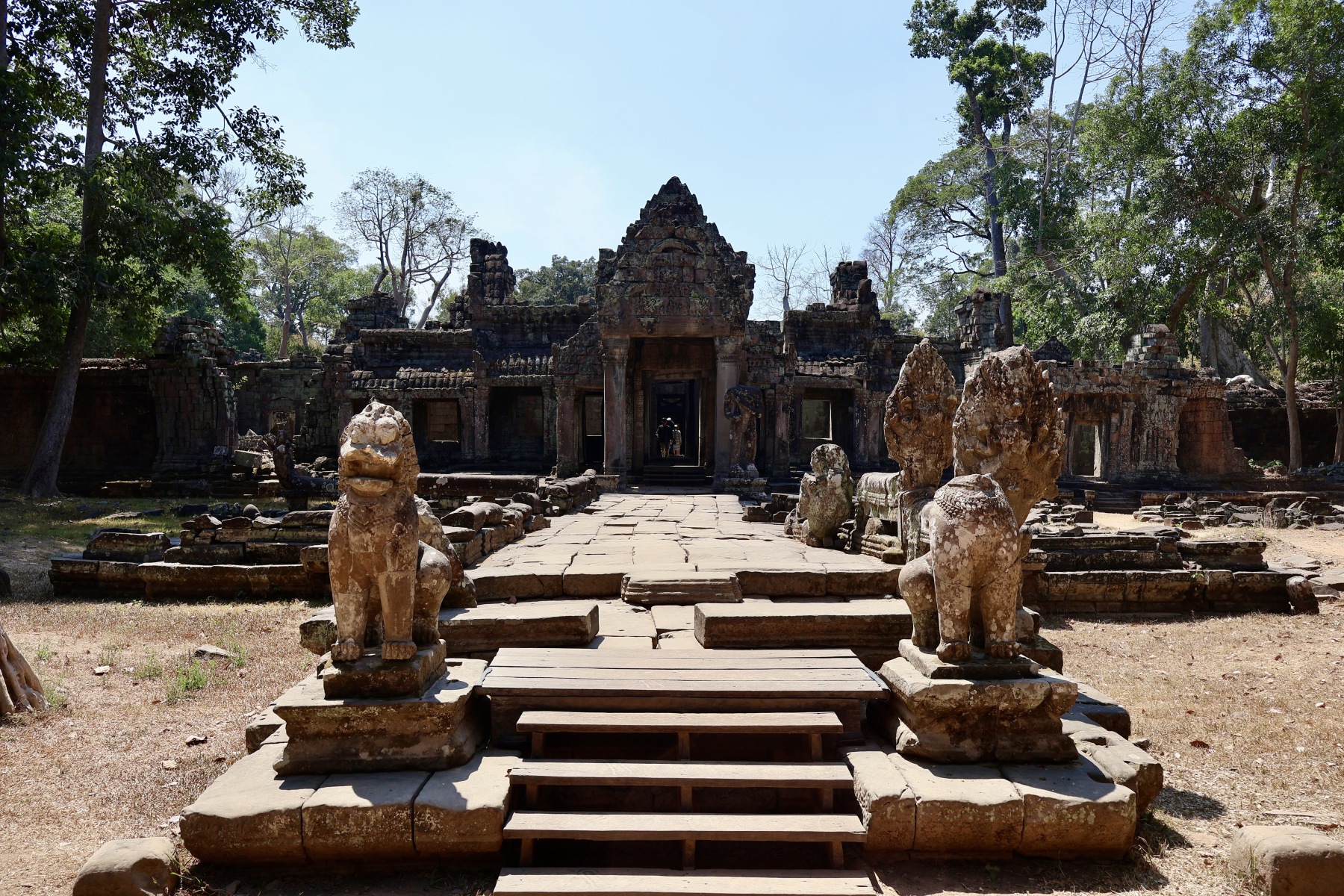
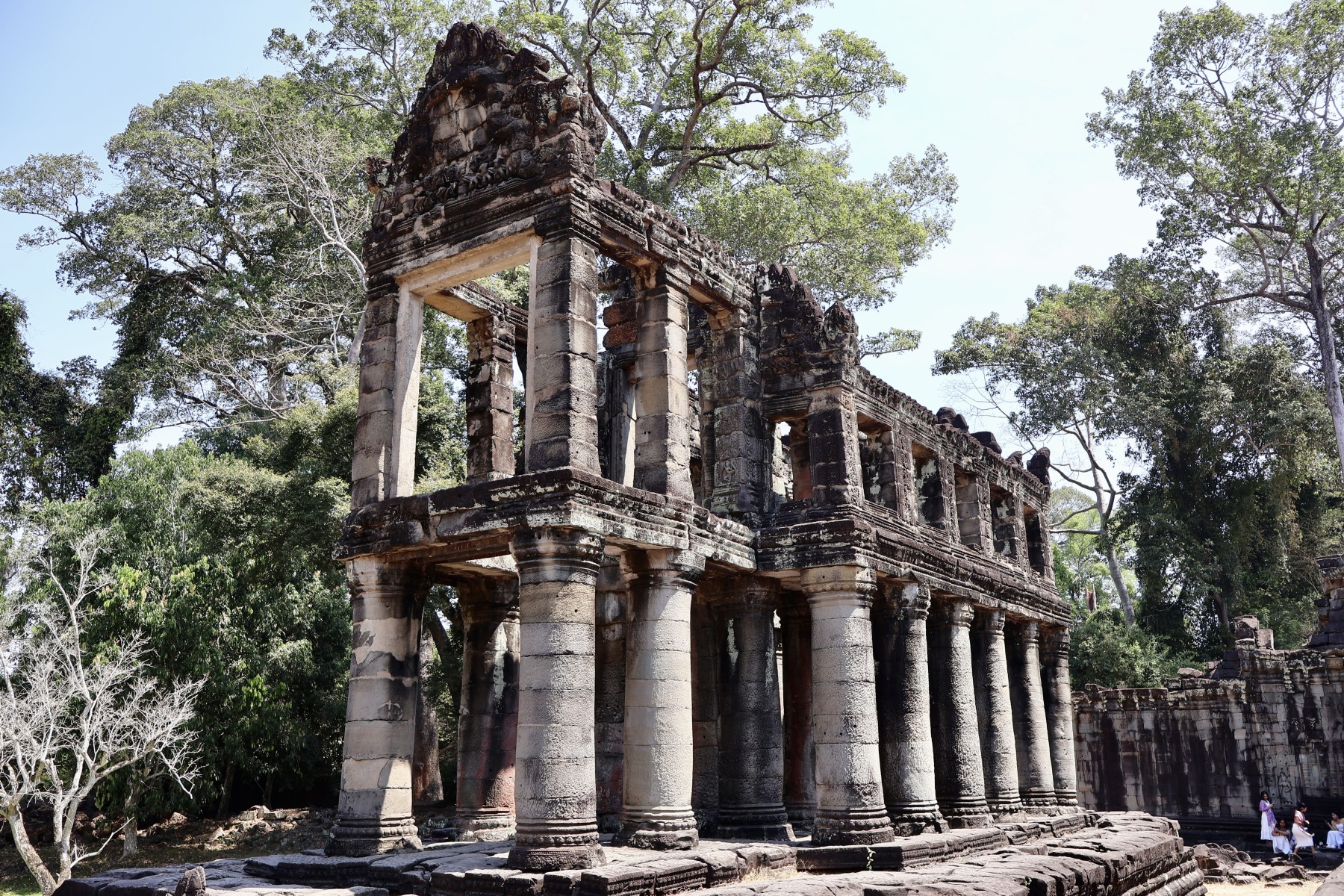
Completed 1191AD by Jayavarman VII to honour his father Dharanindravarman II. Buddhist with later Hindu influences.
Principally an administrative and learning centre, this temple can be considered a university complete with library and study halls.
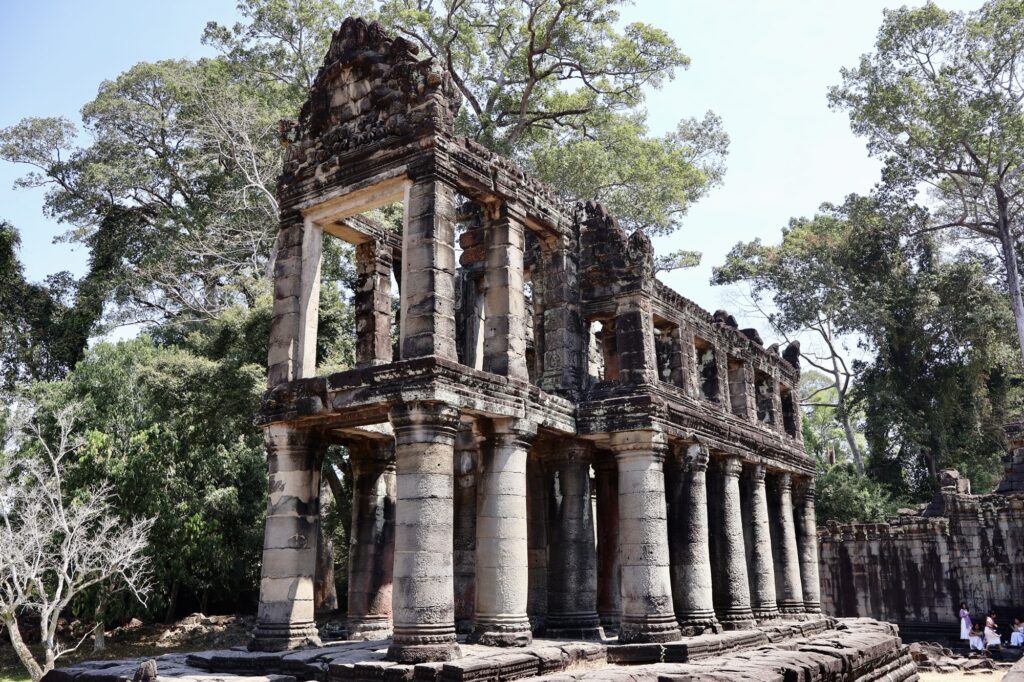
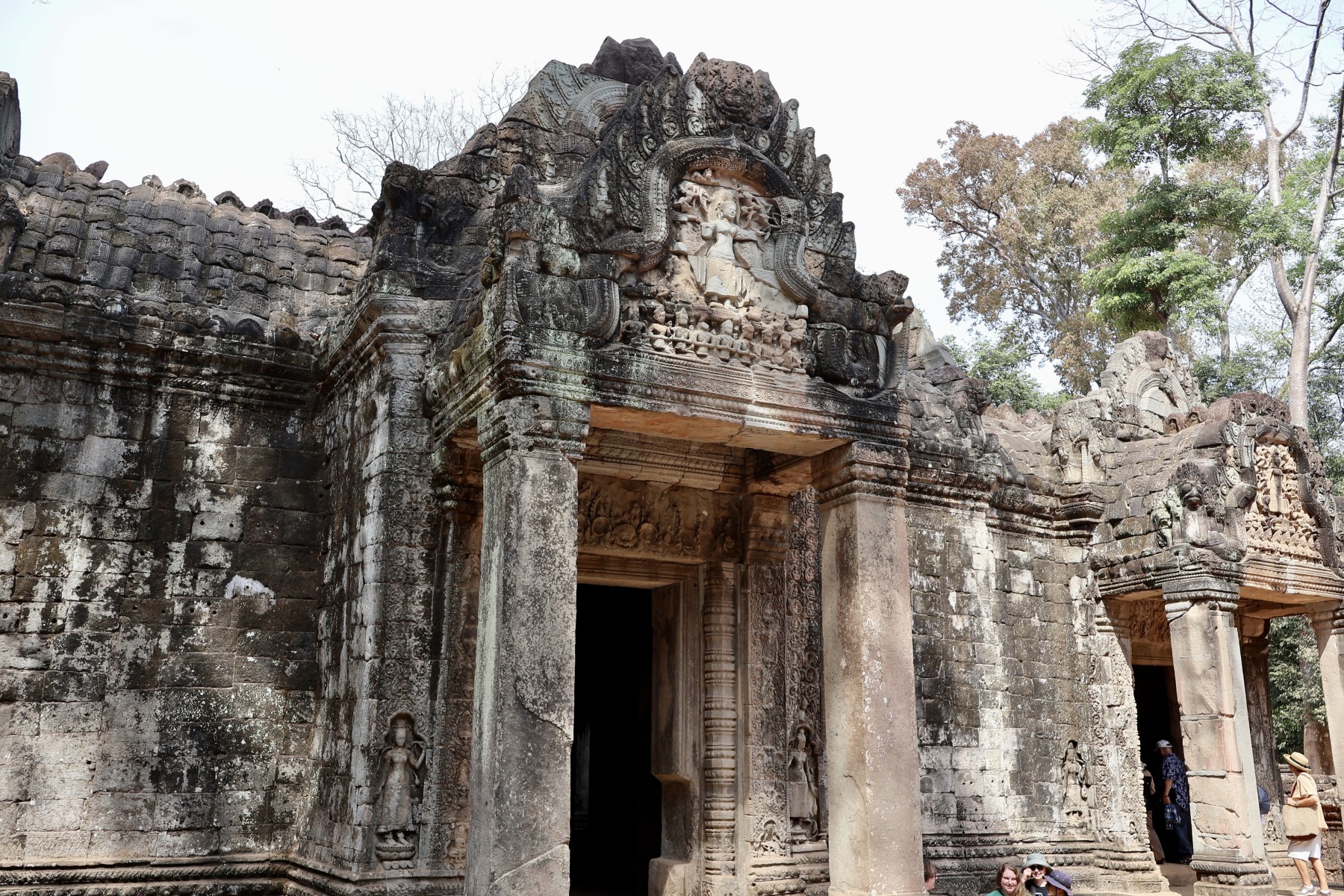
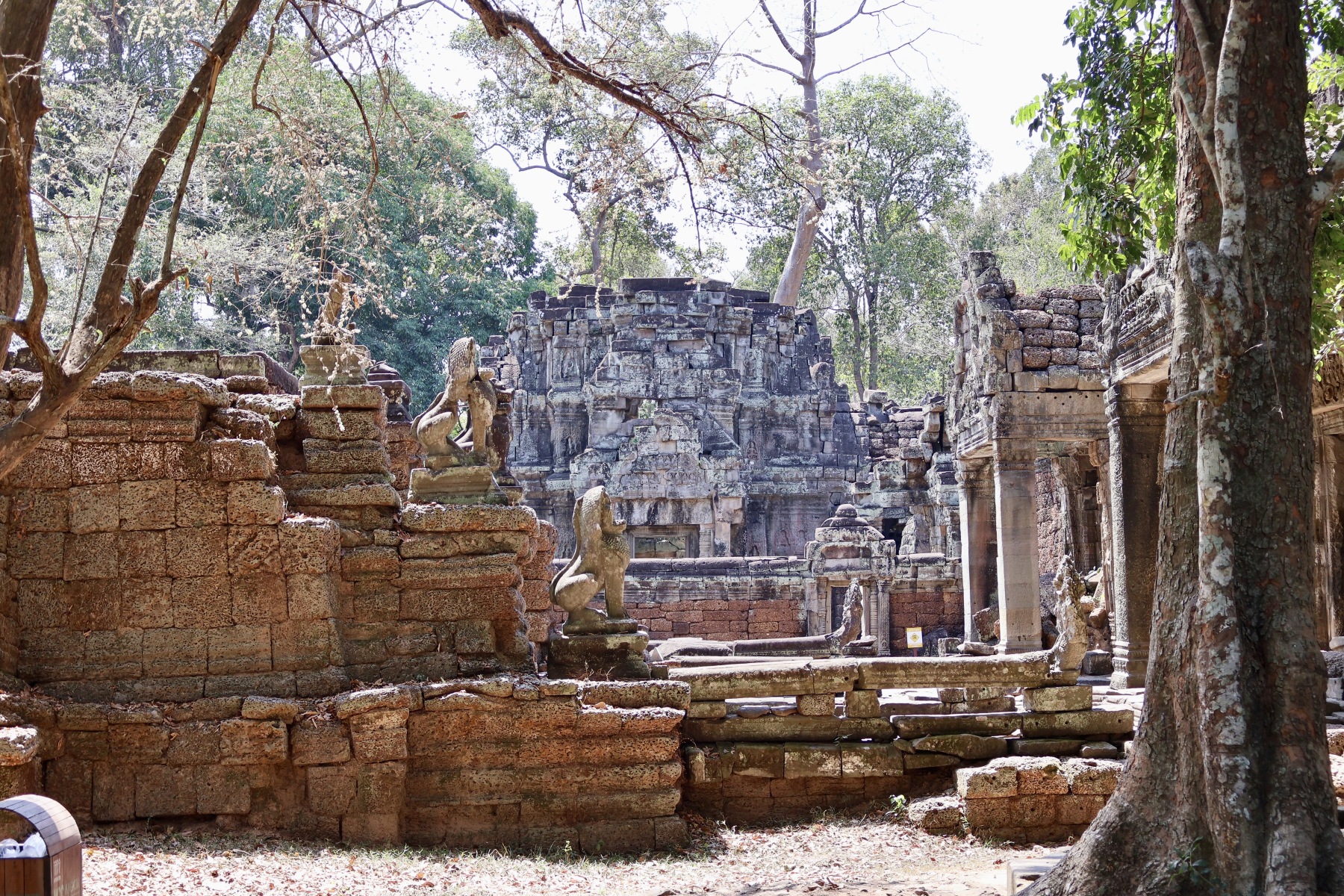
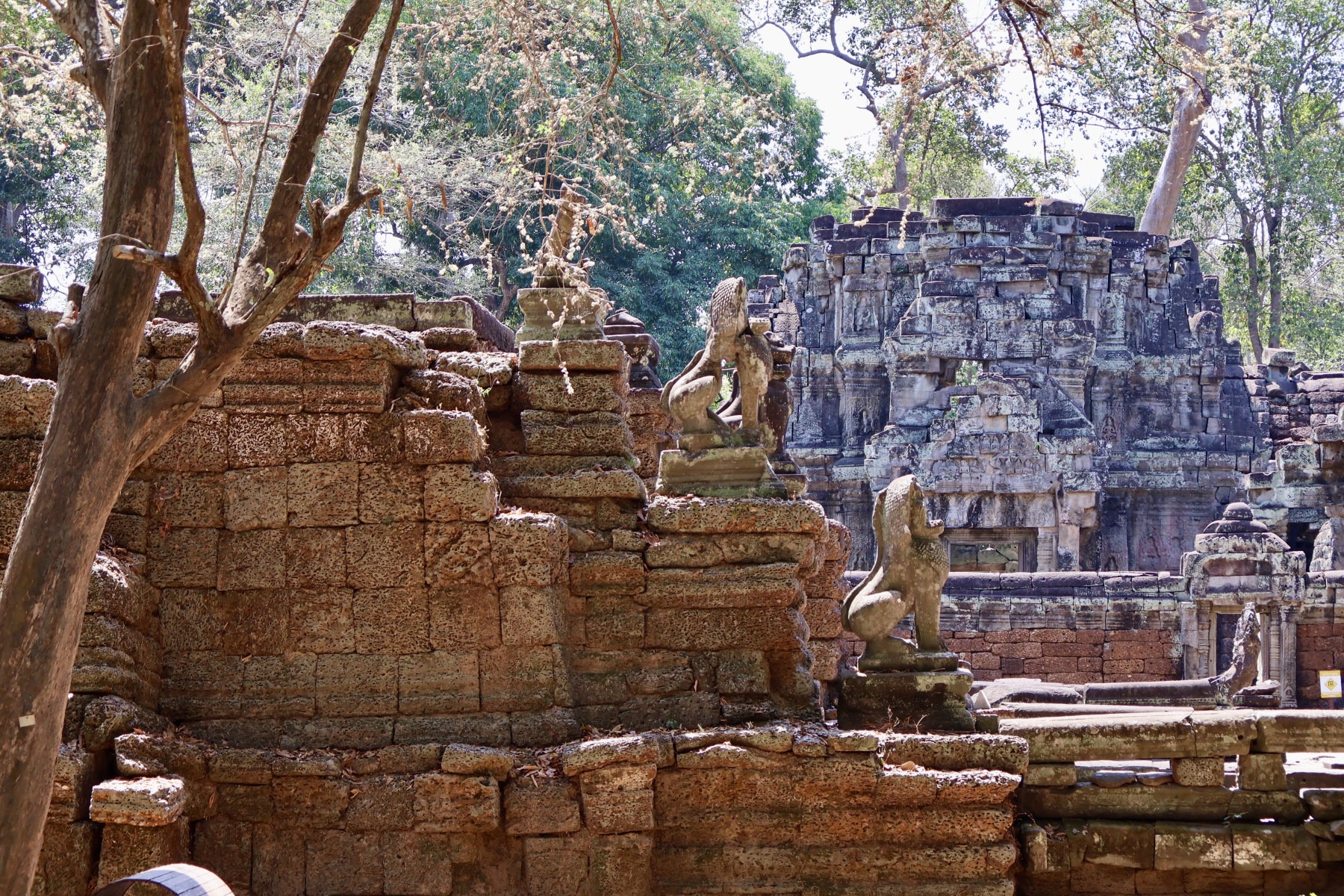
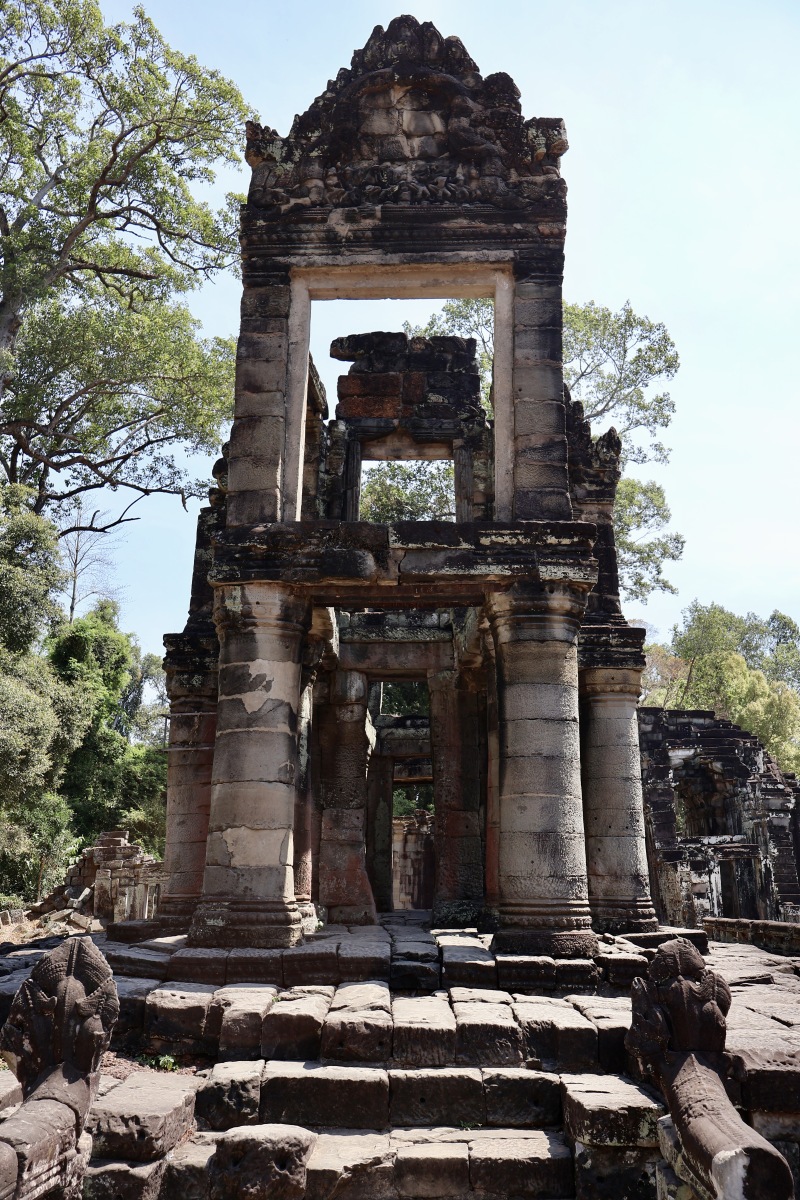
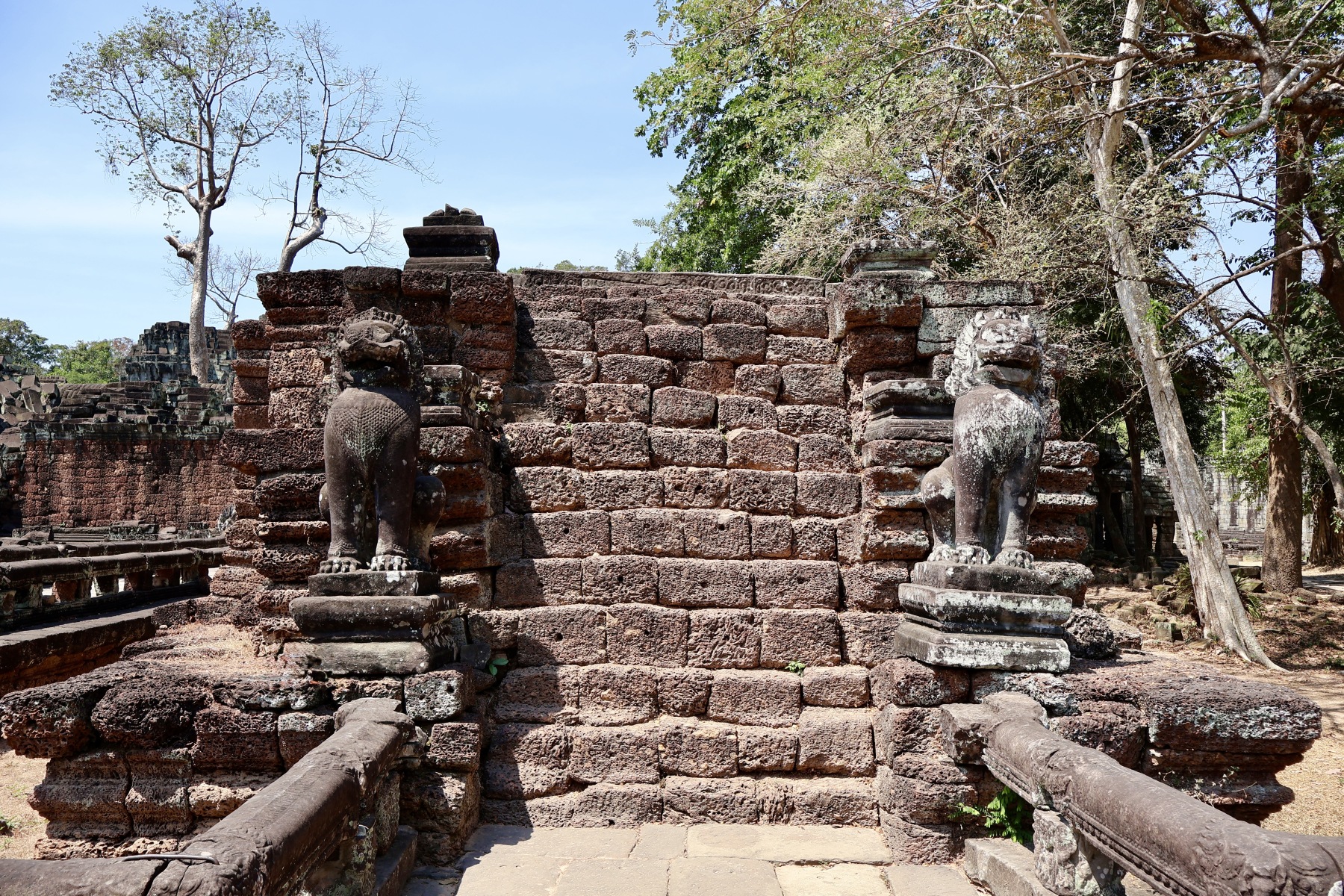
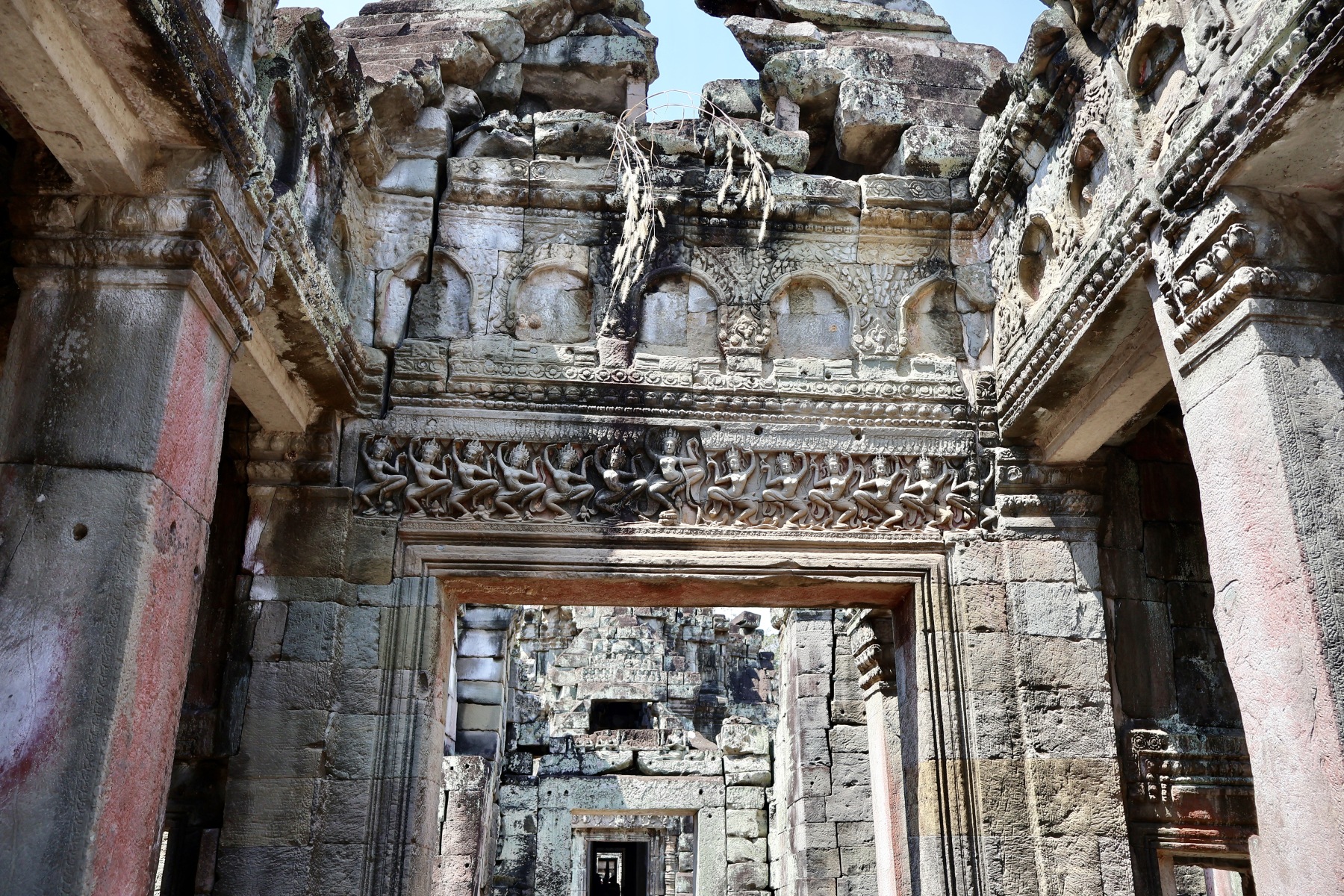
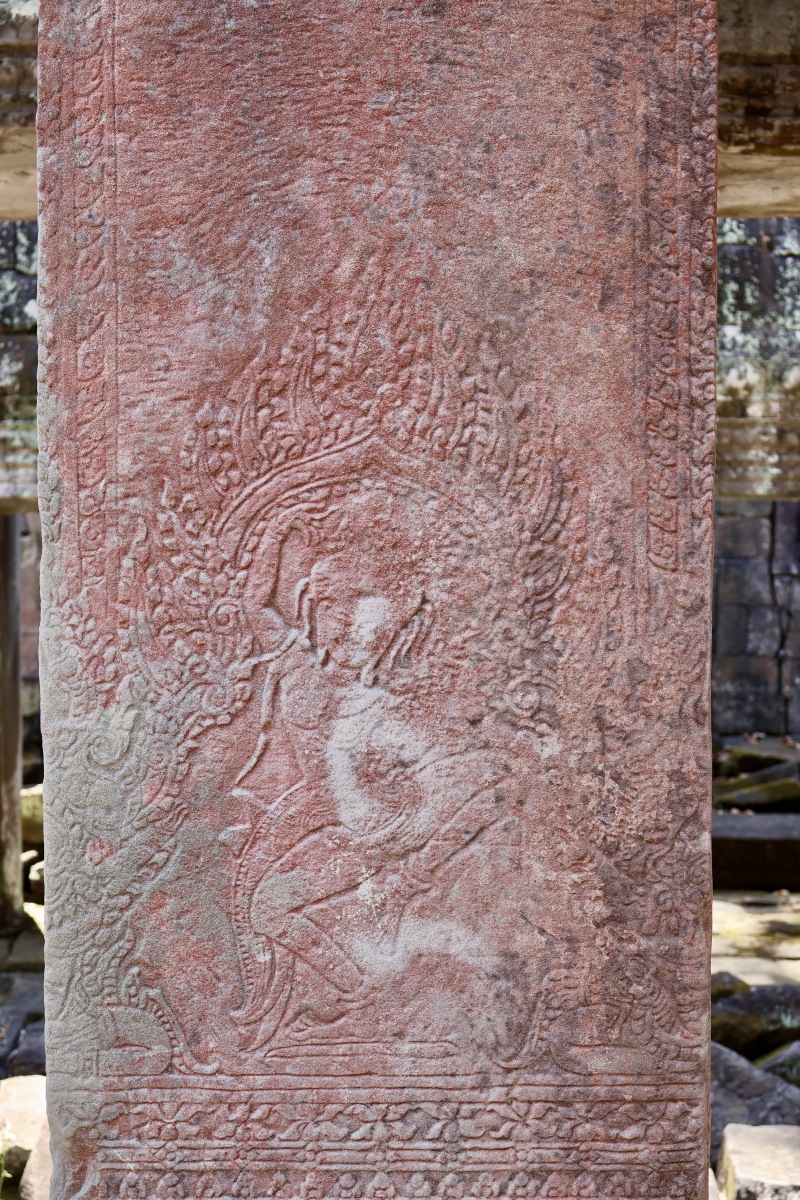
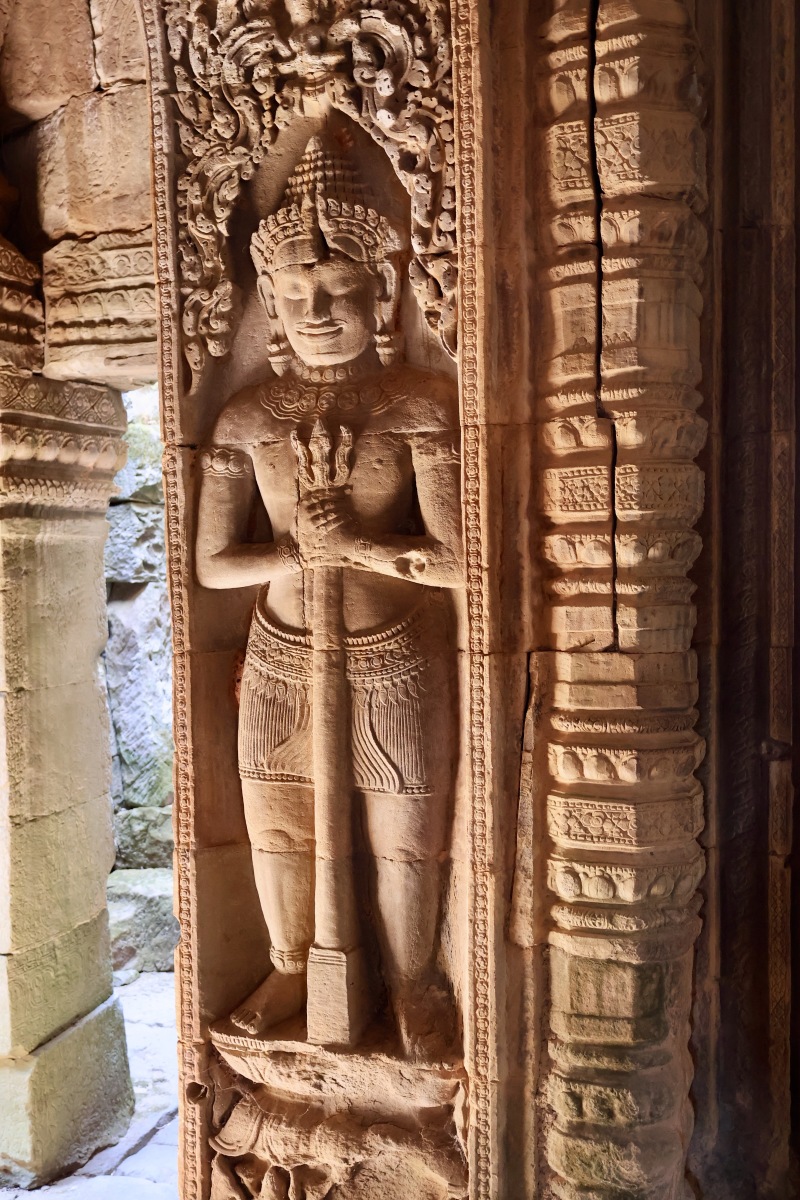
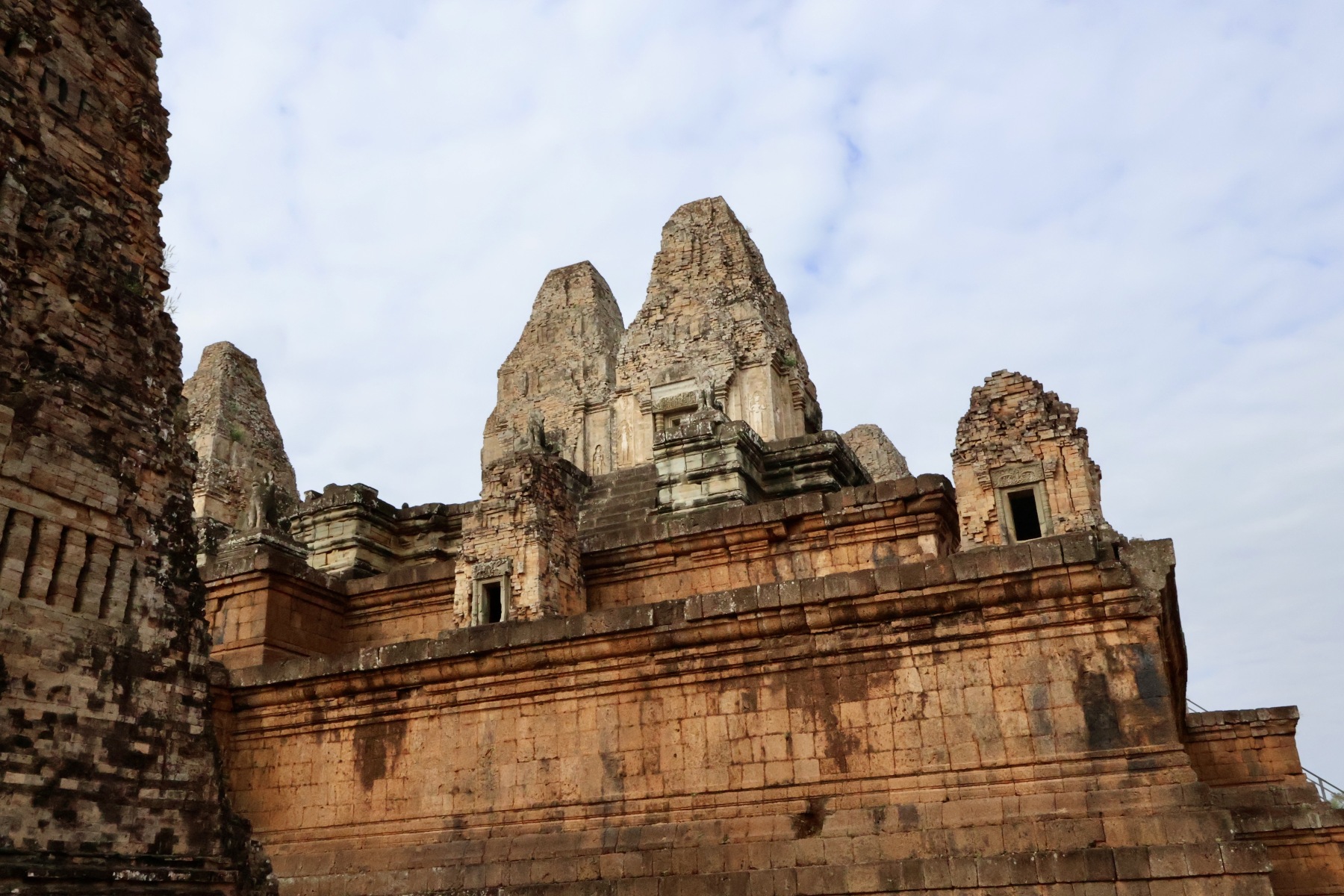
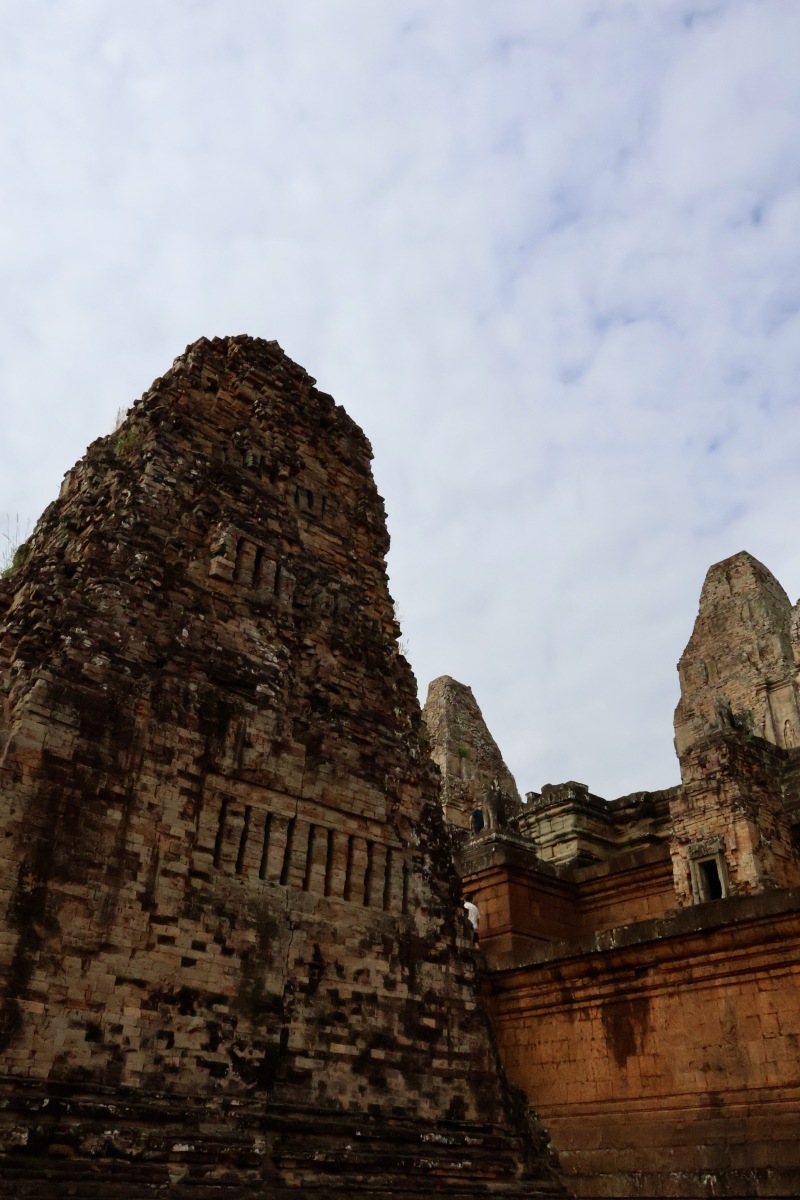
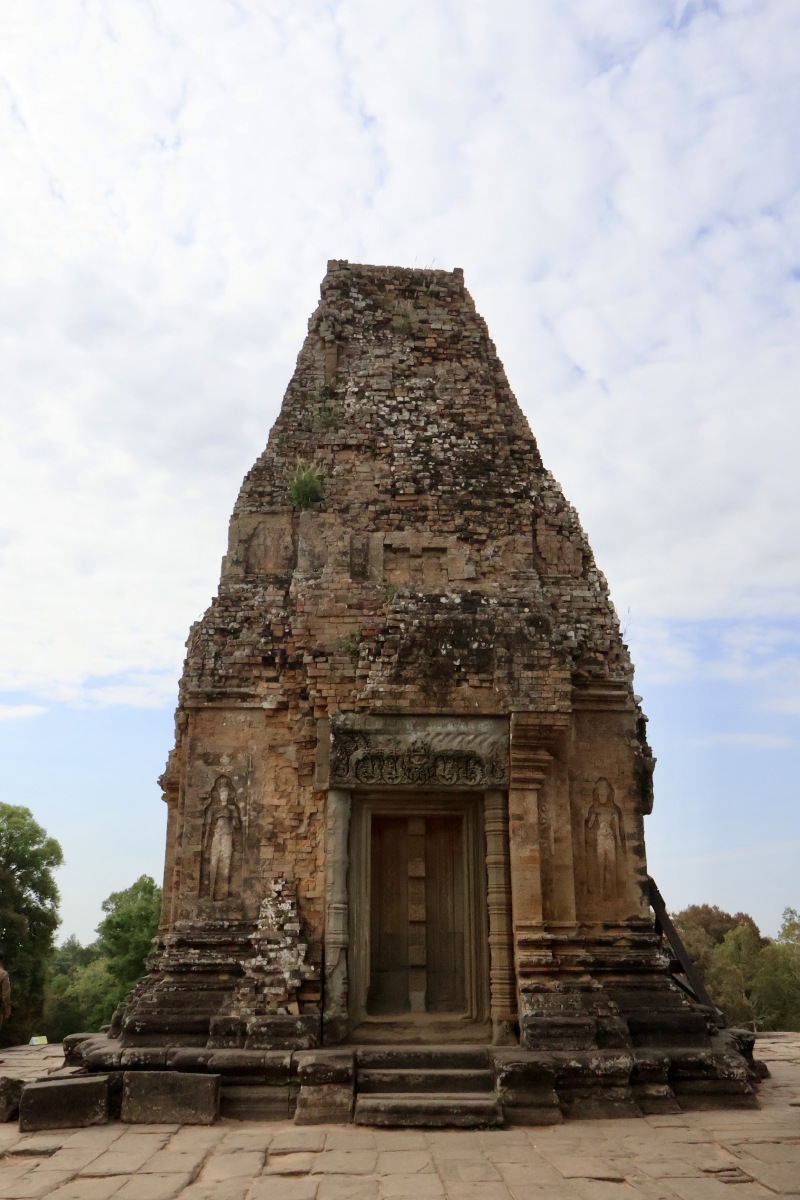
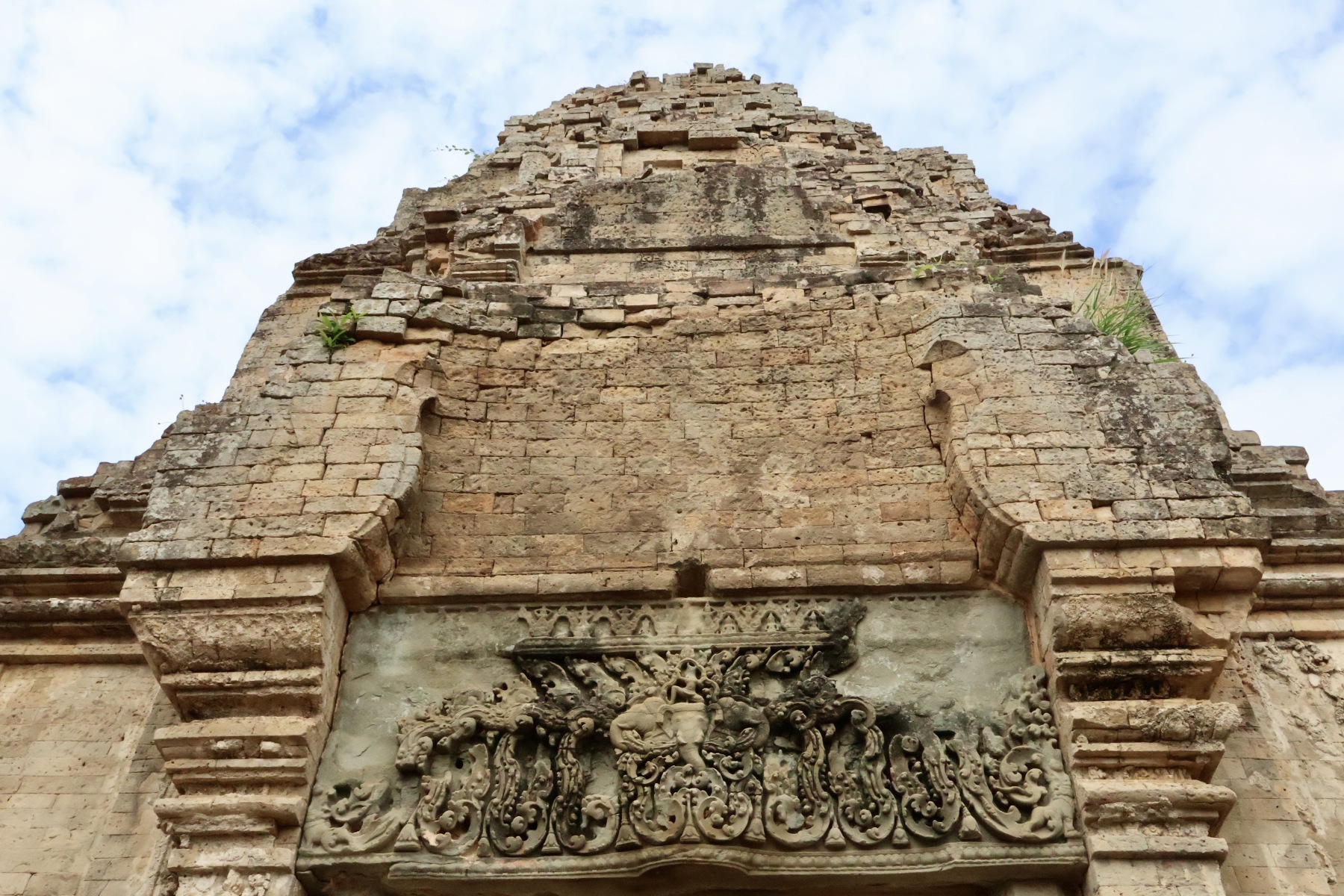
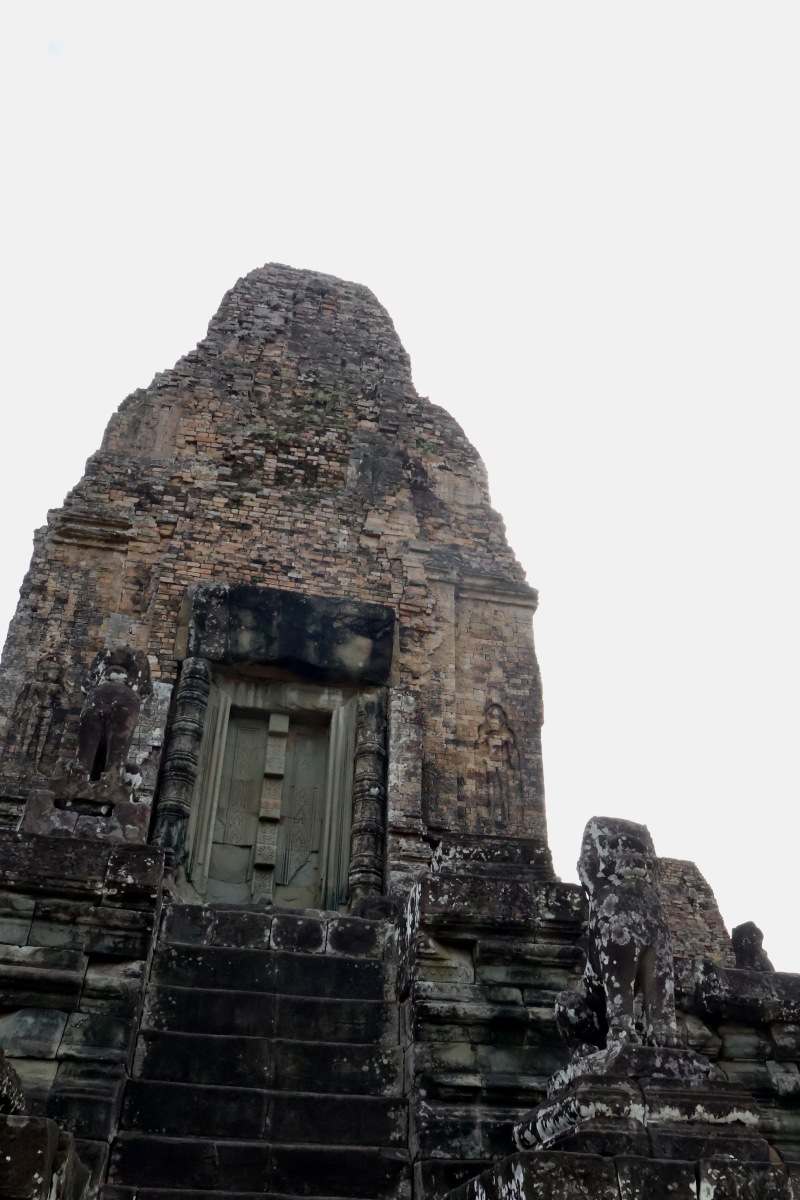
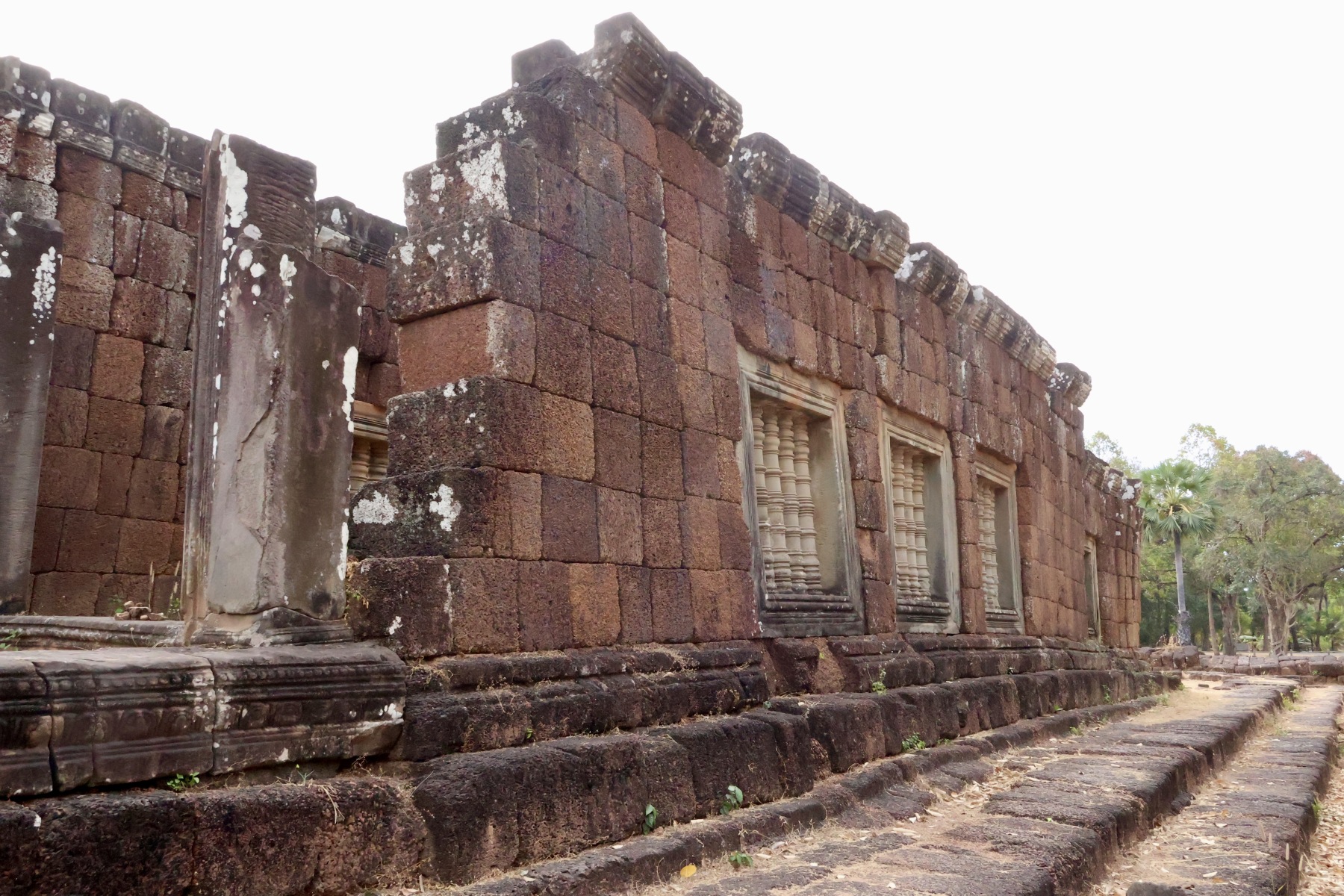
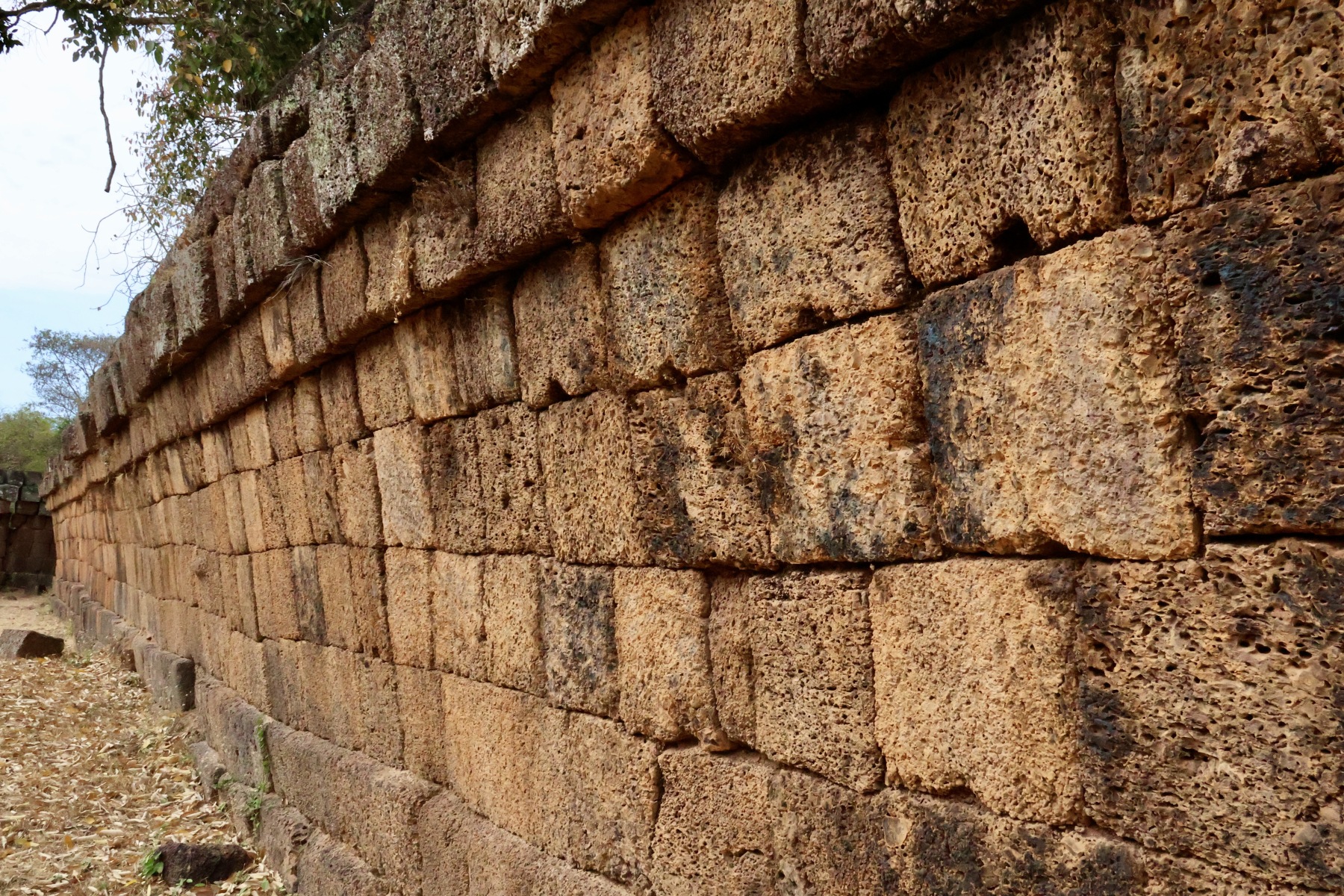
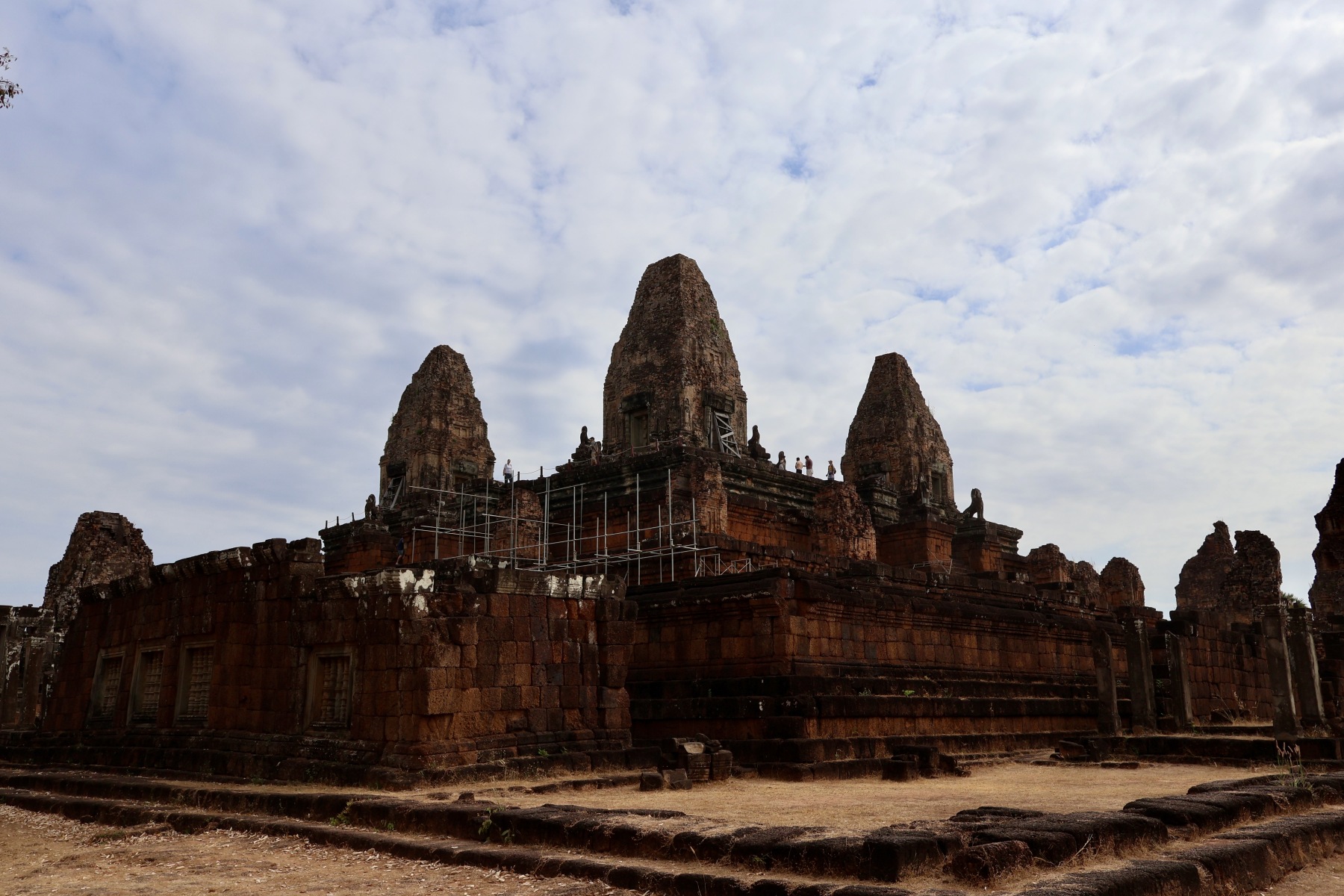
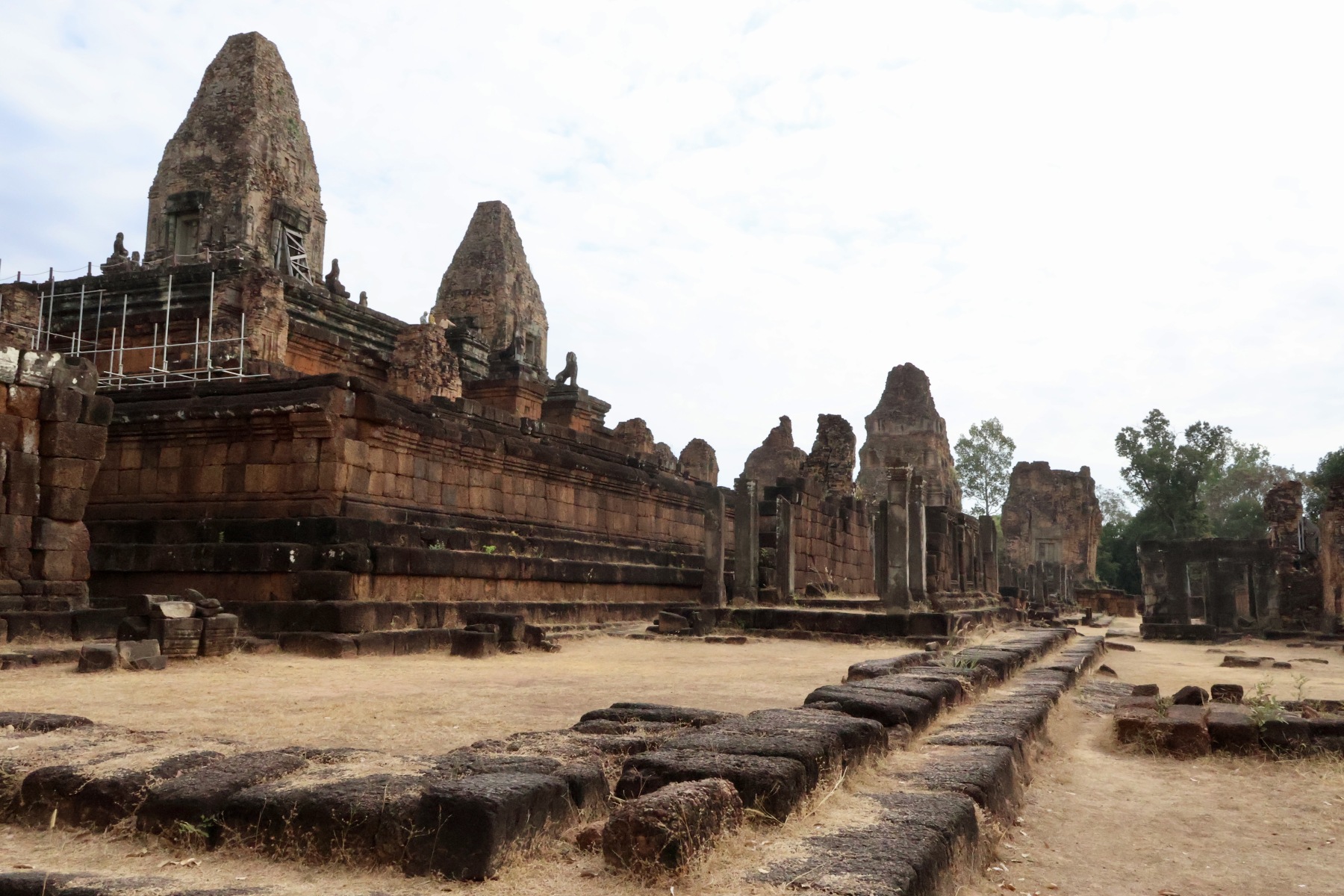
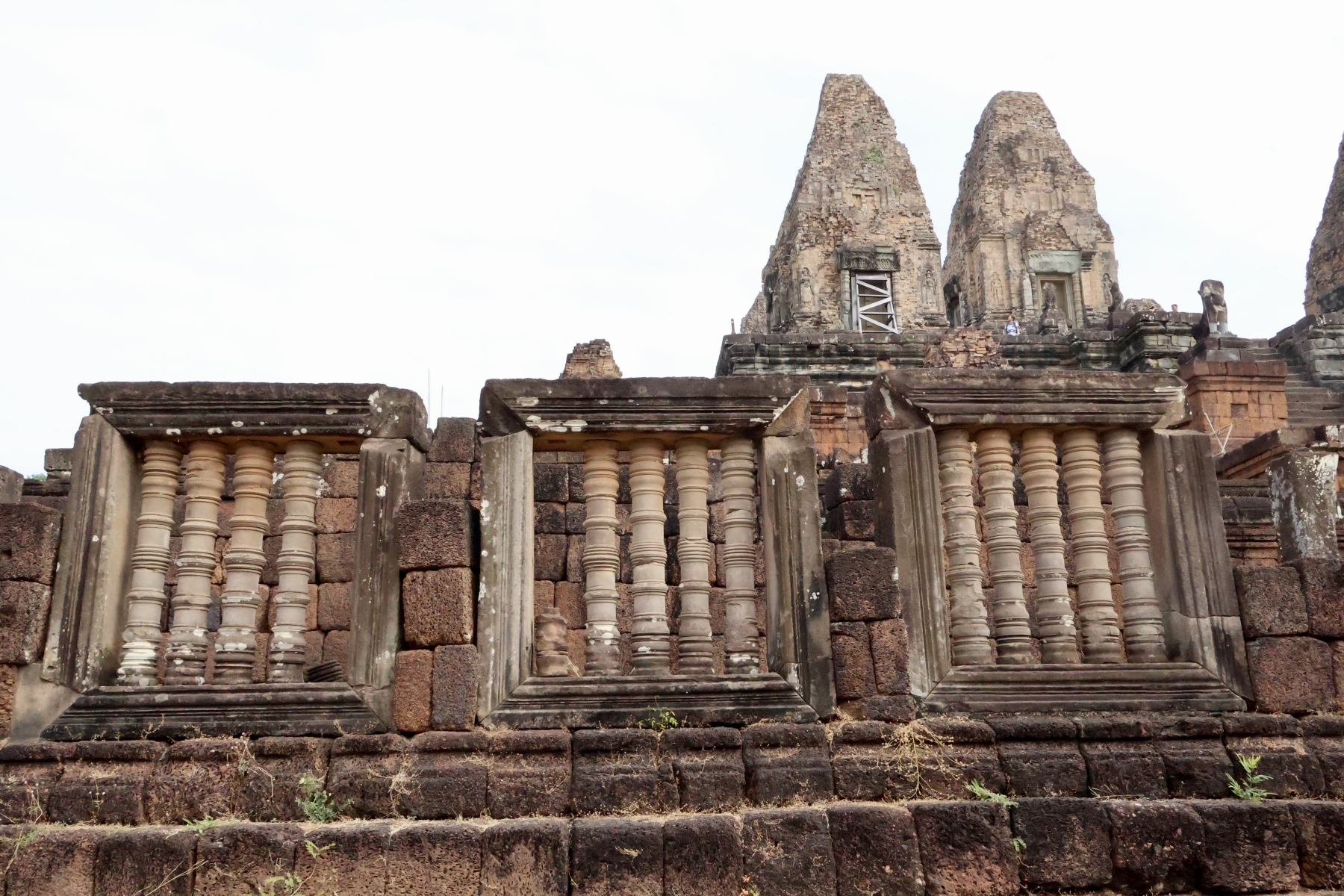
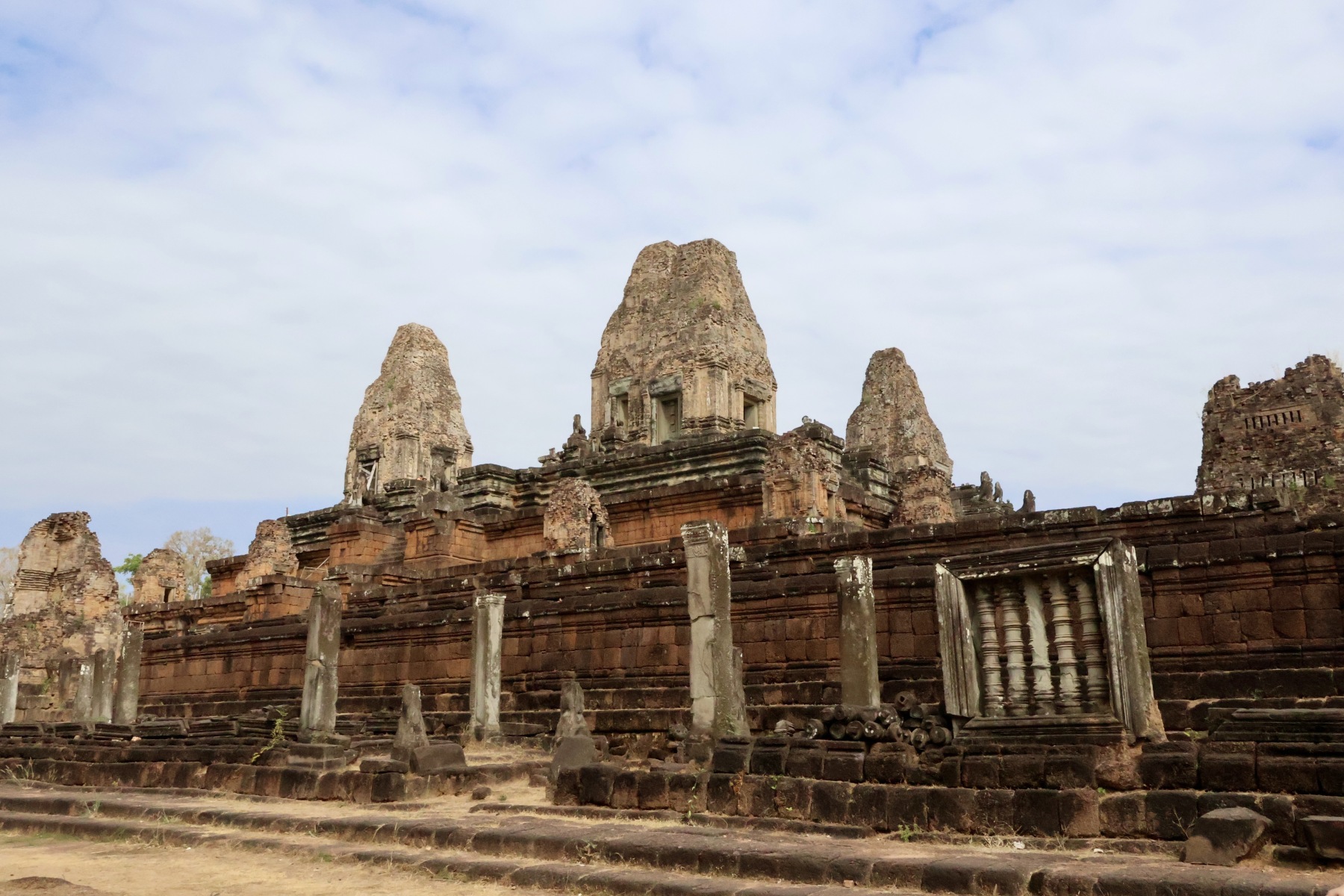
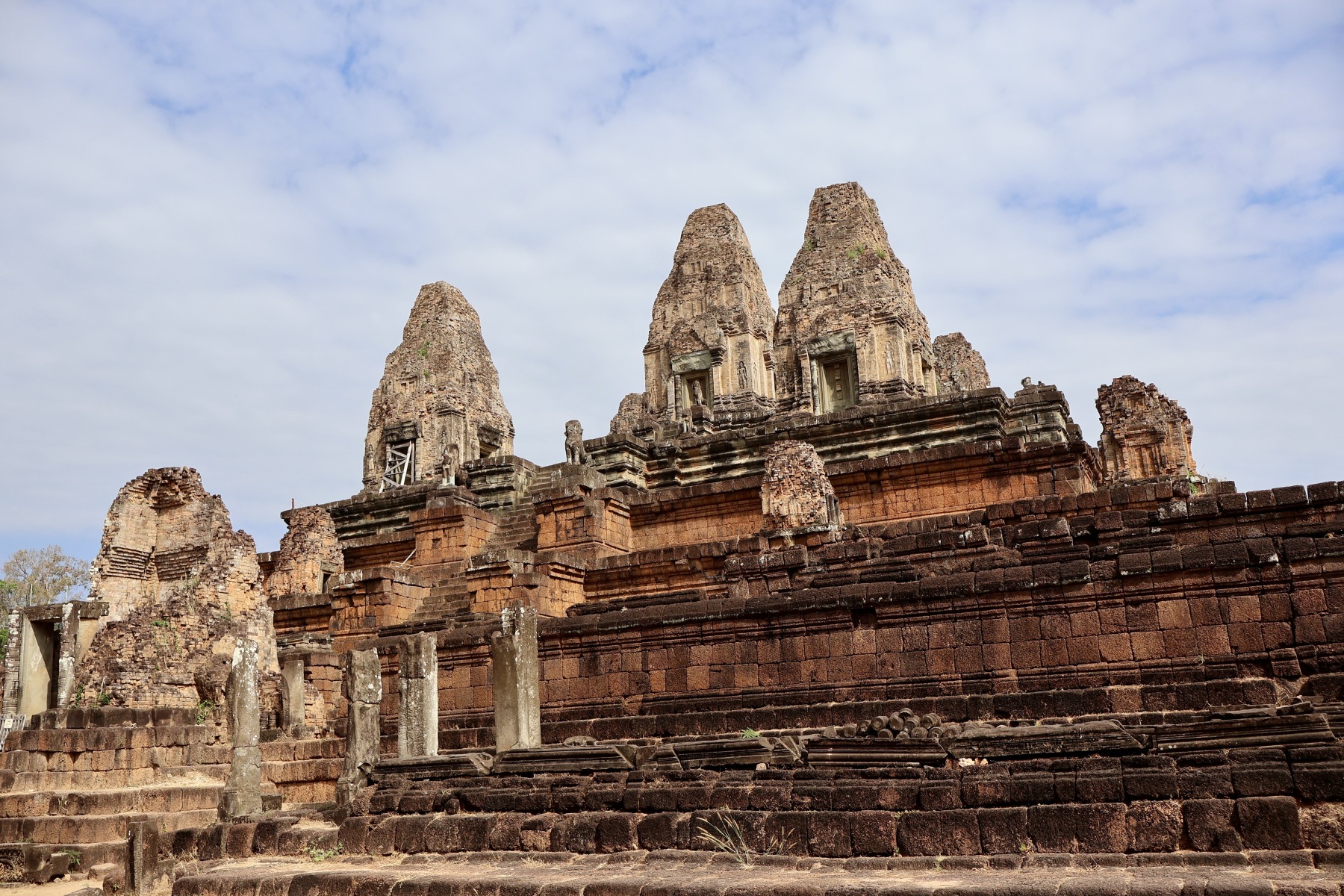
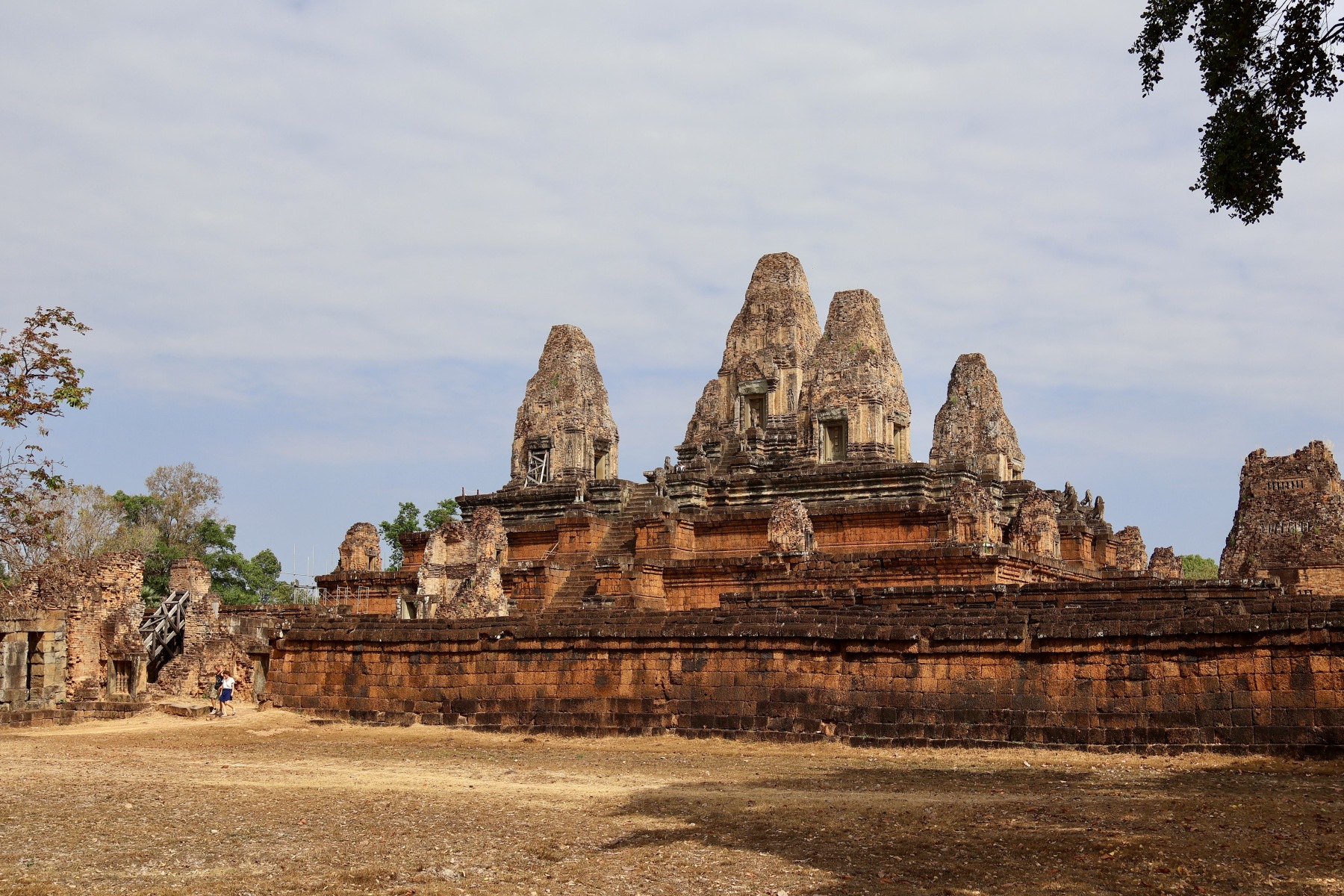
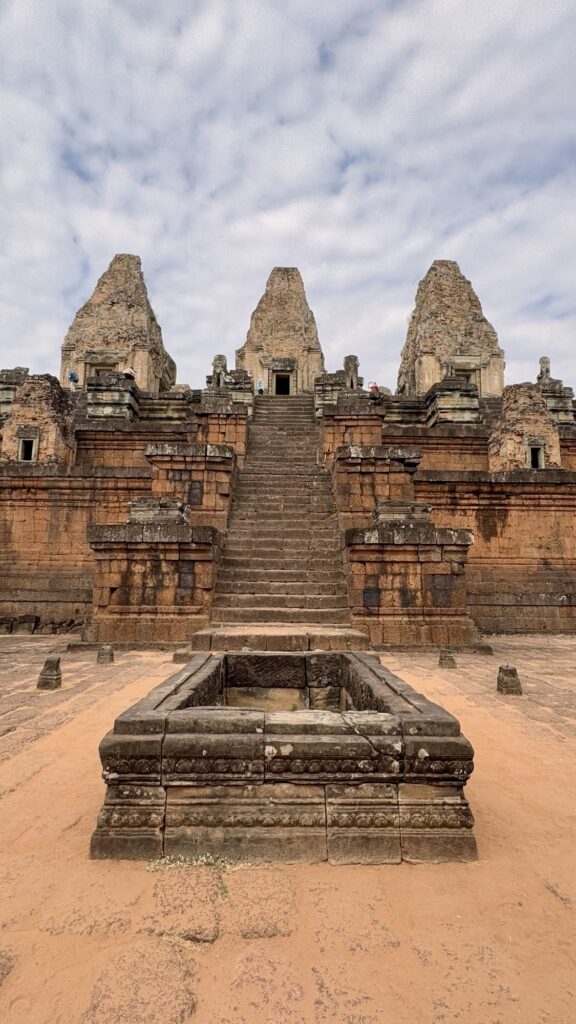
Completed 967AD by courtiers Vishnukumara and Yajnavaraha. Dedicated to both Shiva and Vishnu.
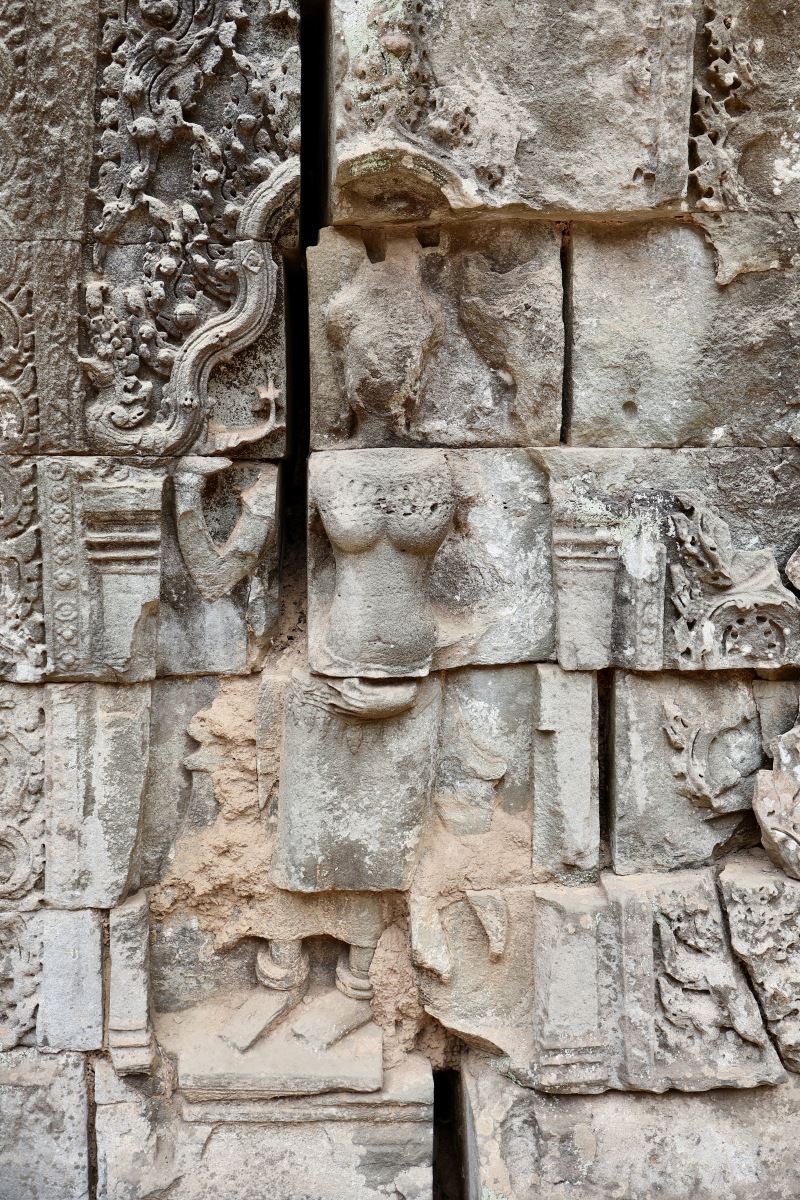
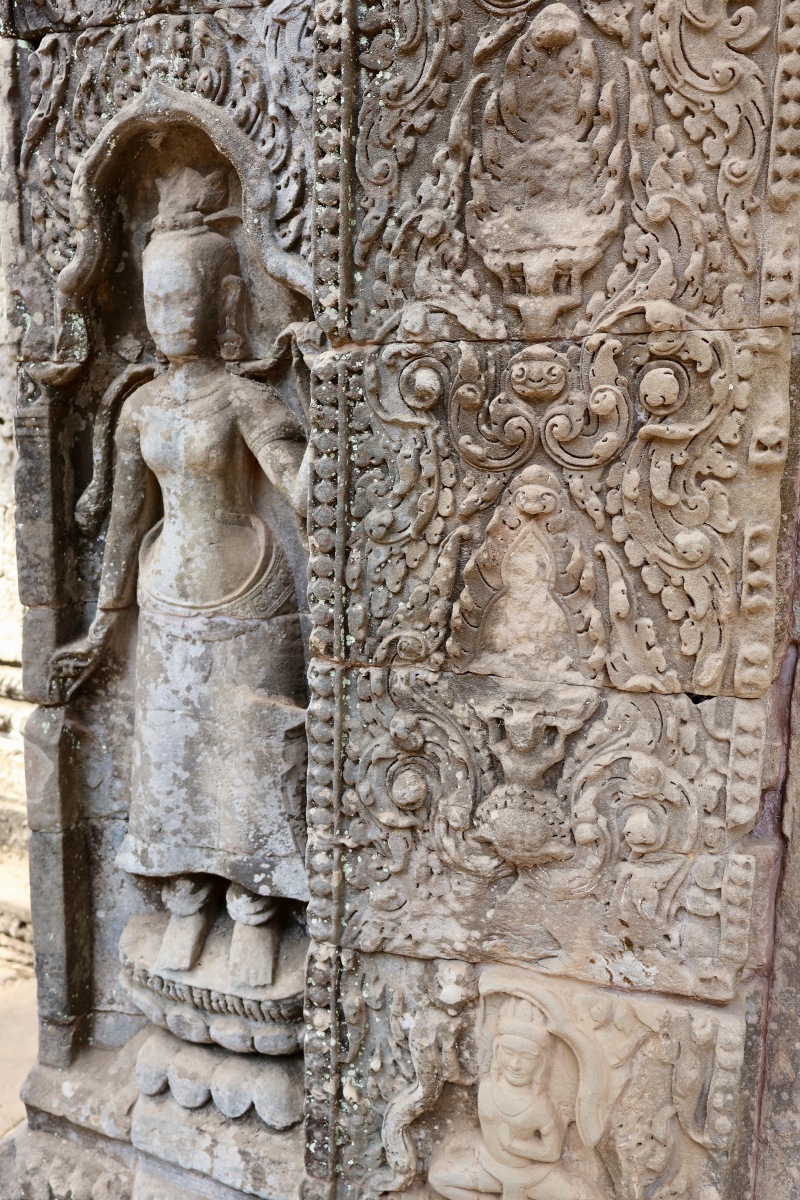
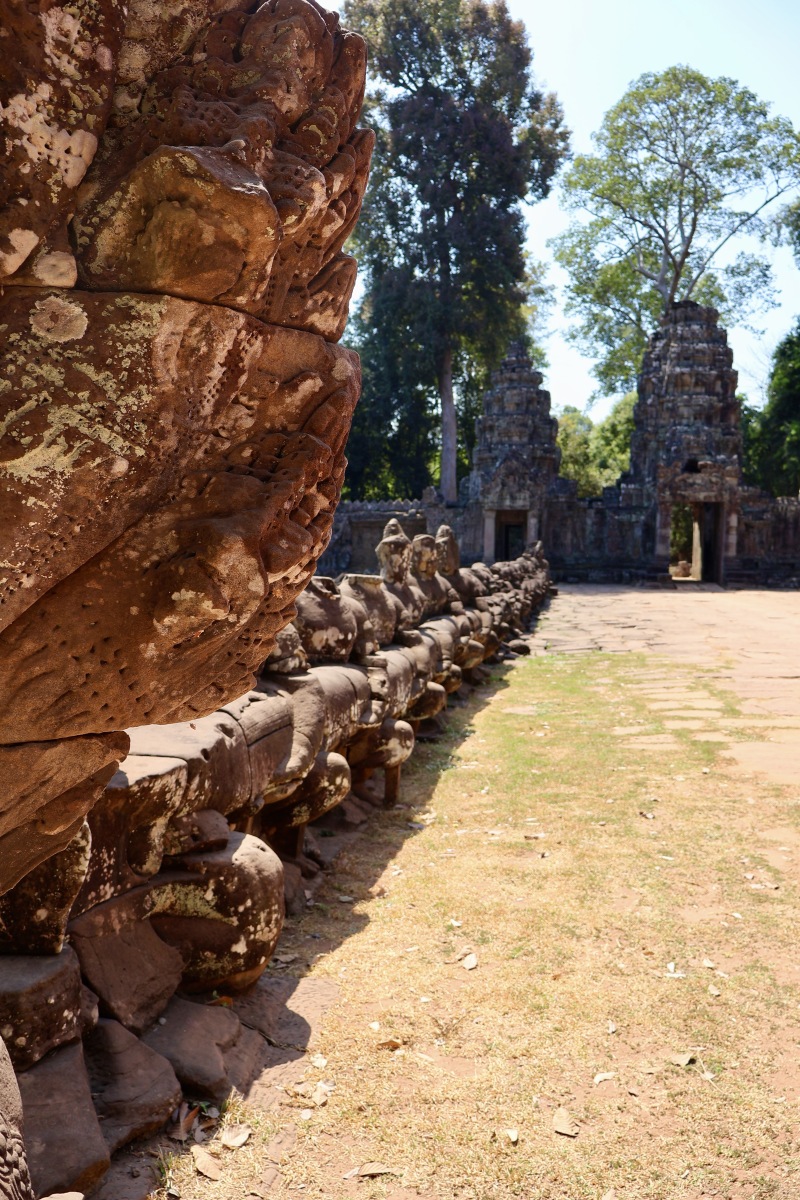
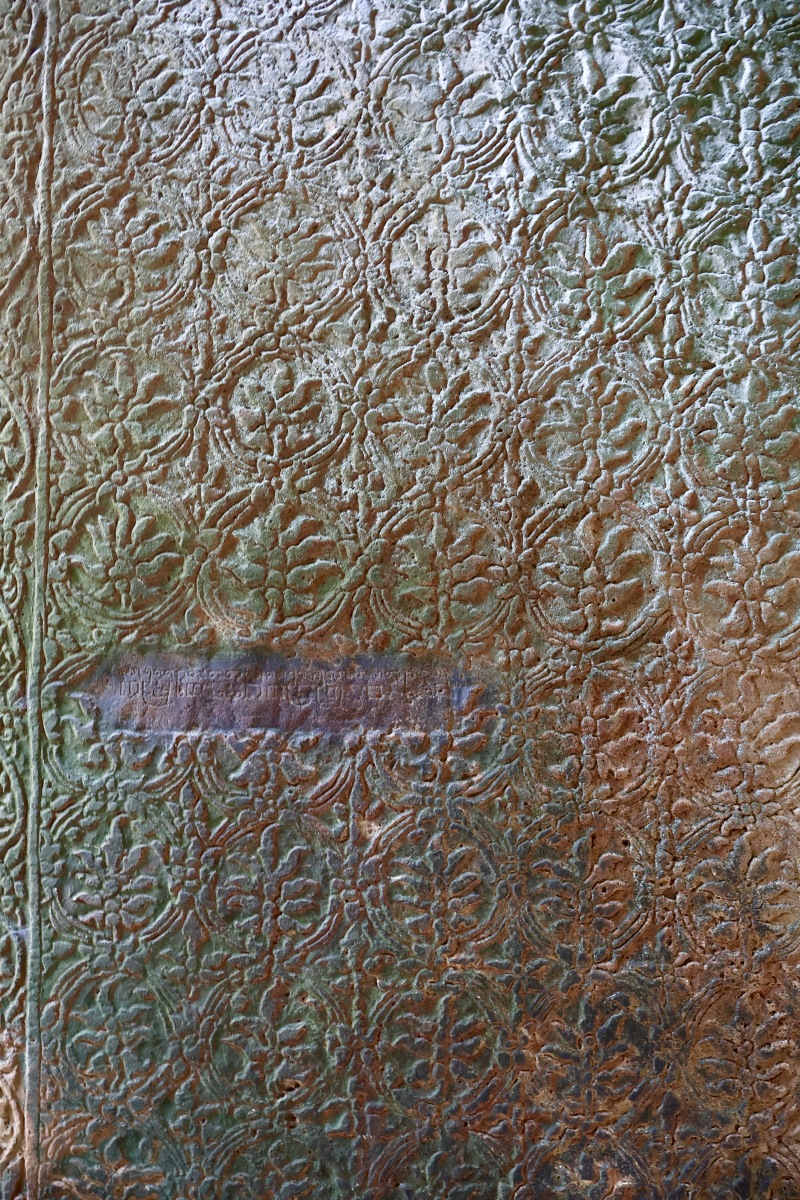
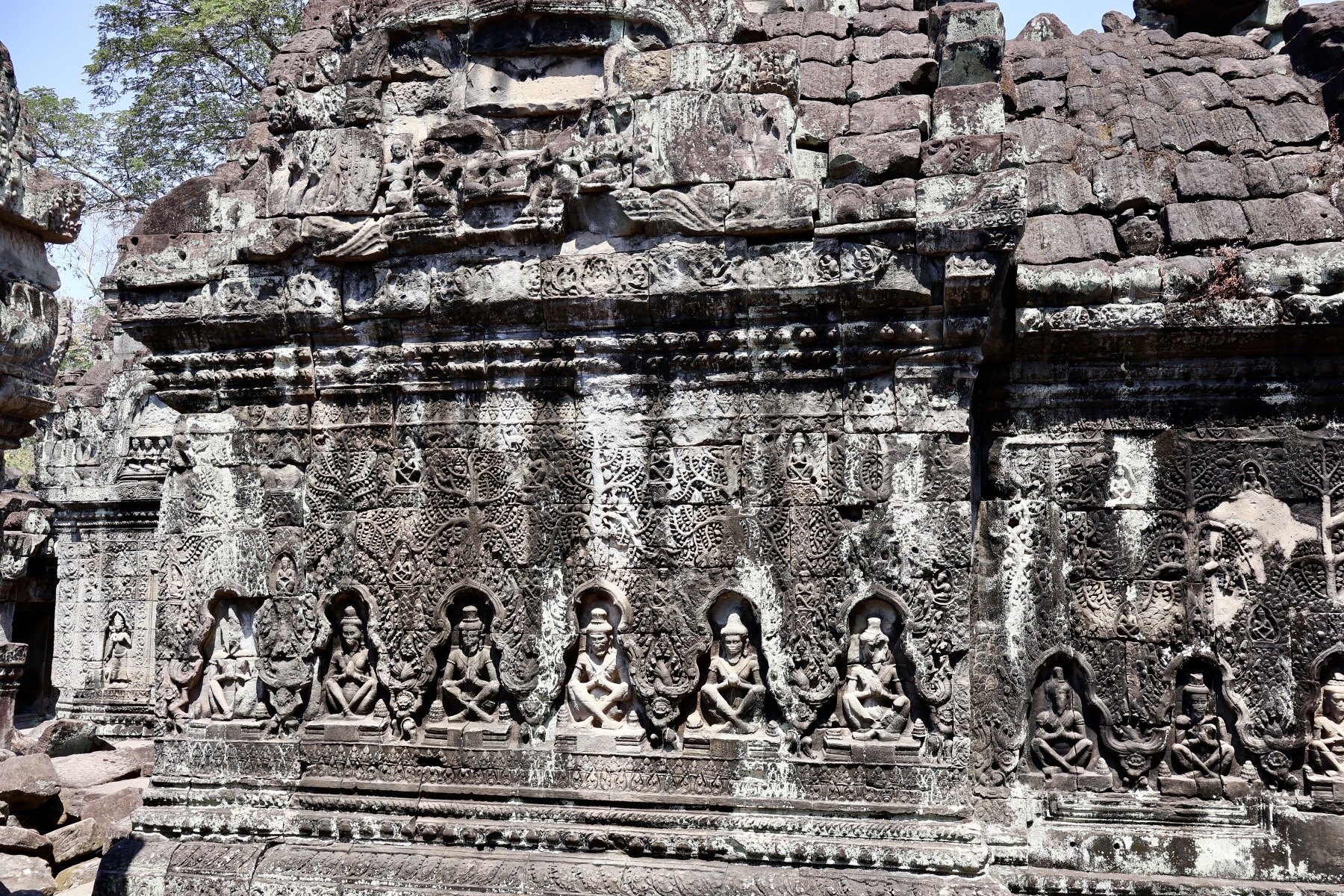
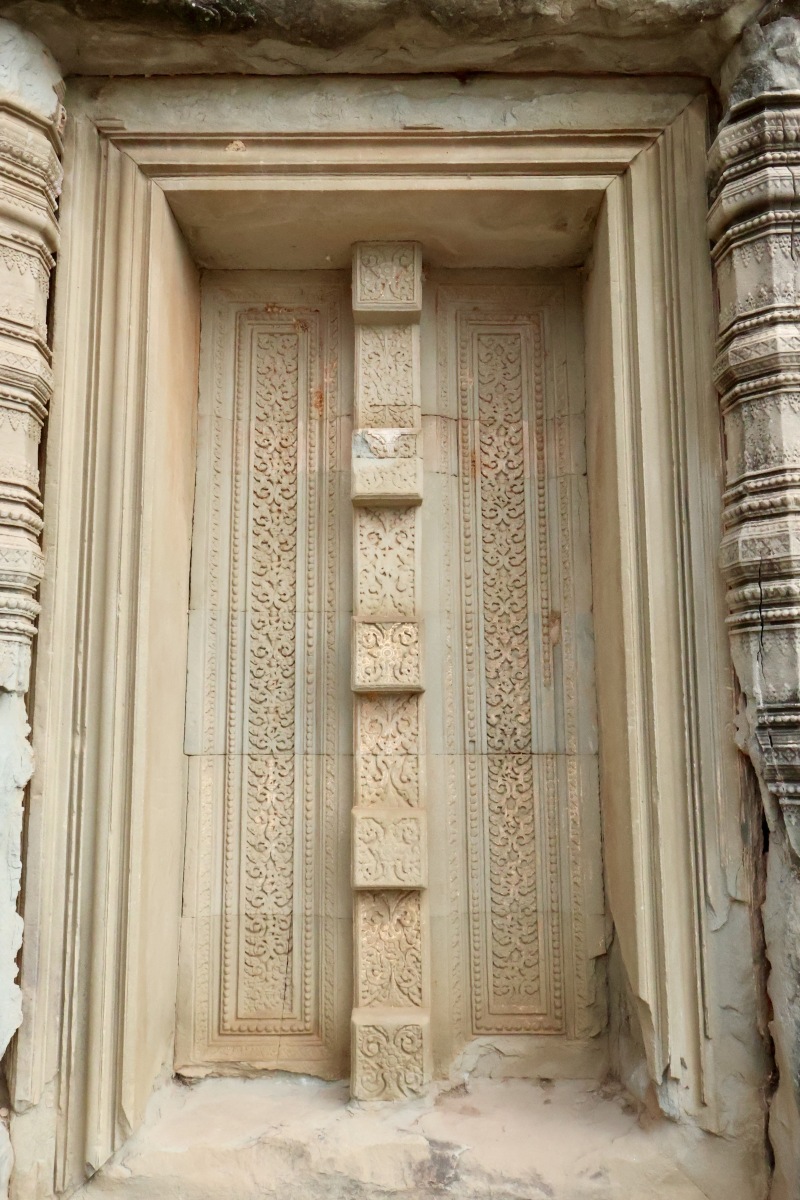
Unusually for Angkor temples, this is constructed of red sandstone which is easily carved and hence has intricate decoration.
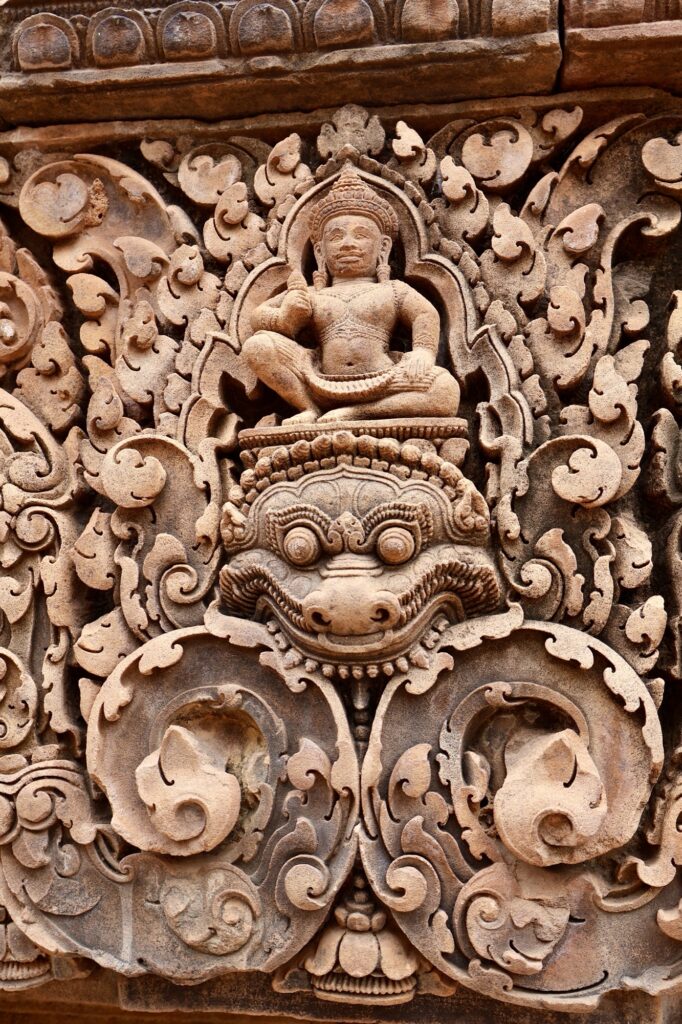
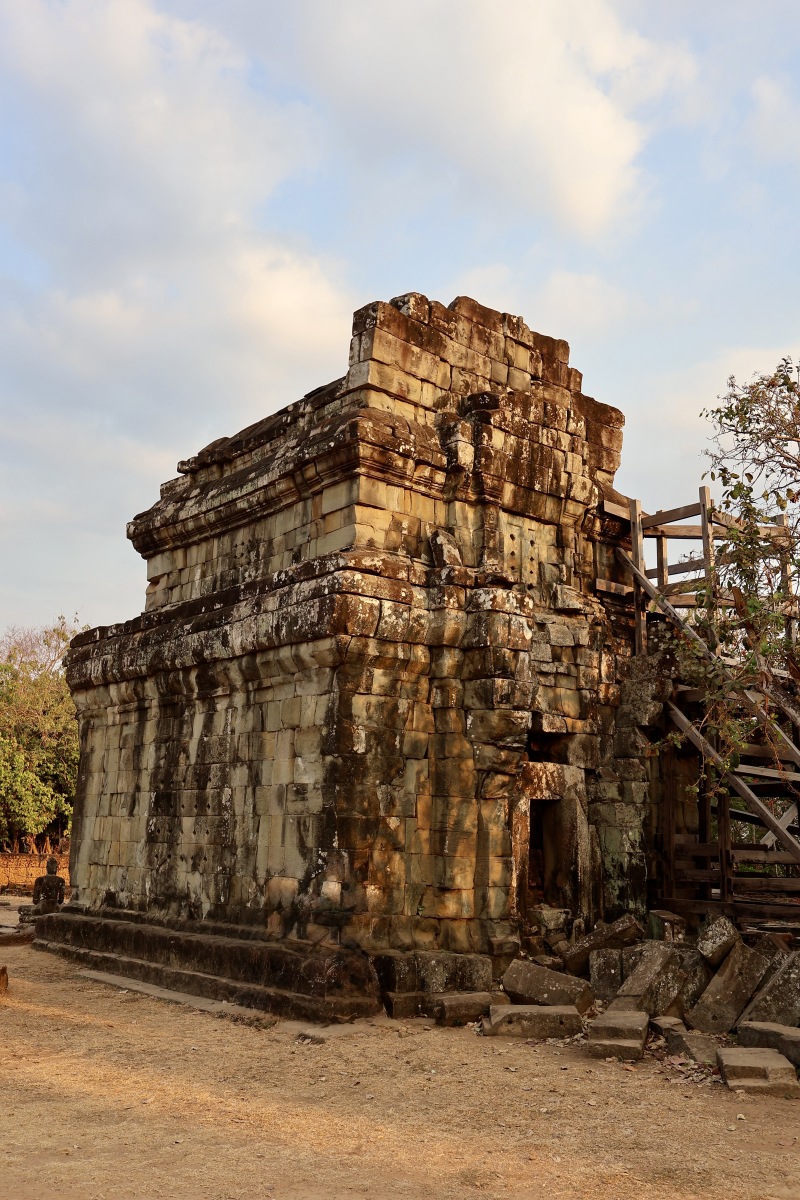
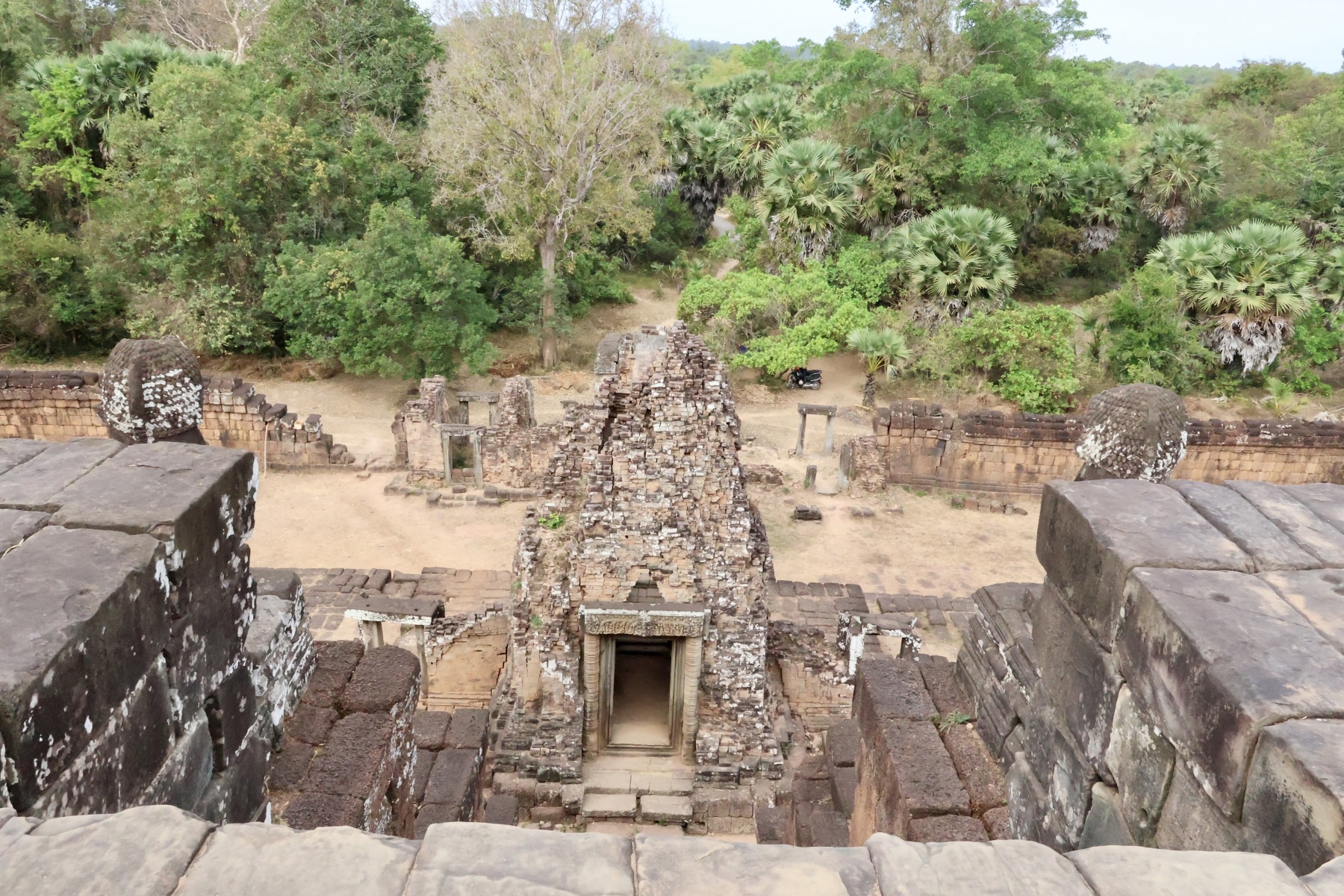
Completed 889–910 AD by Yasovarman I. Dedicated to Shiva.
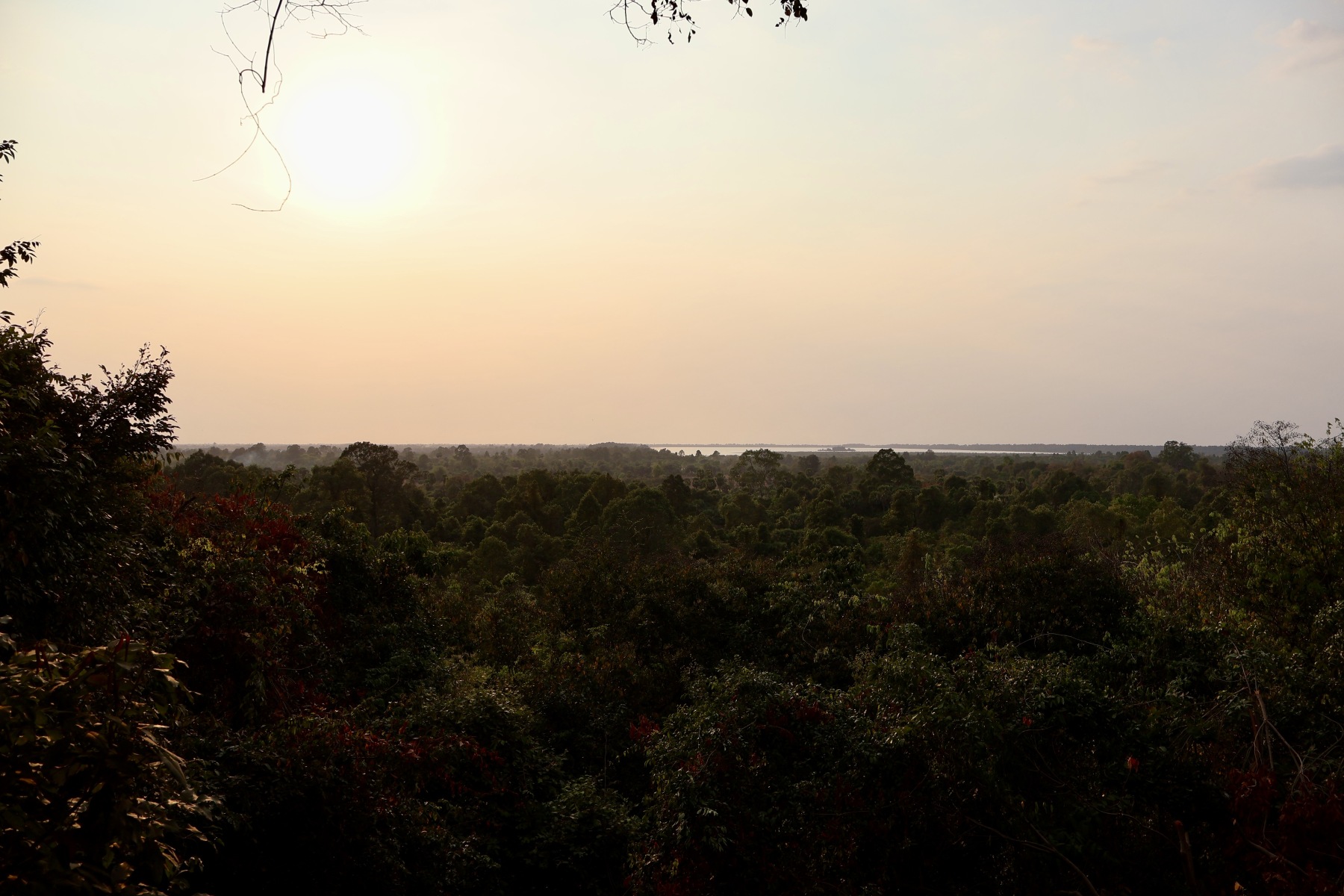
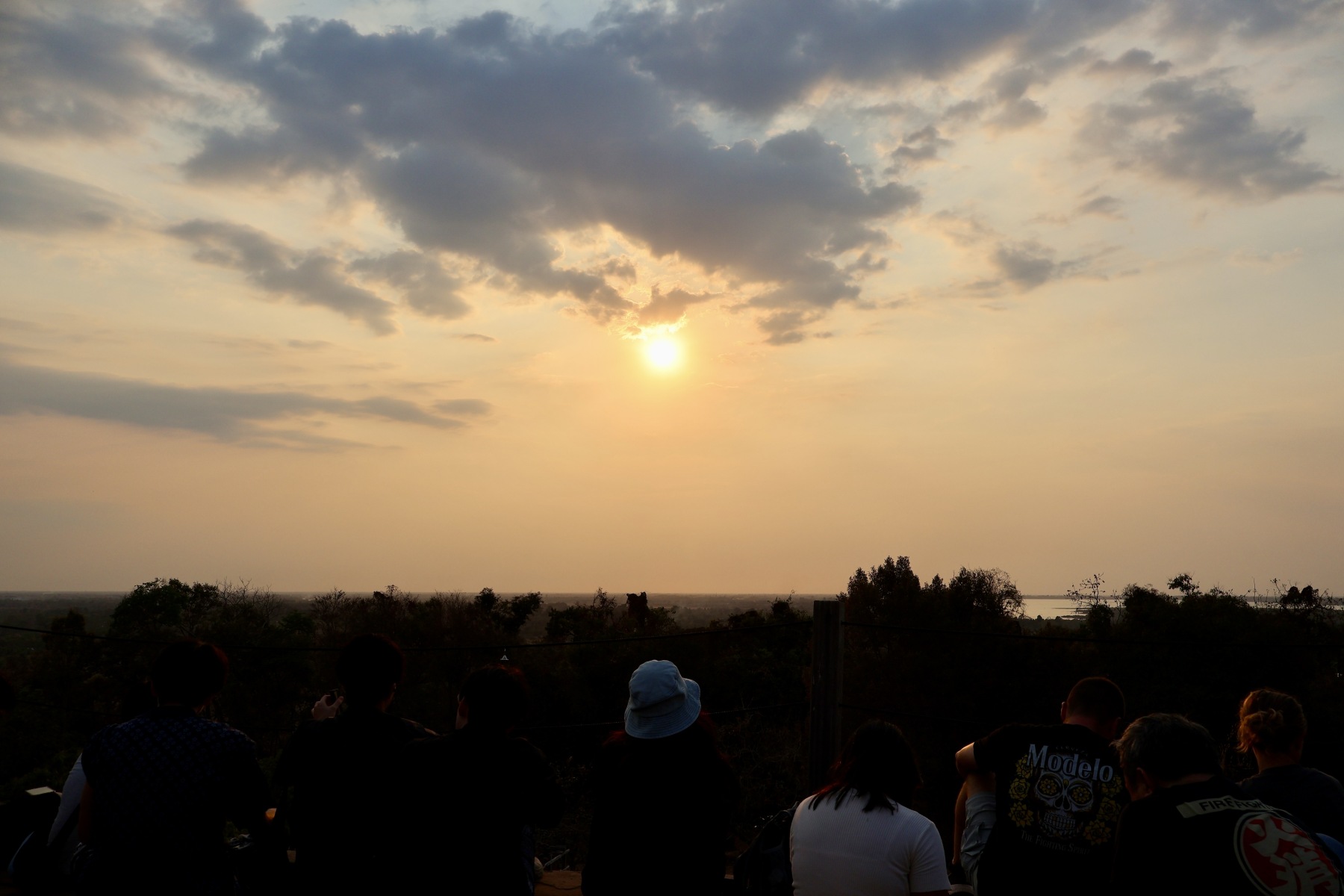
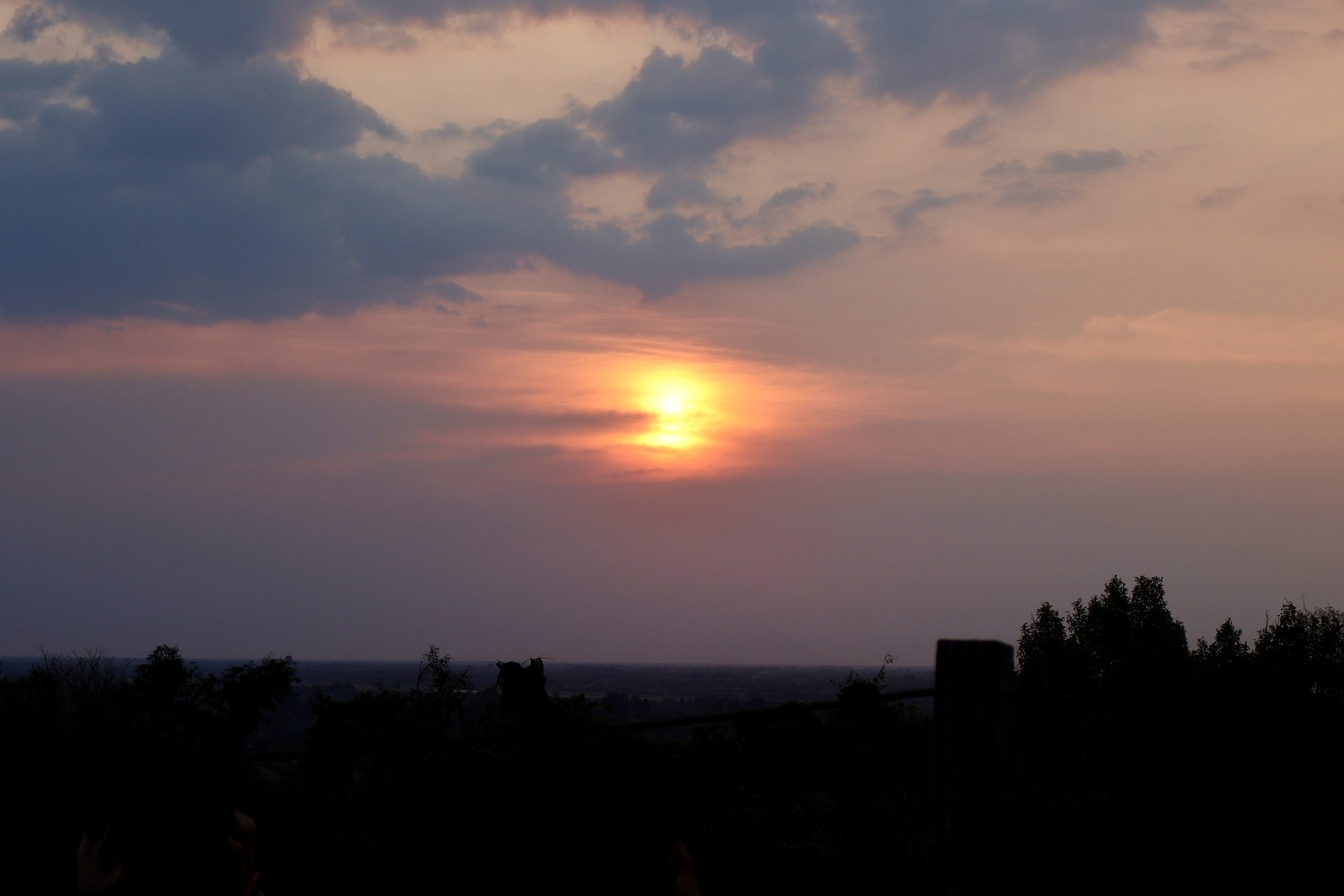
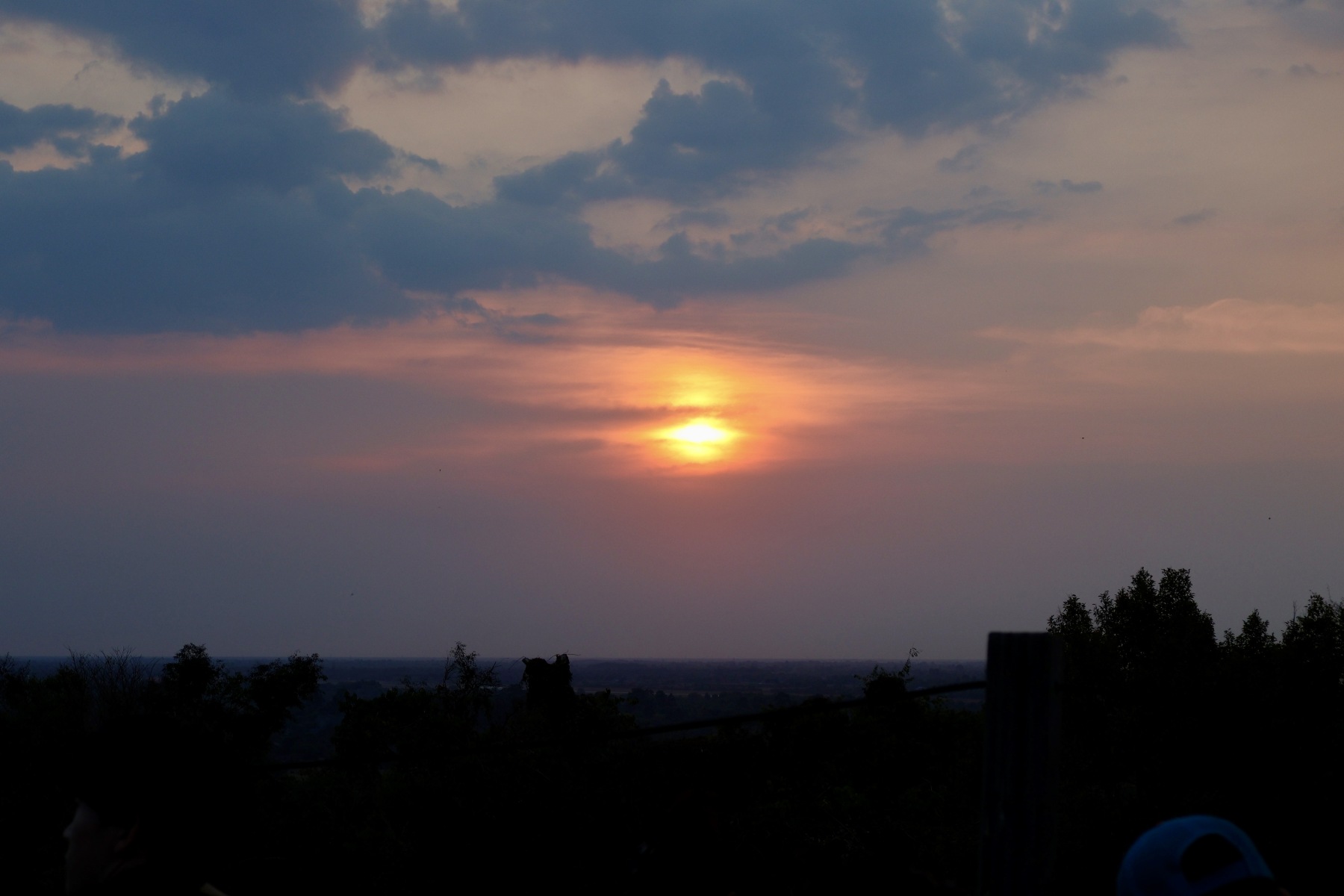
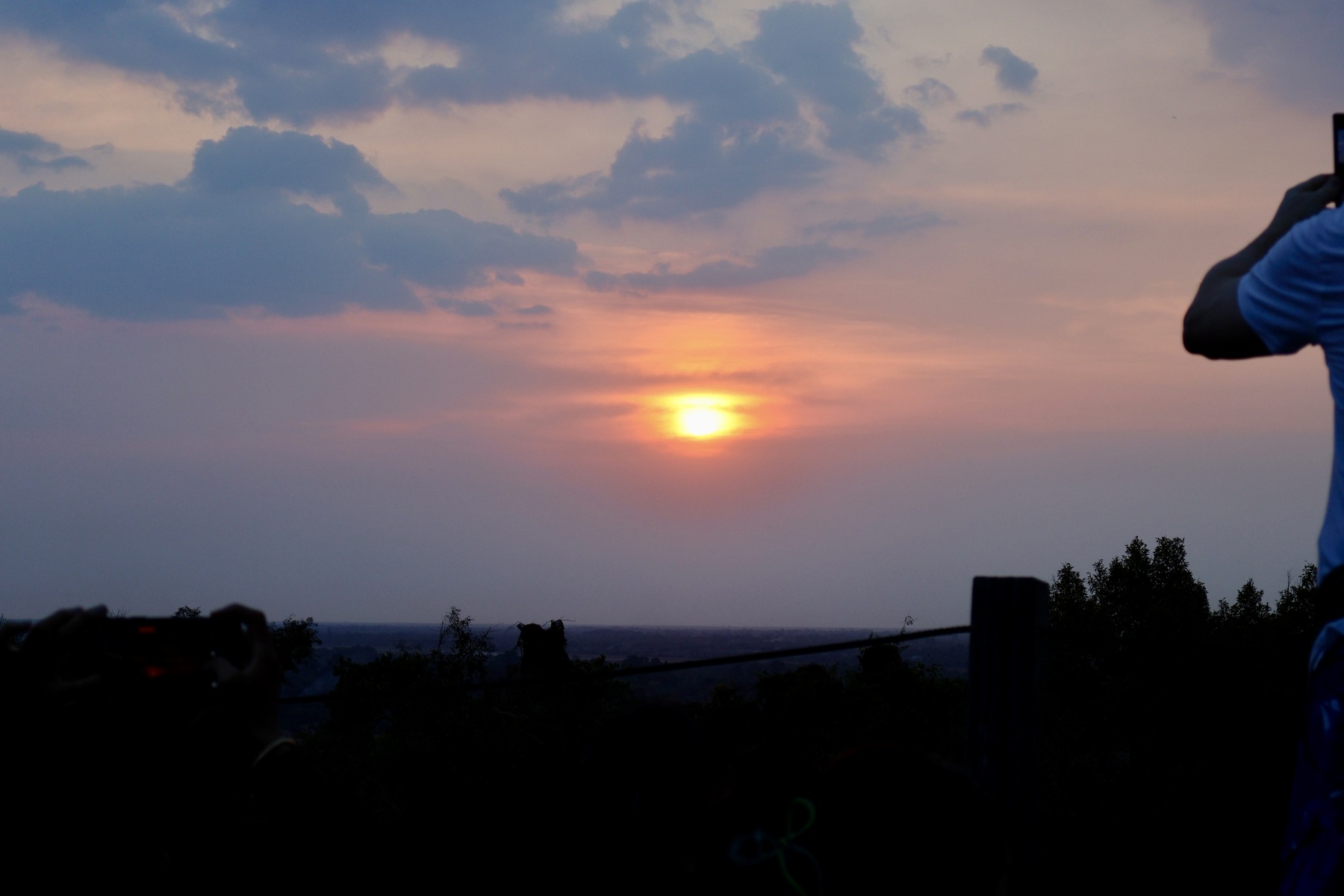
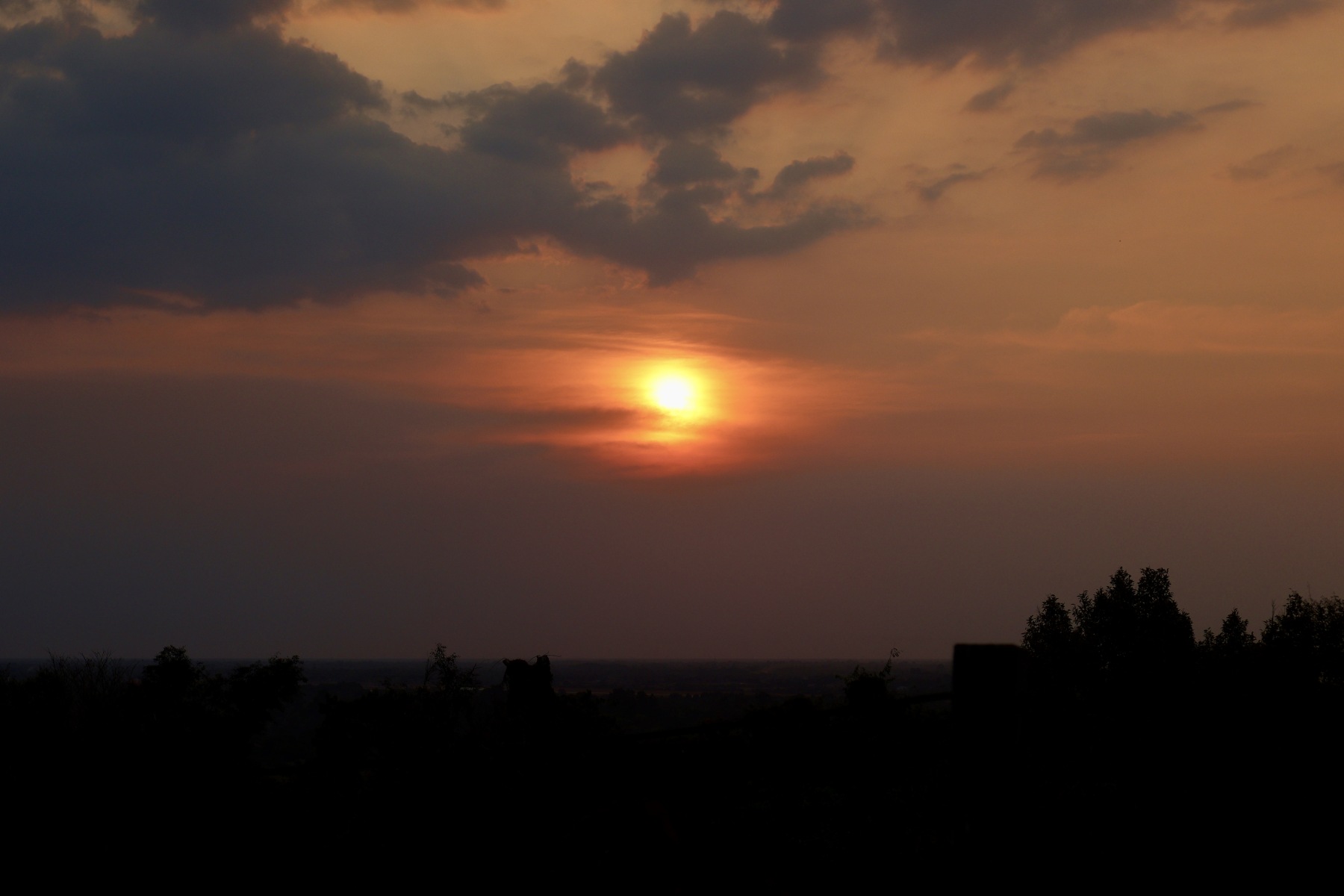
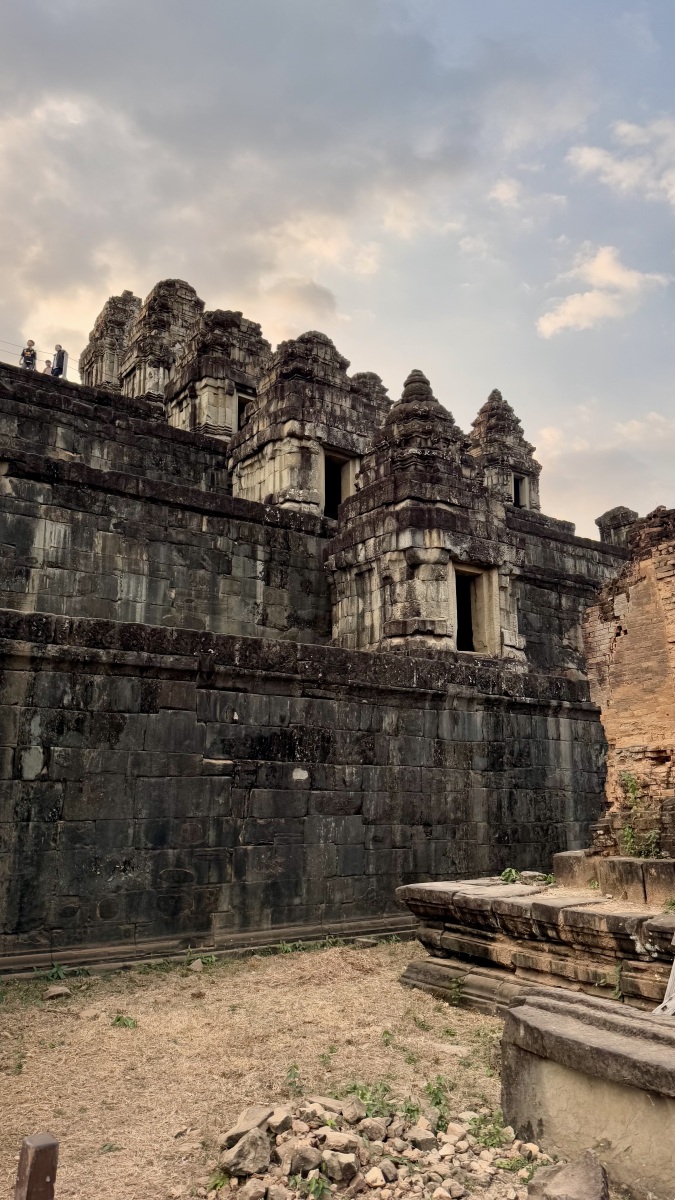
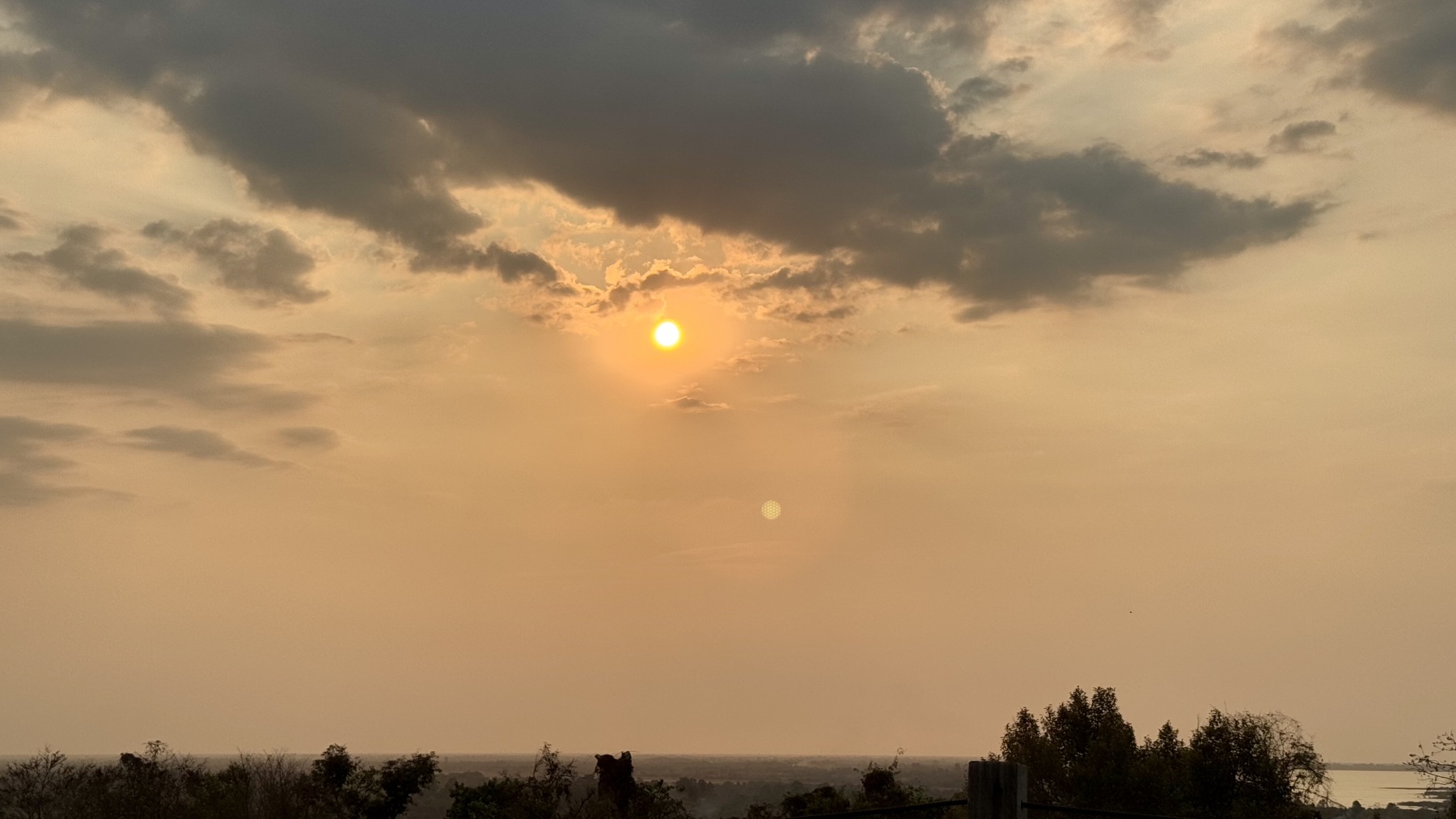
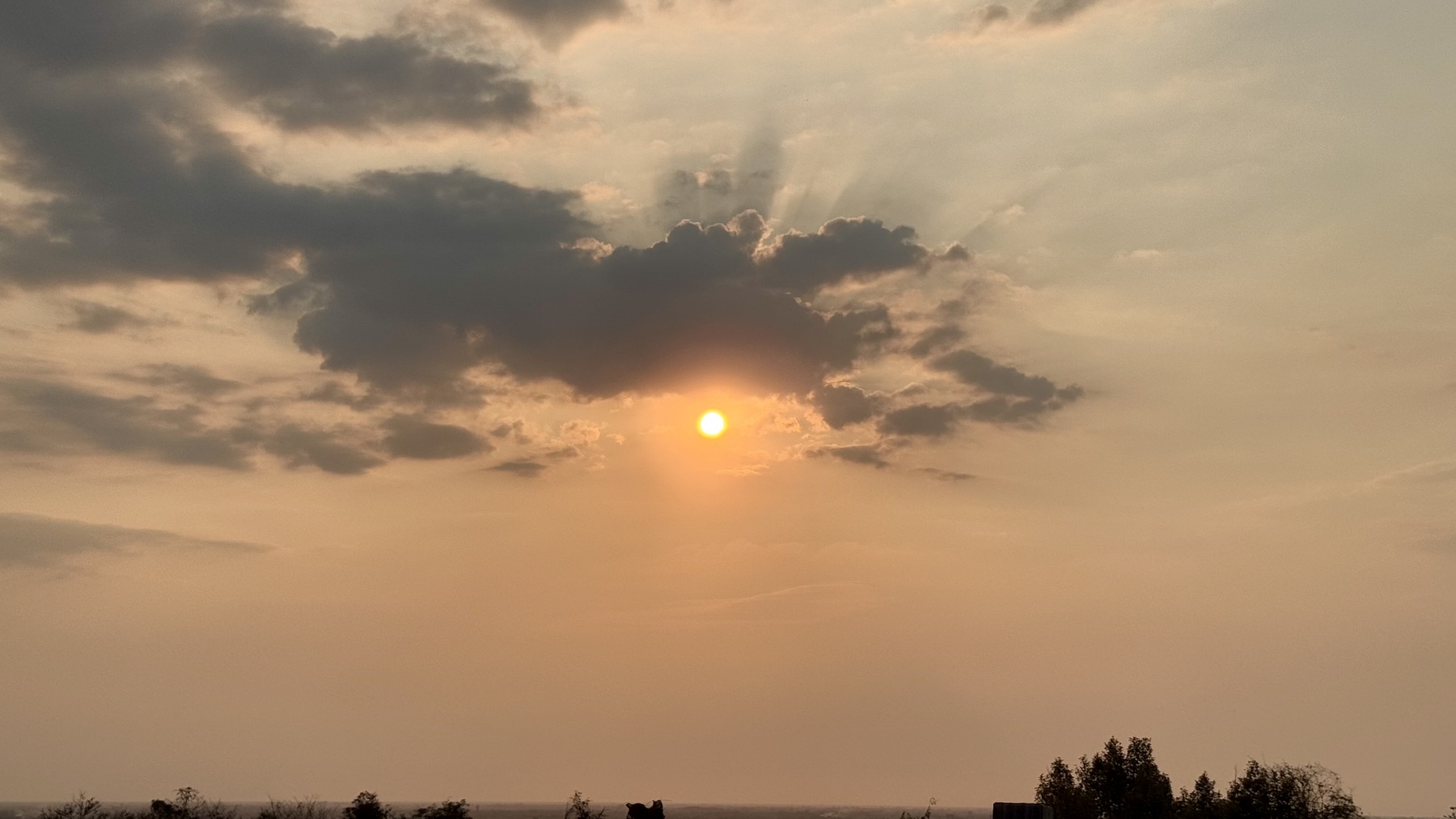
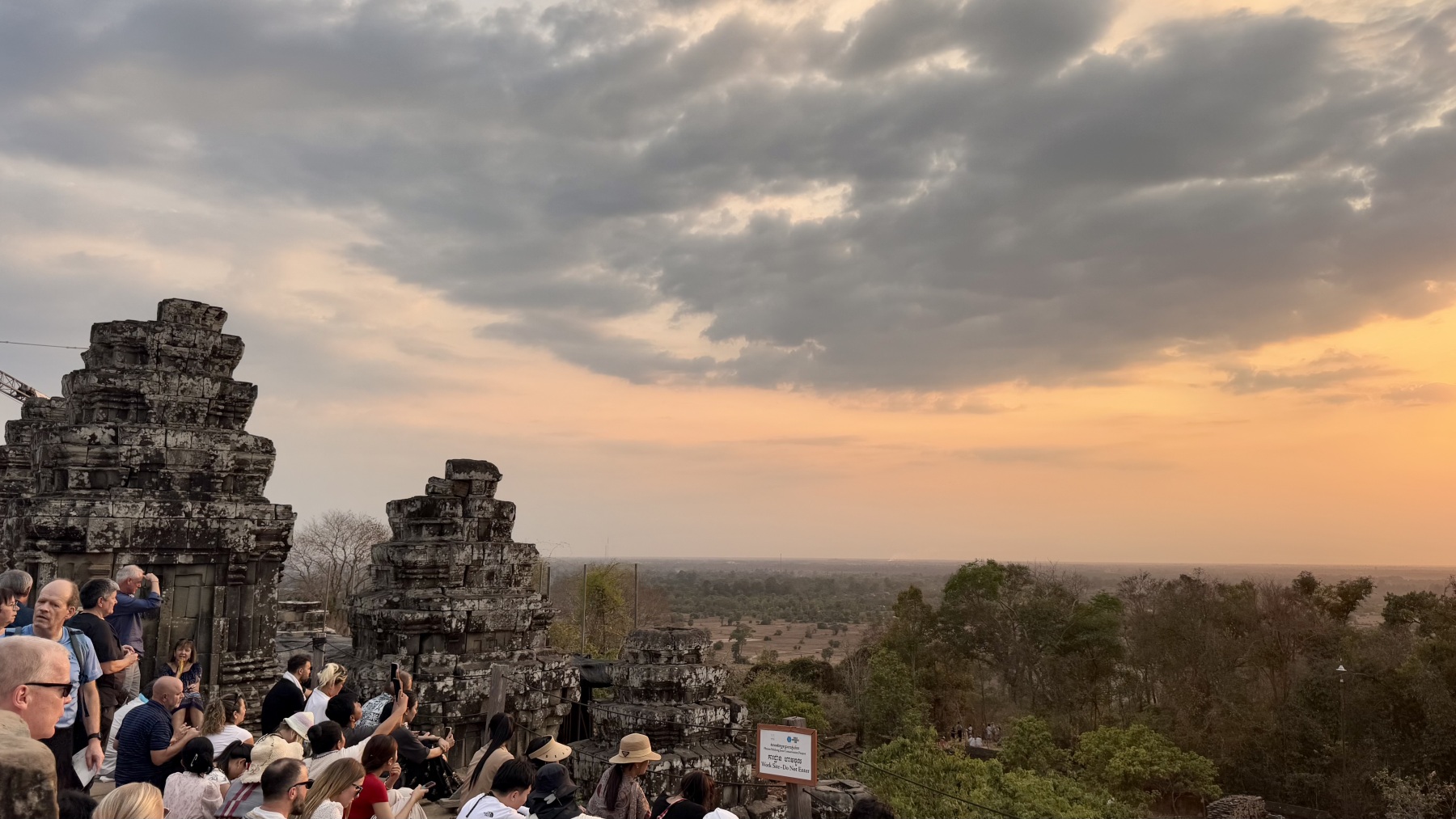
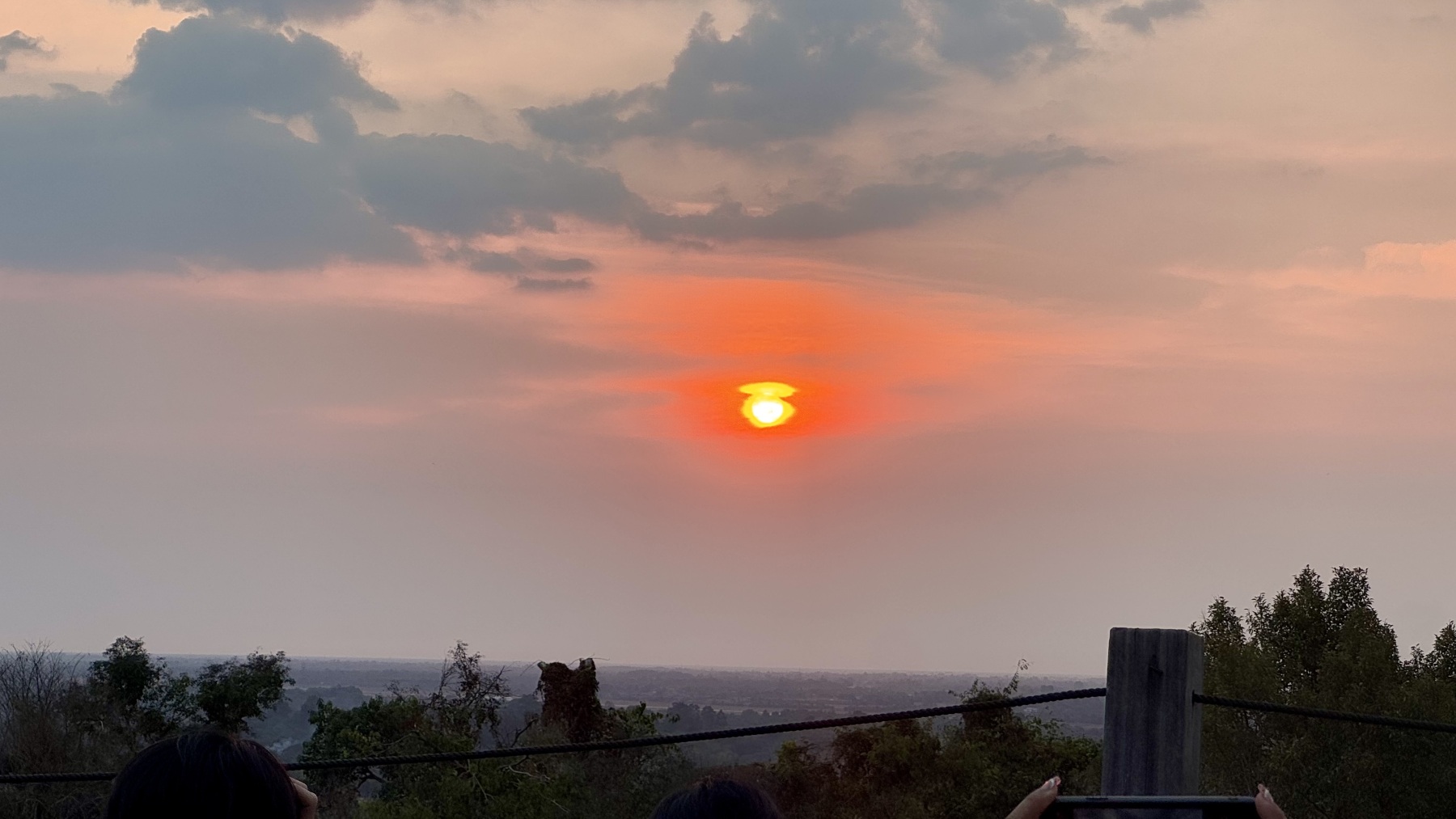
Raised high on a hill, symbolising Mount Meru, home of the Hindu gods, this is perhaps the second most-popular site for watching sunsets in Angkor.
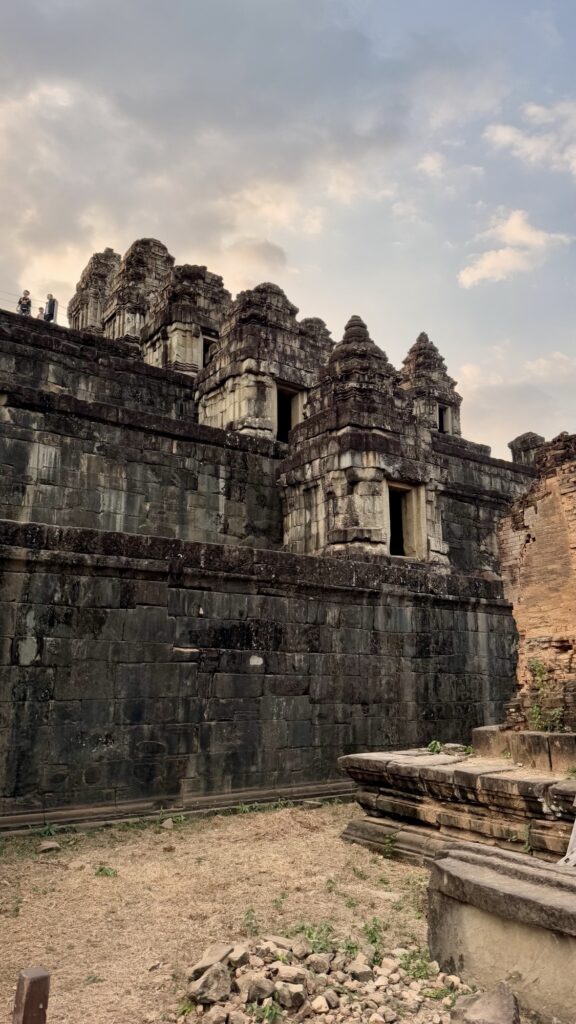
Completed 1150 AD by Suryavarman II. Dedicated to Vishnu, the Hindu God of Preservation.
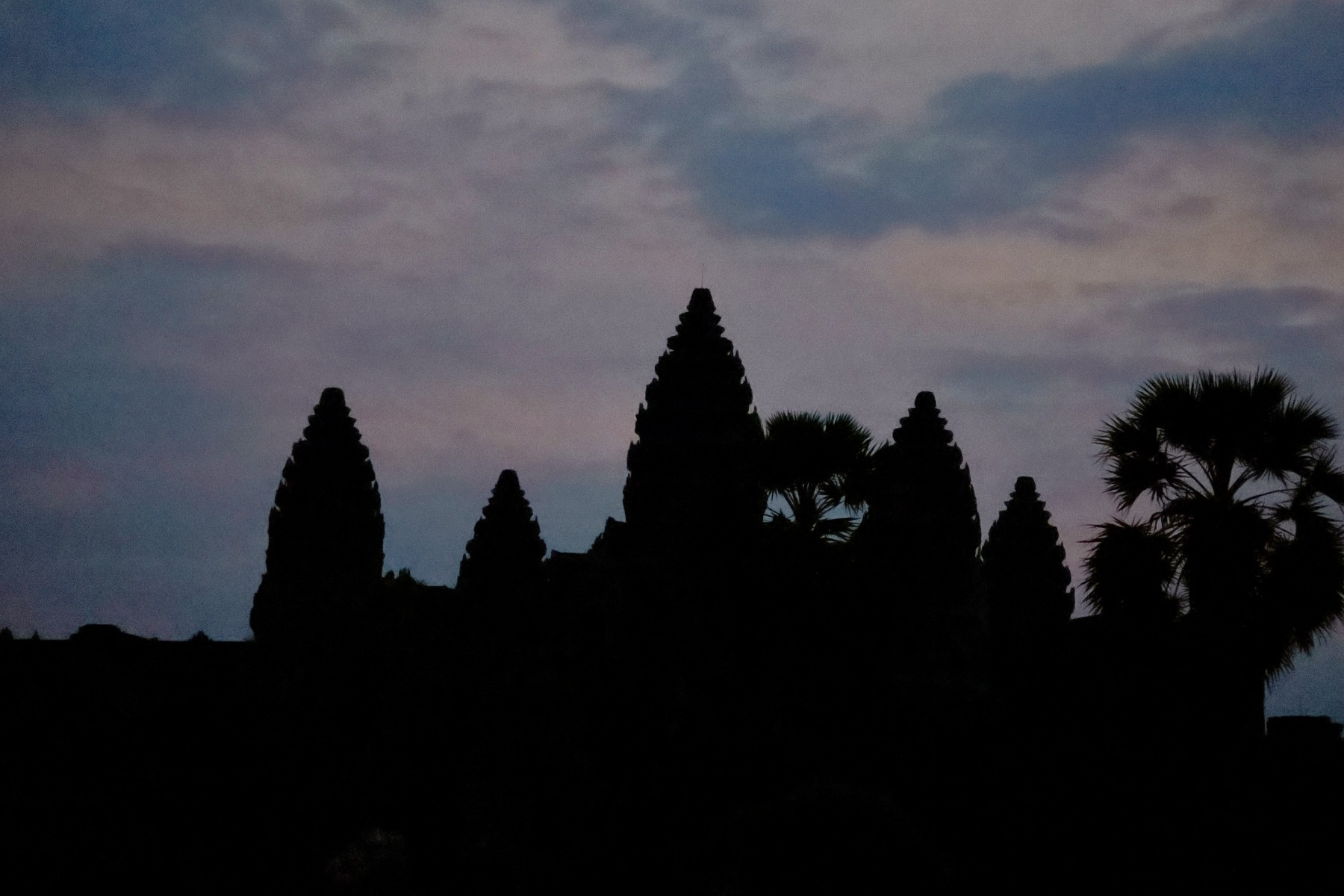
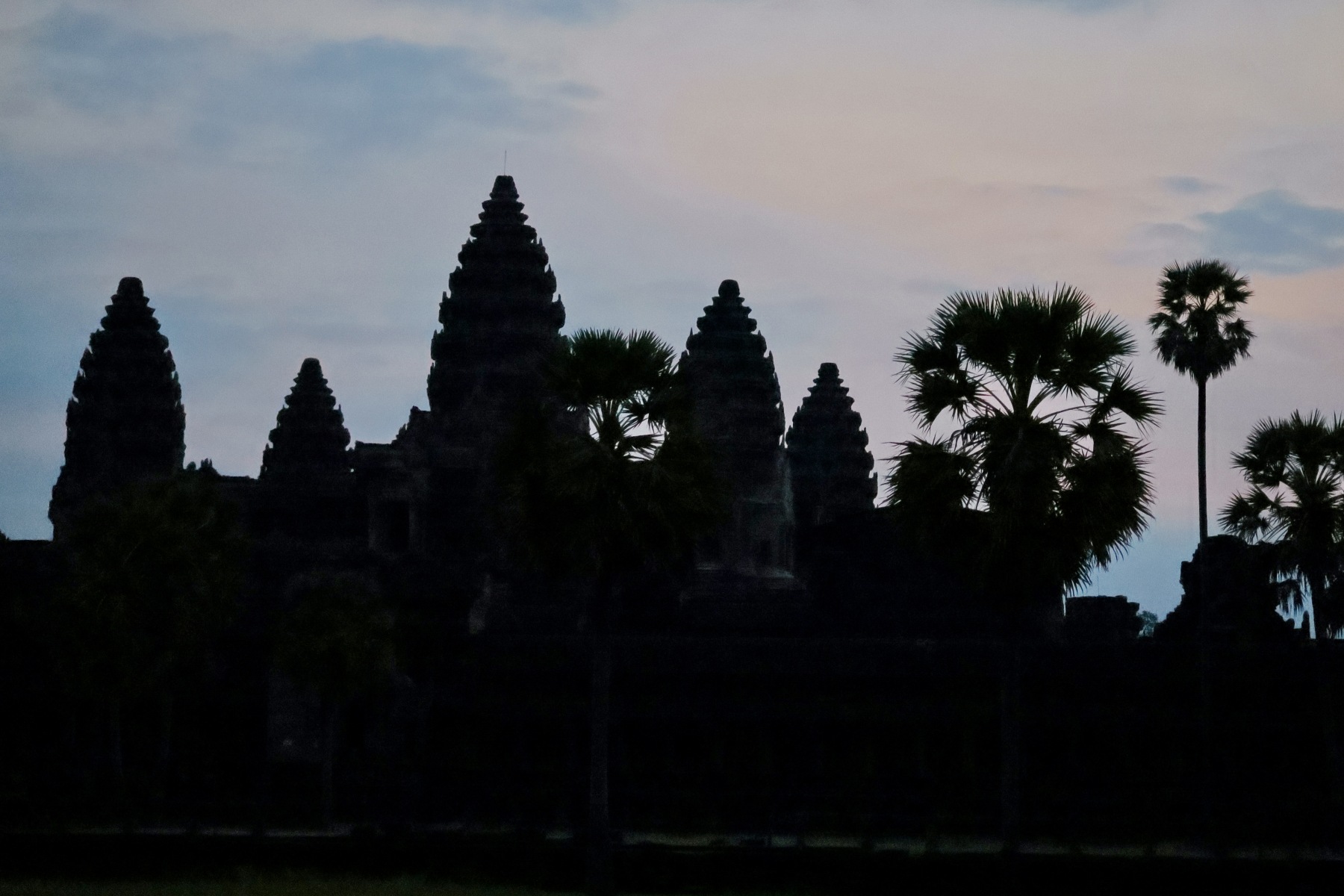
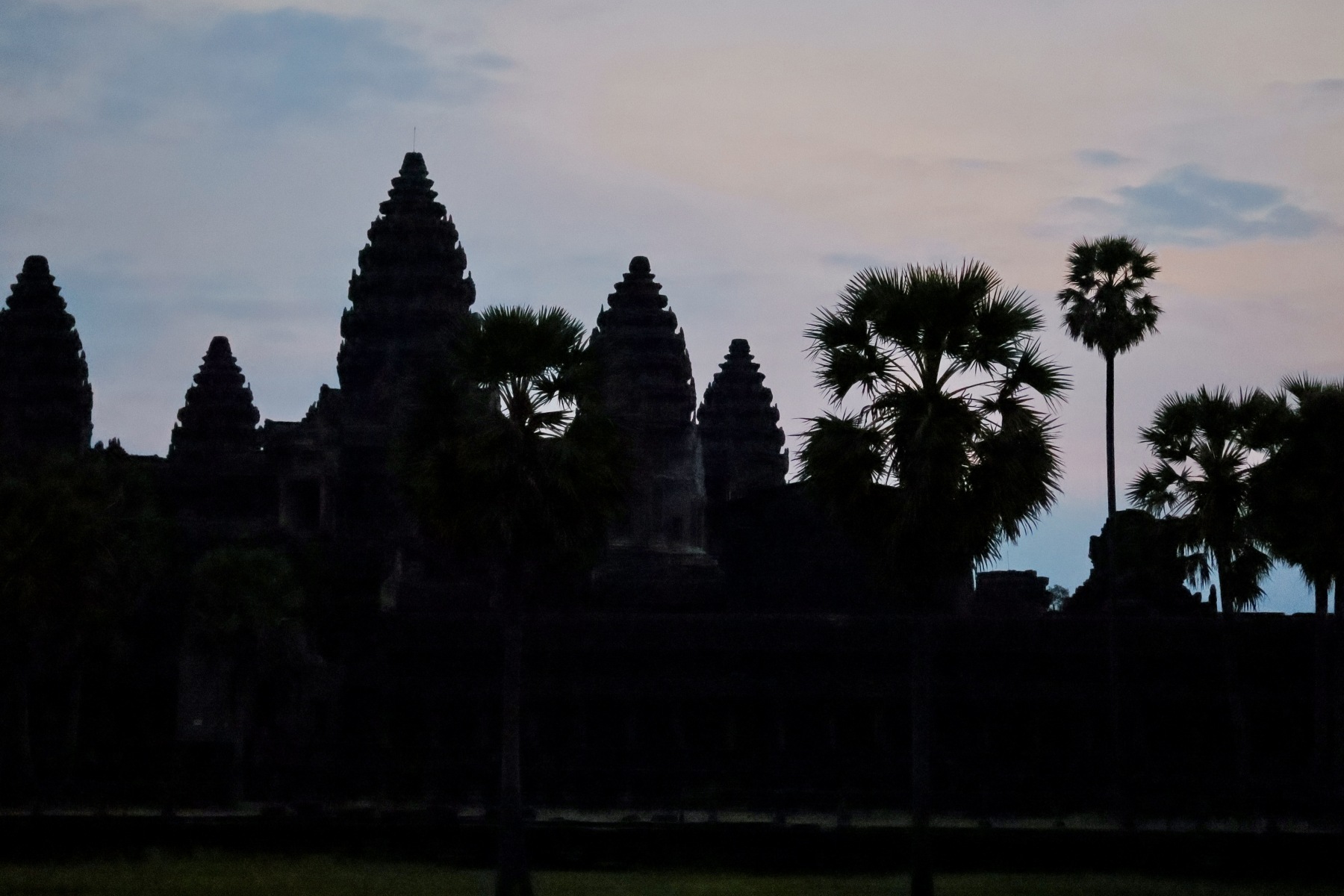
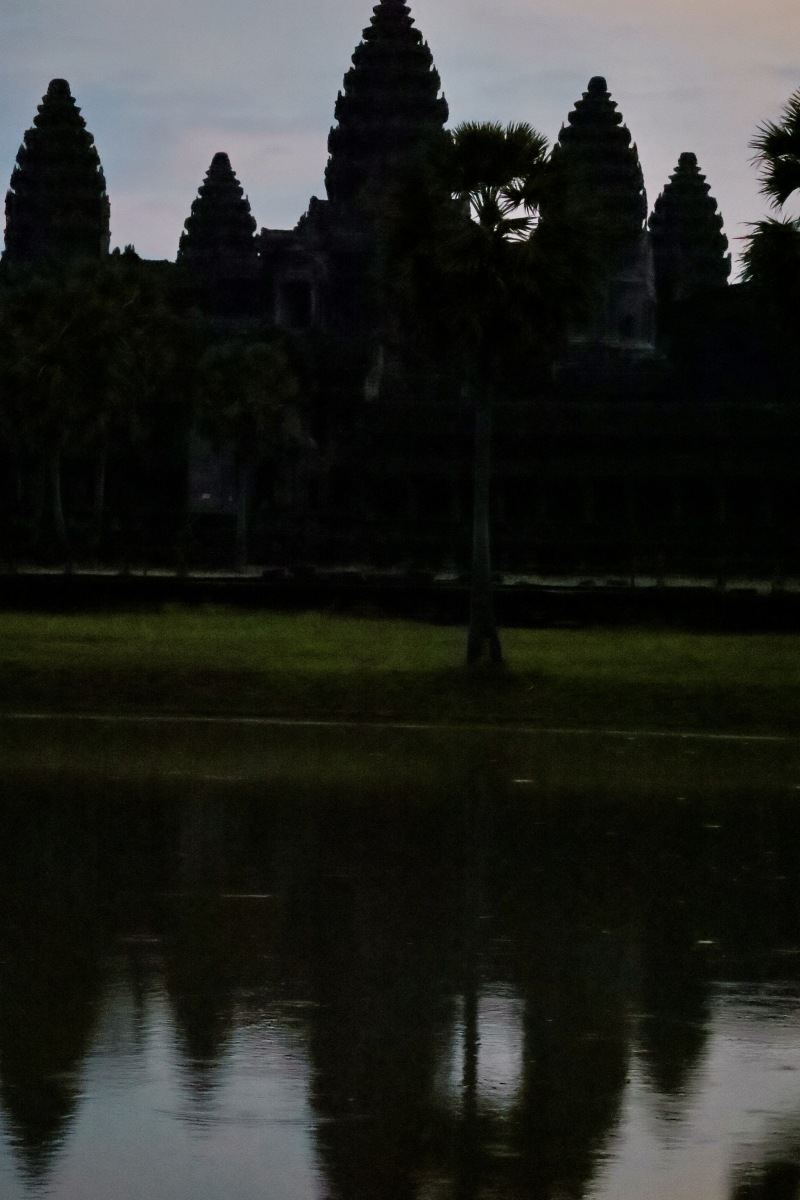
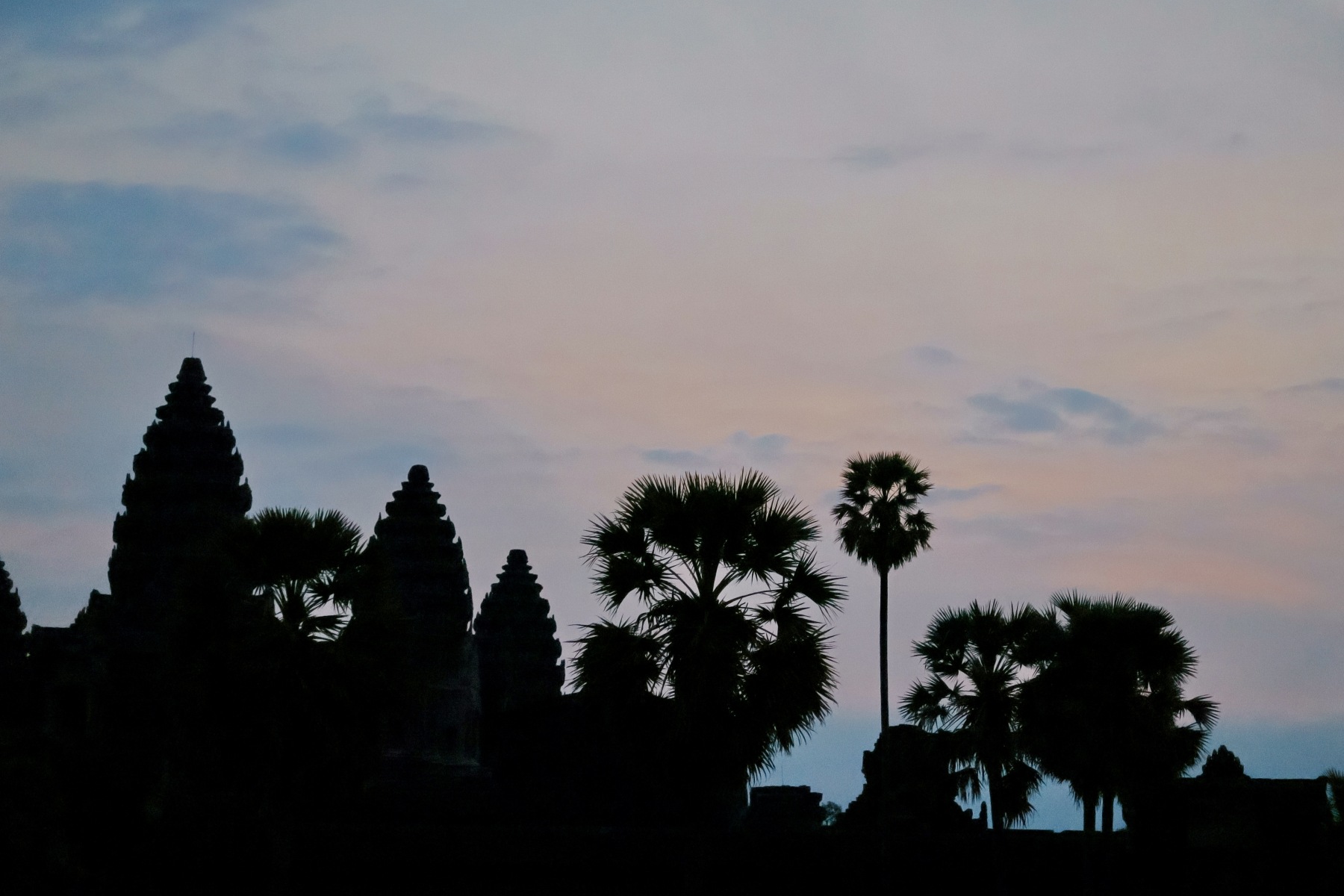
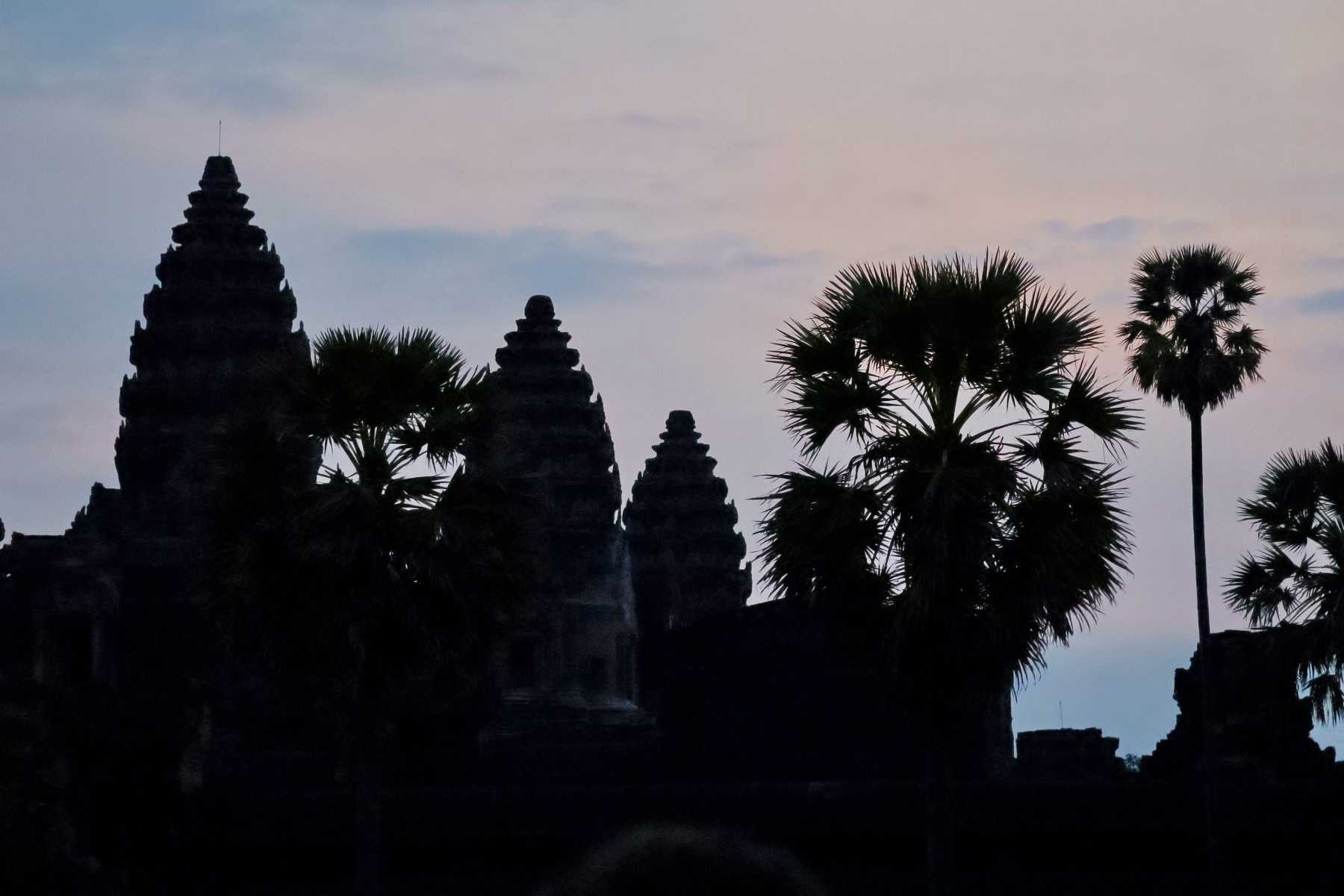
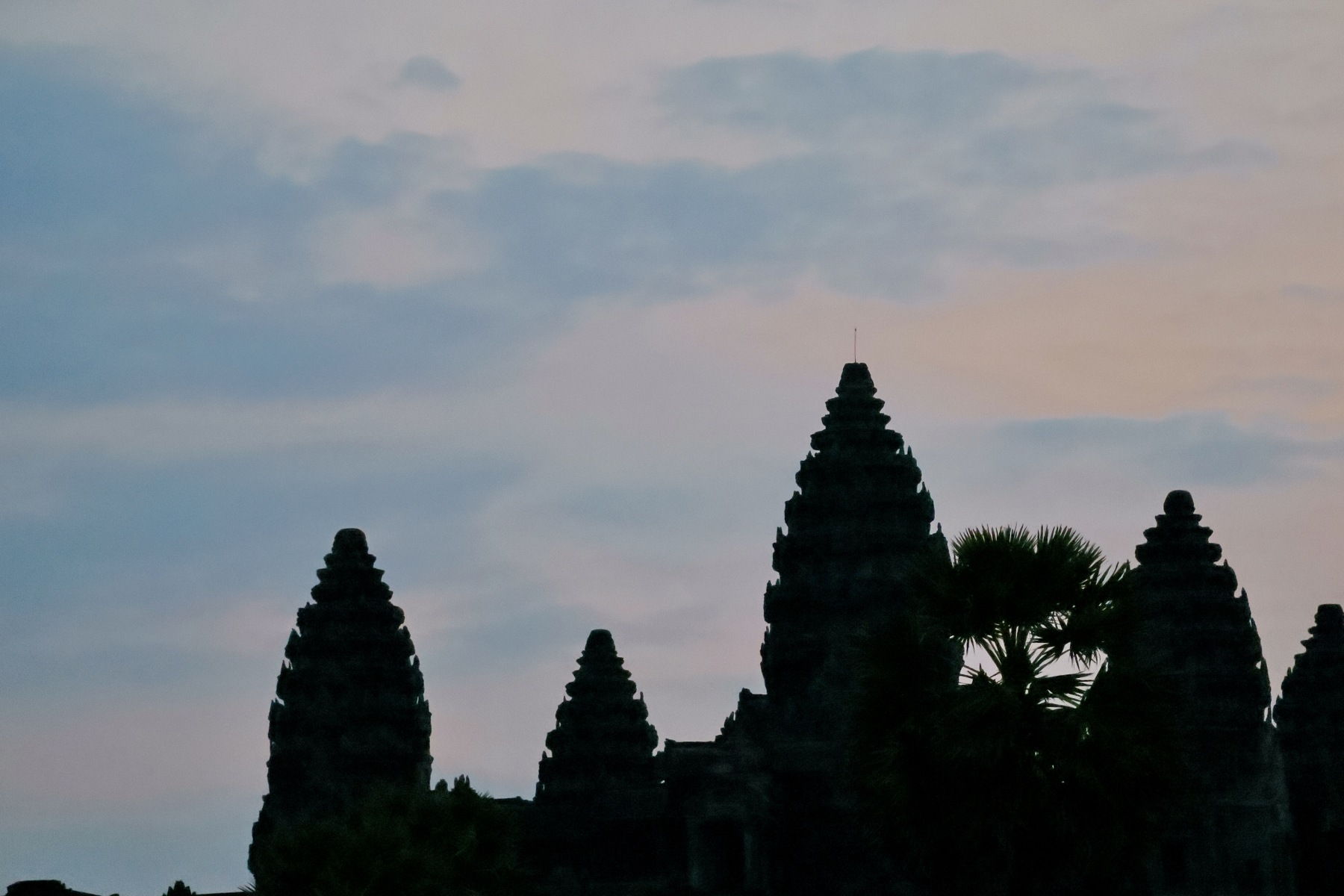
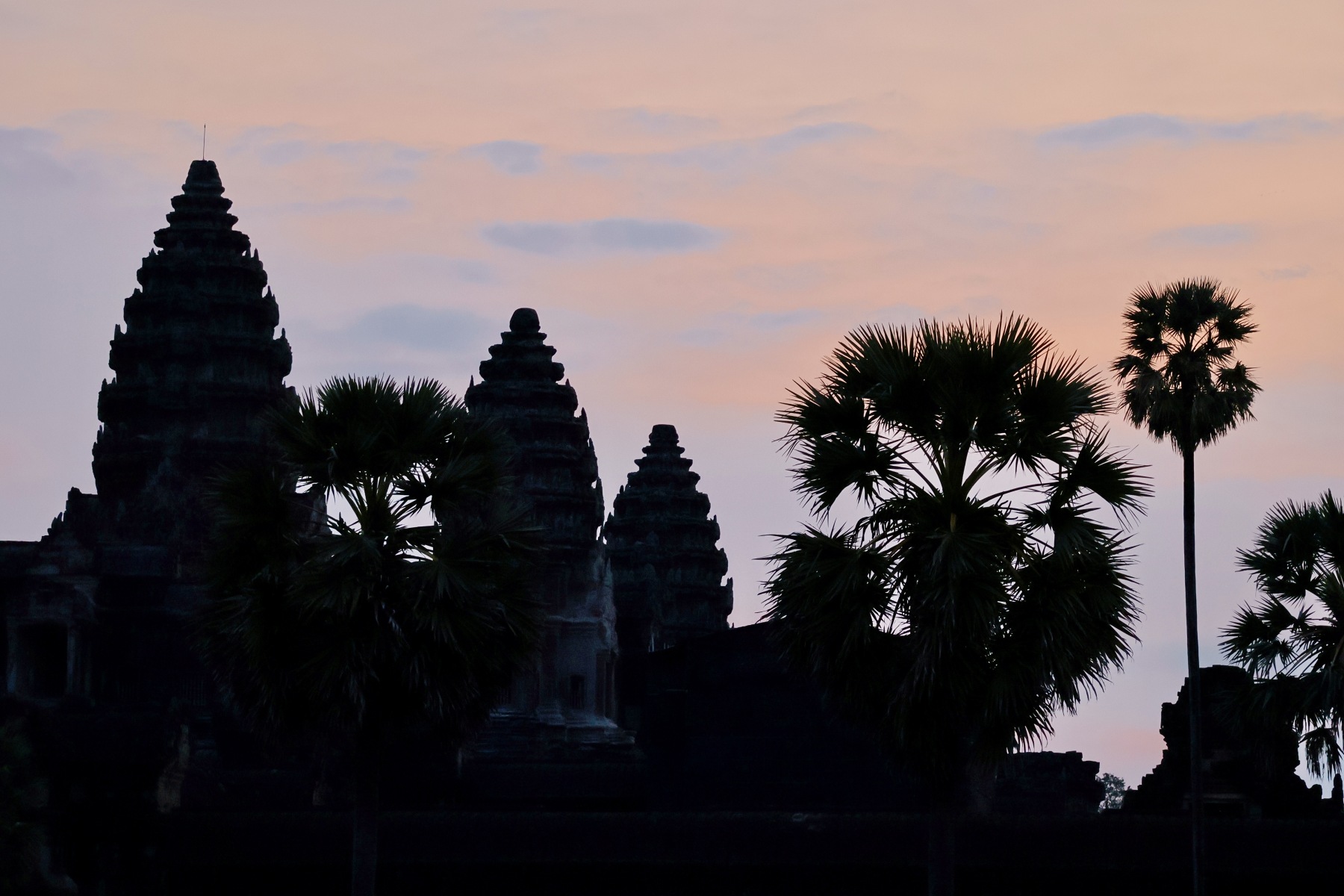
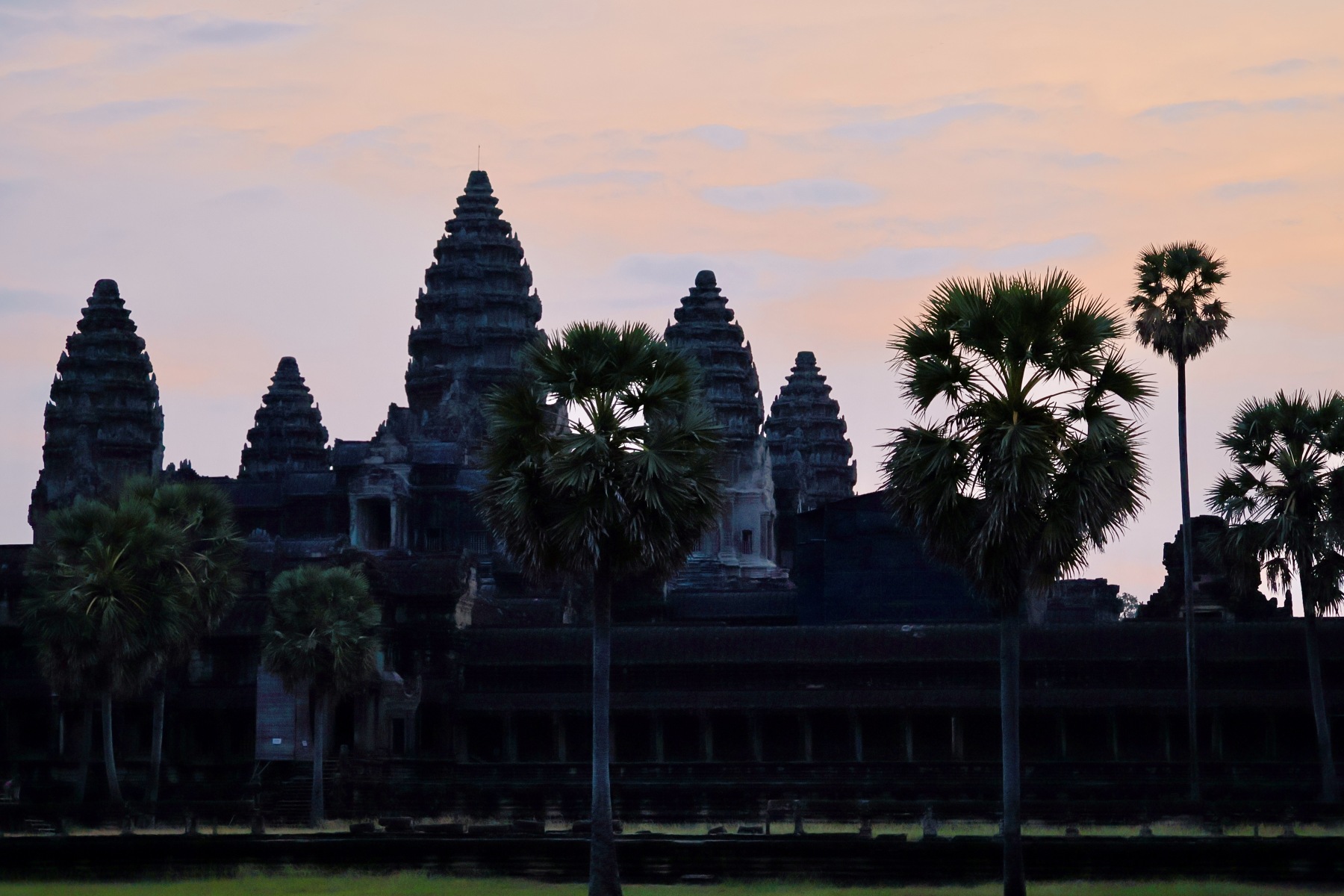
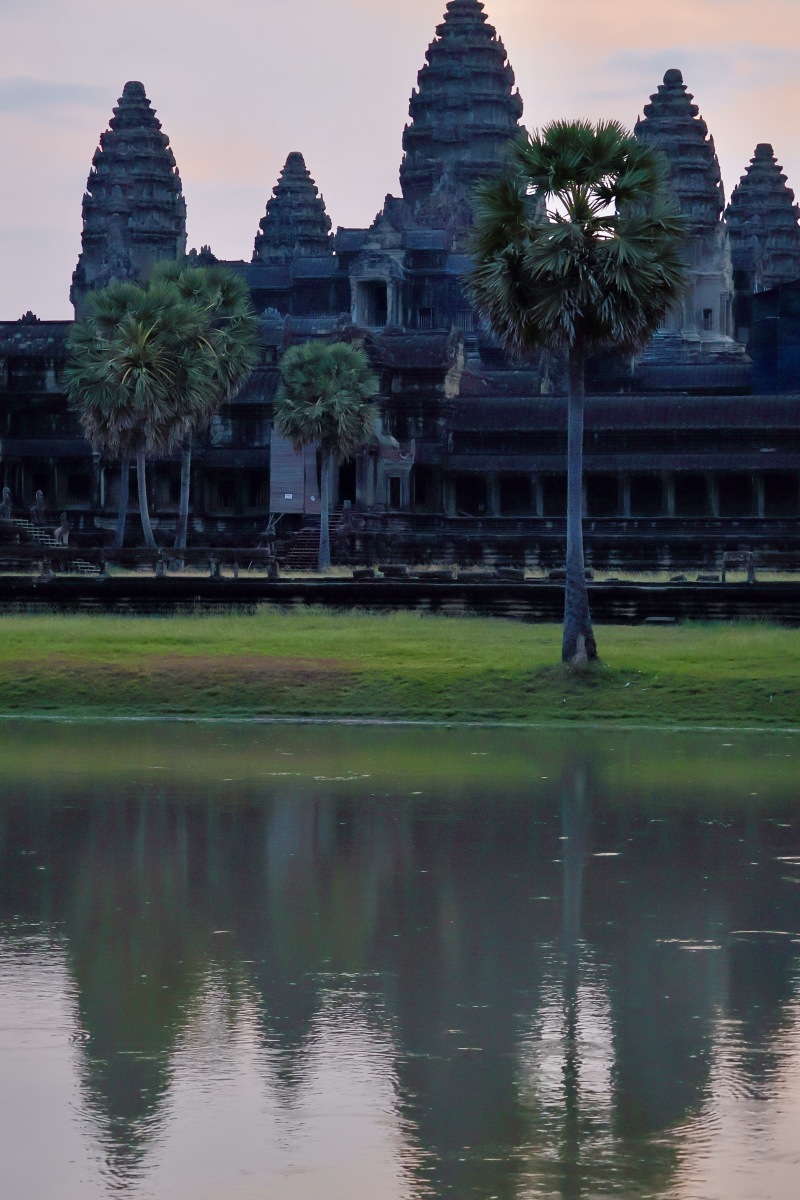
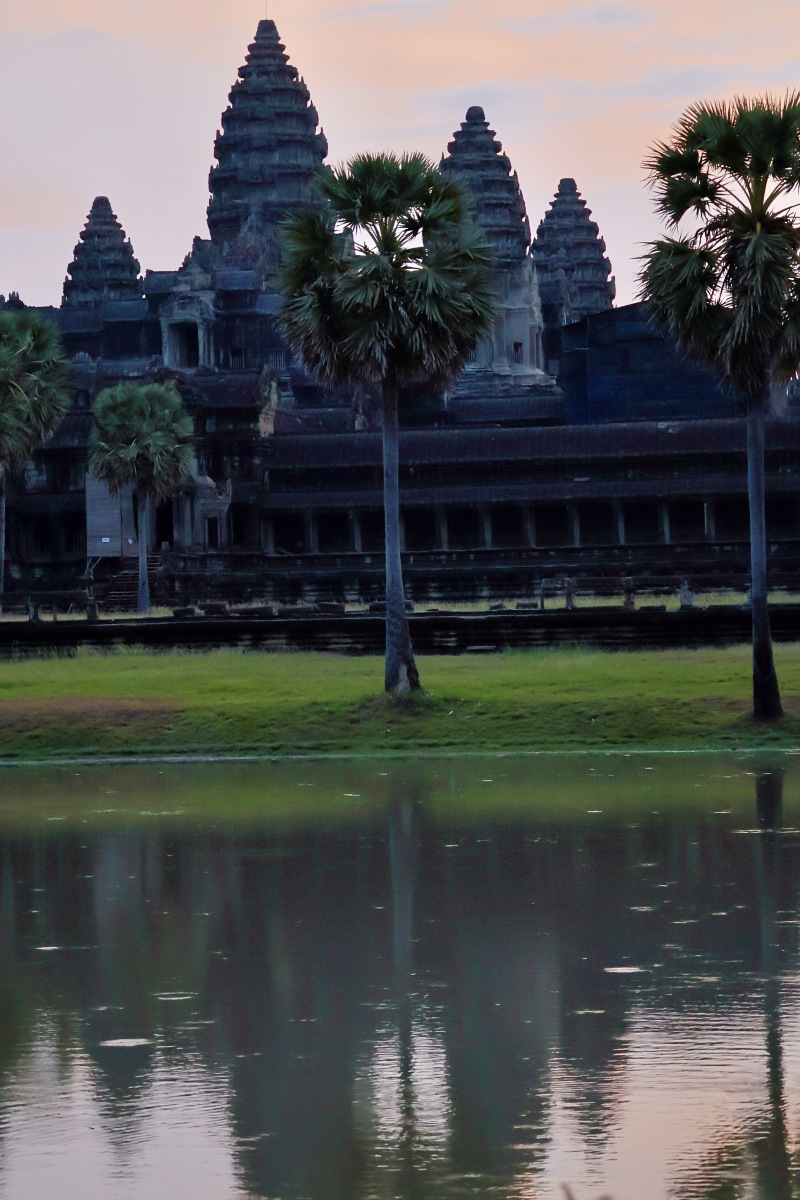
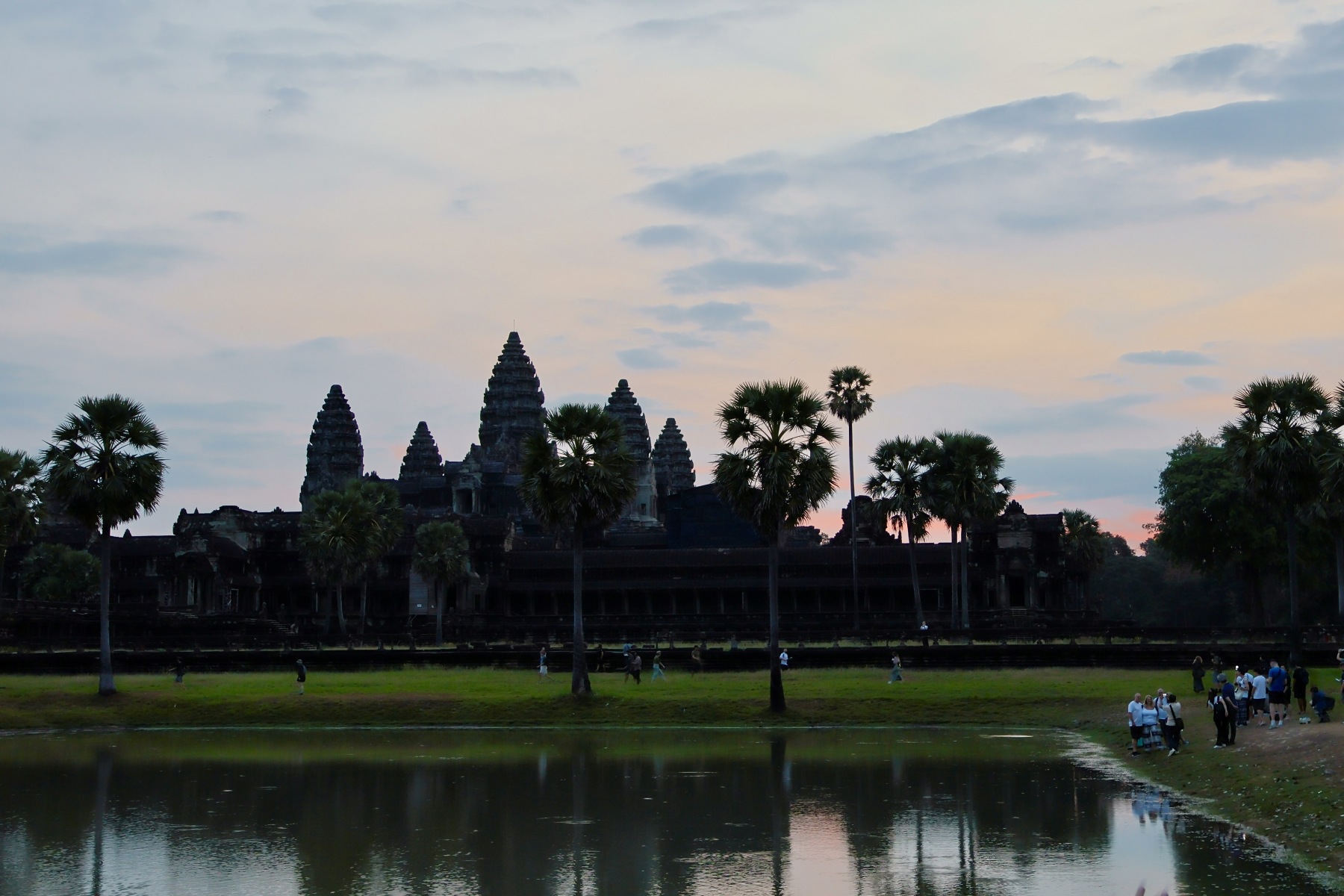
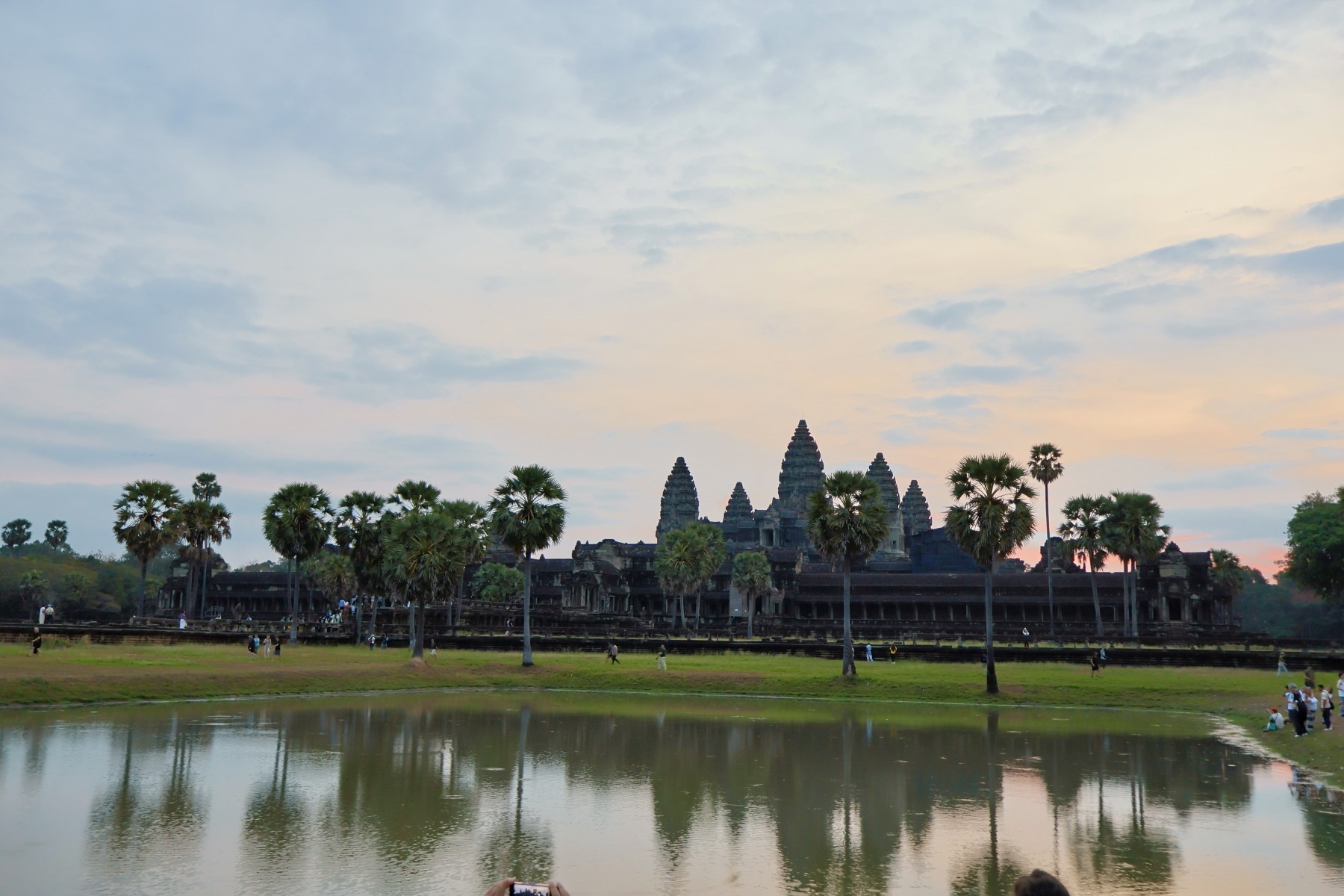
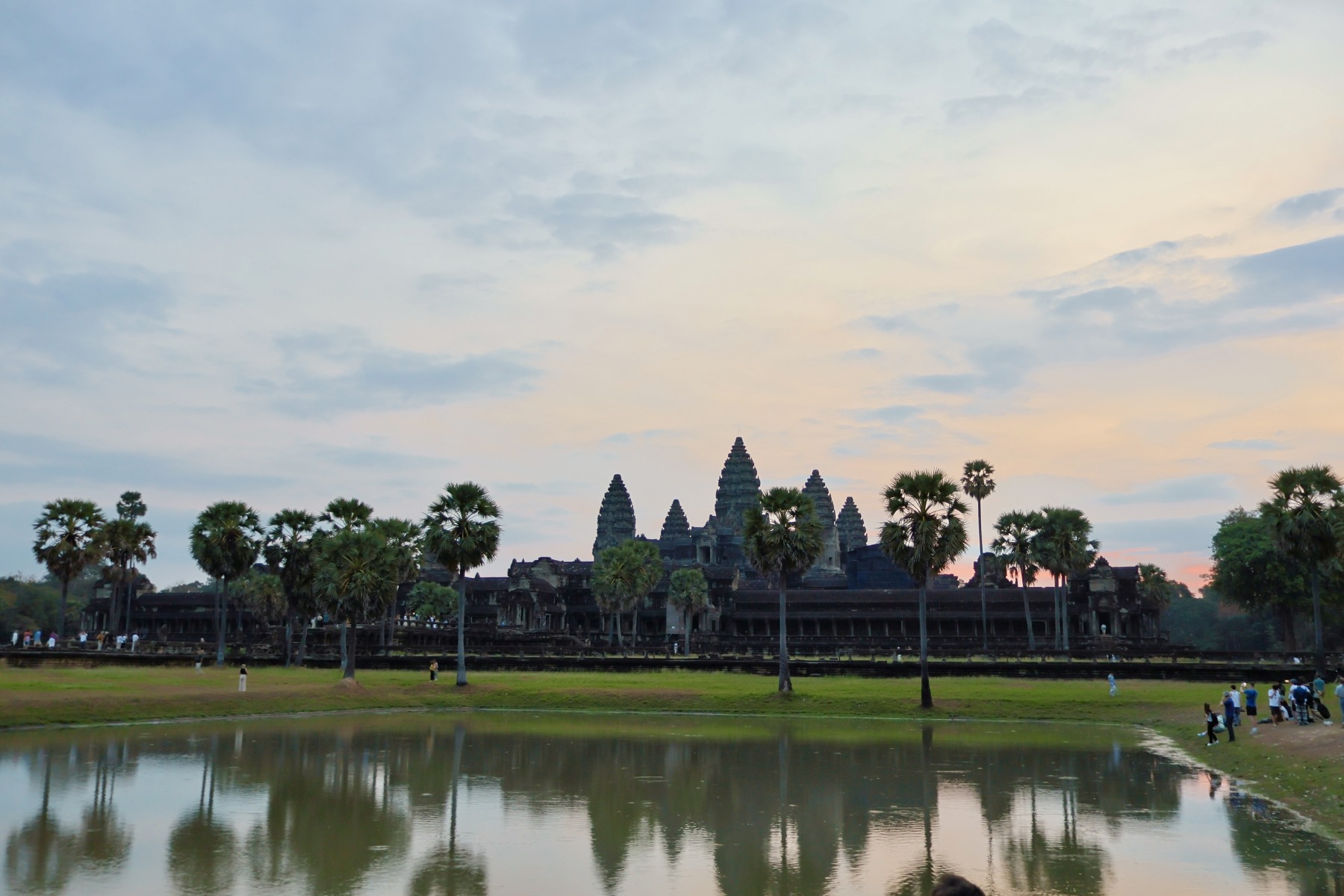
Obviously the most famous, this is a simply enormous temple, surrounded by a 5km lake and with outer walls 3.6km. It rises on three levels with five towers at its centre.
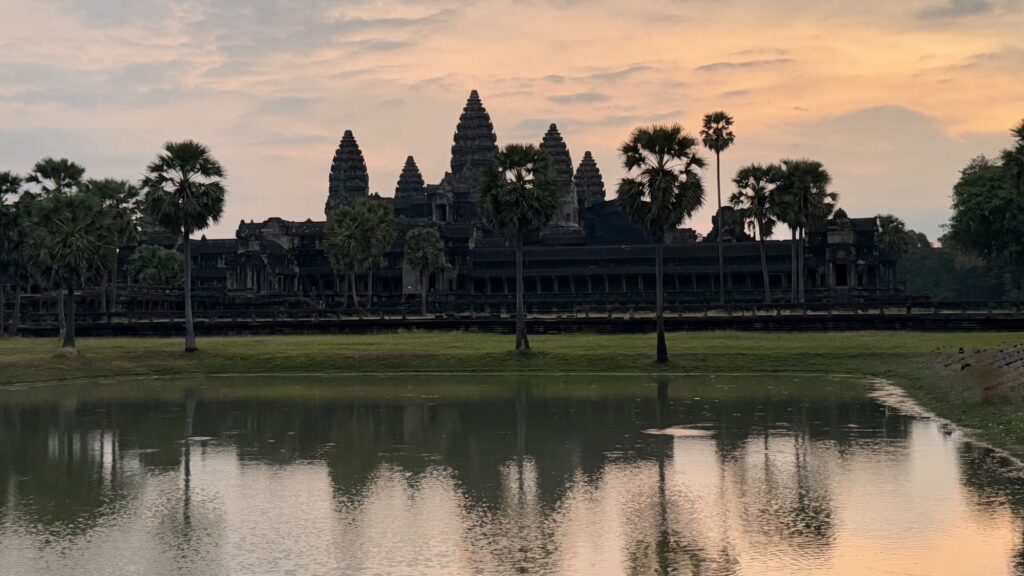
Completed 1186 AD by Jayavarman VII to honour his mother. Dedicated to Prajnaparamita, the Buddhist principle of Perfection of Transcendental Wisdom.
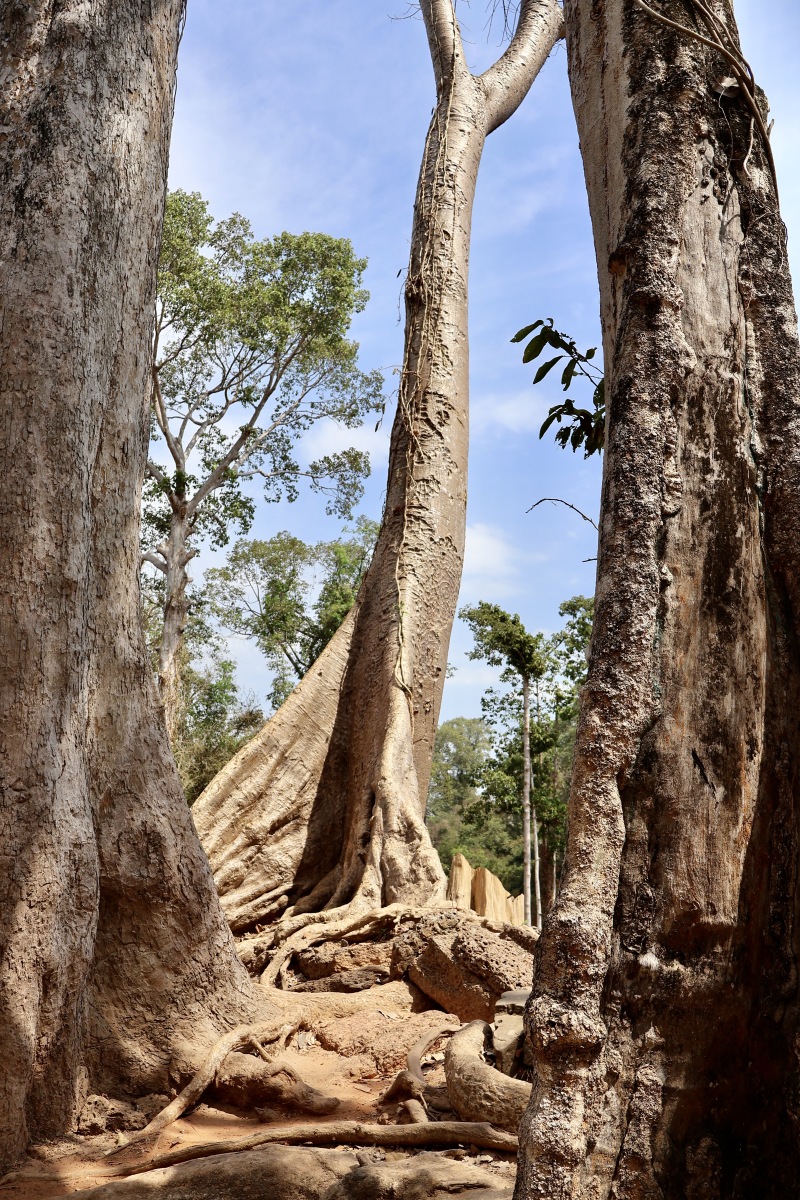
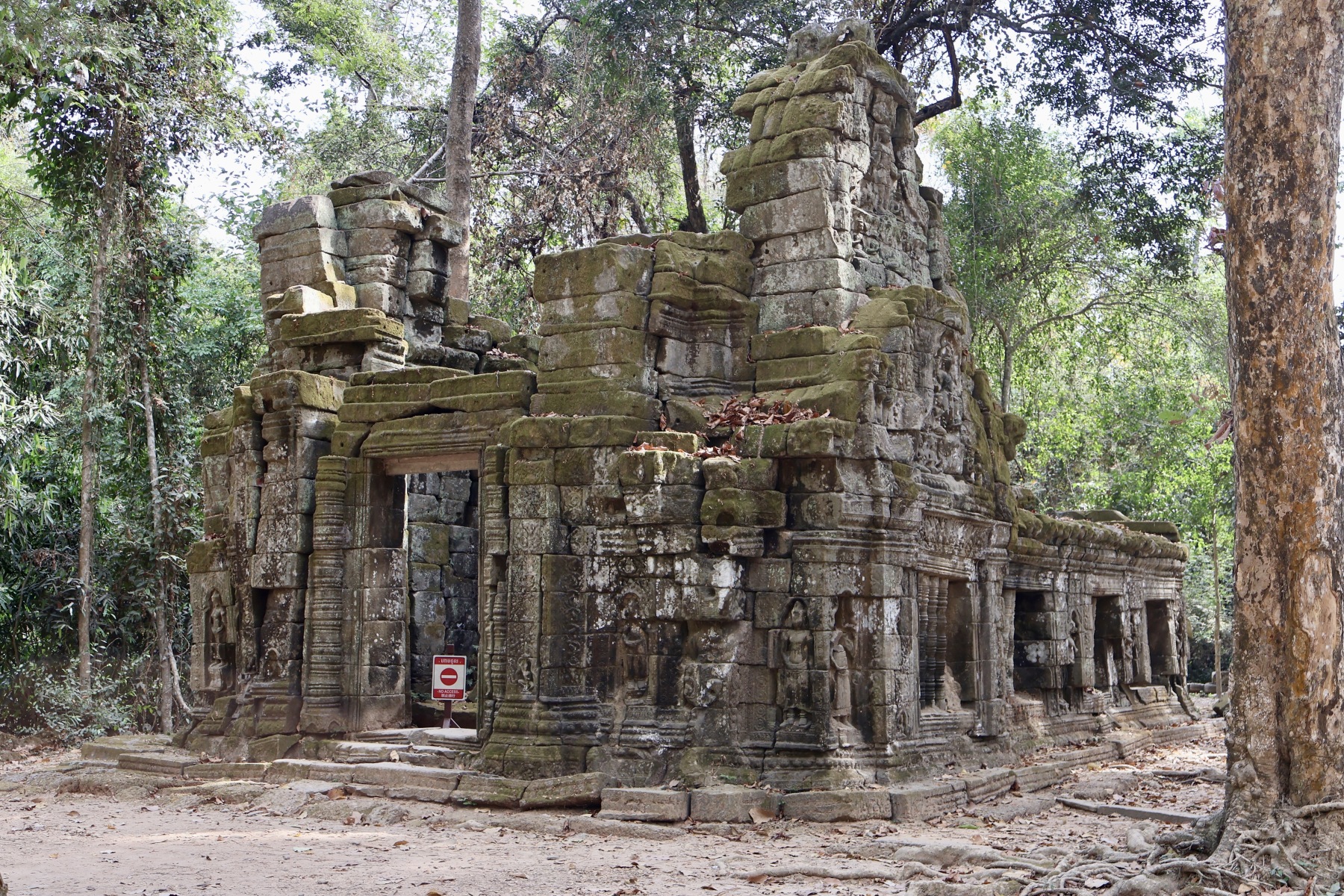
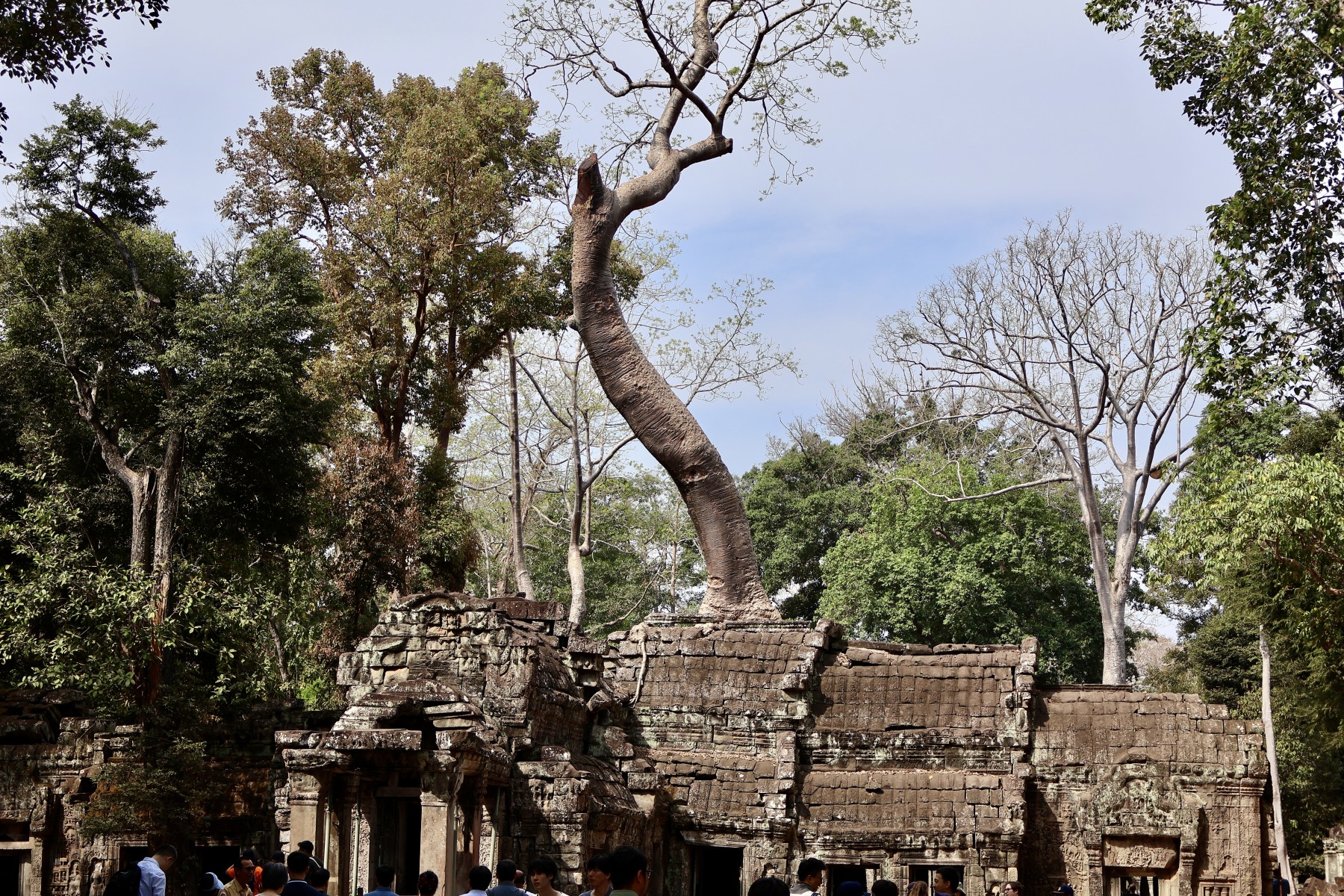
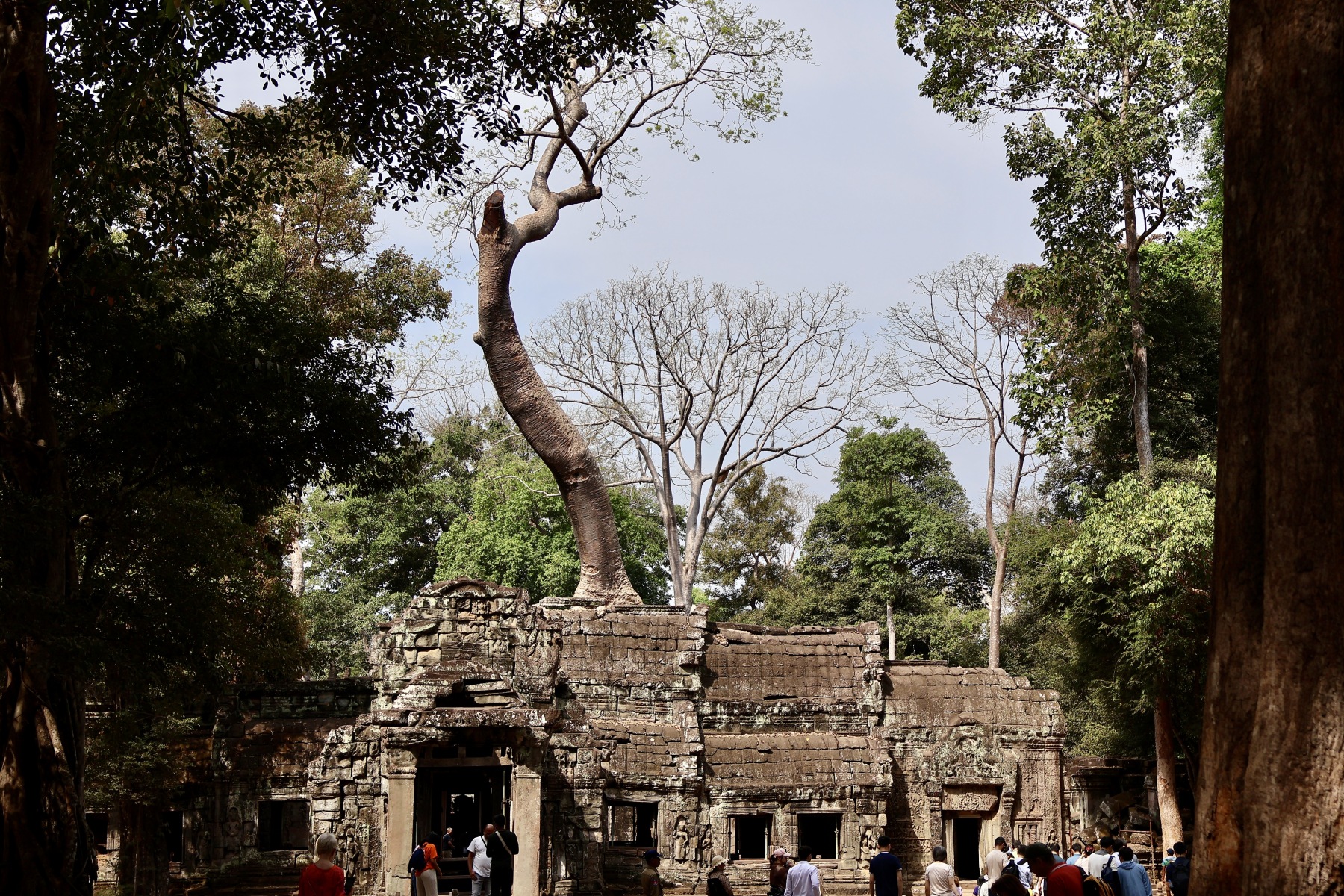
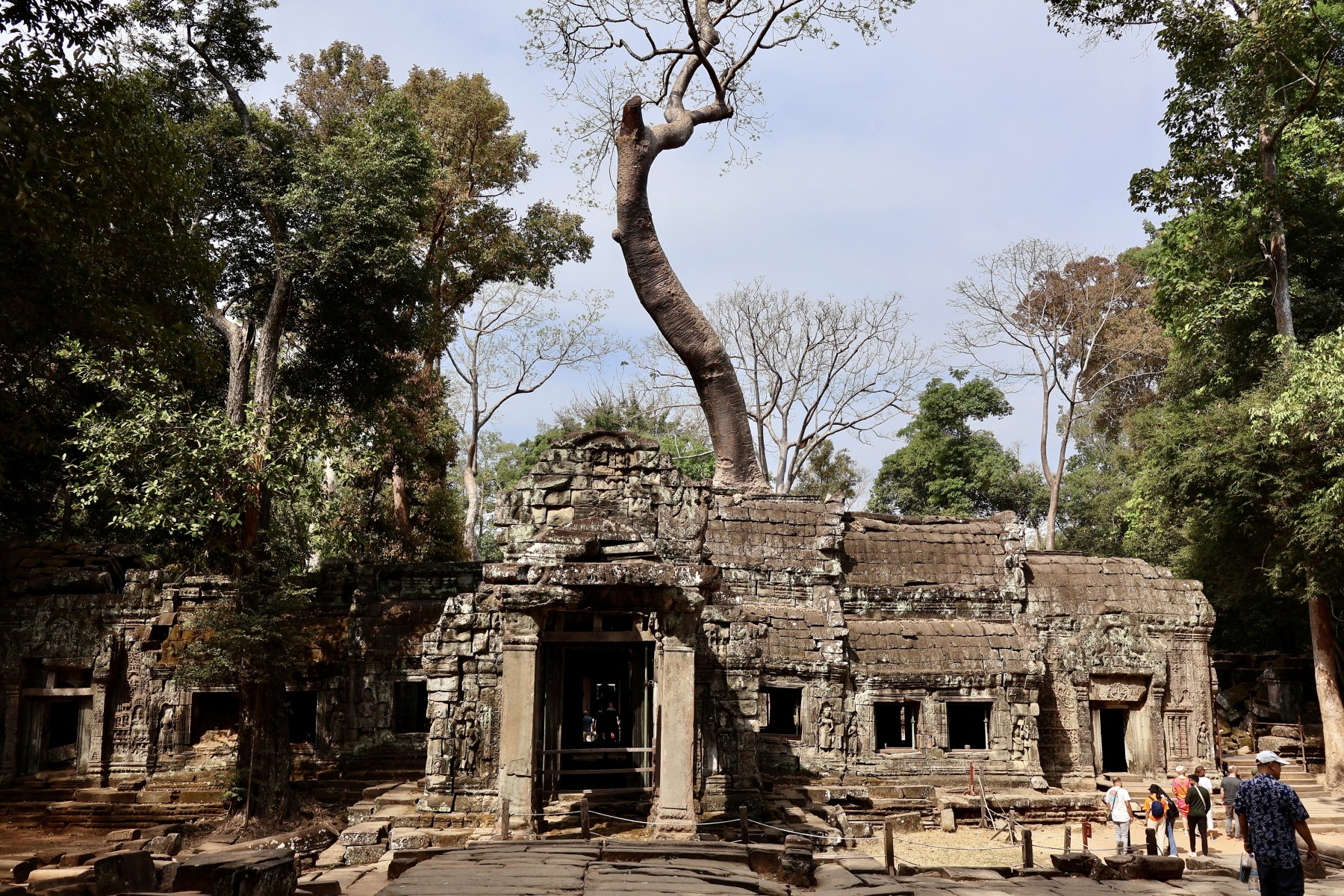
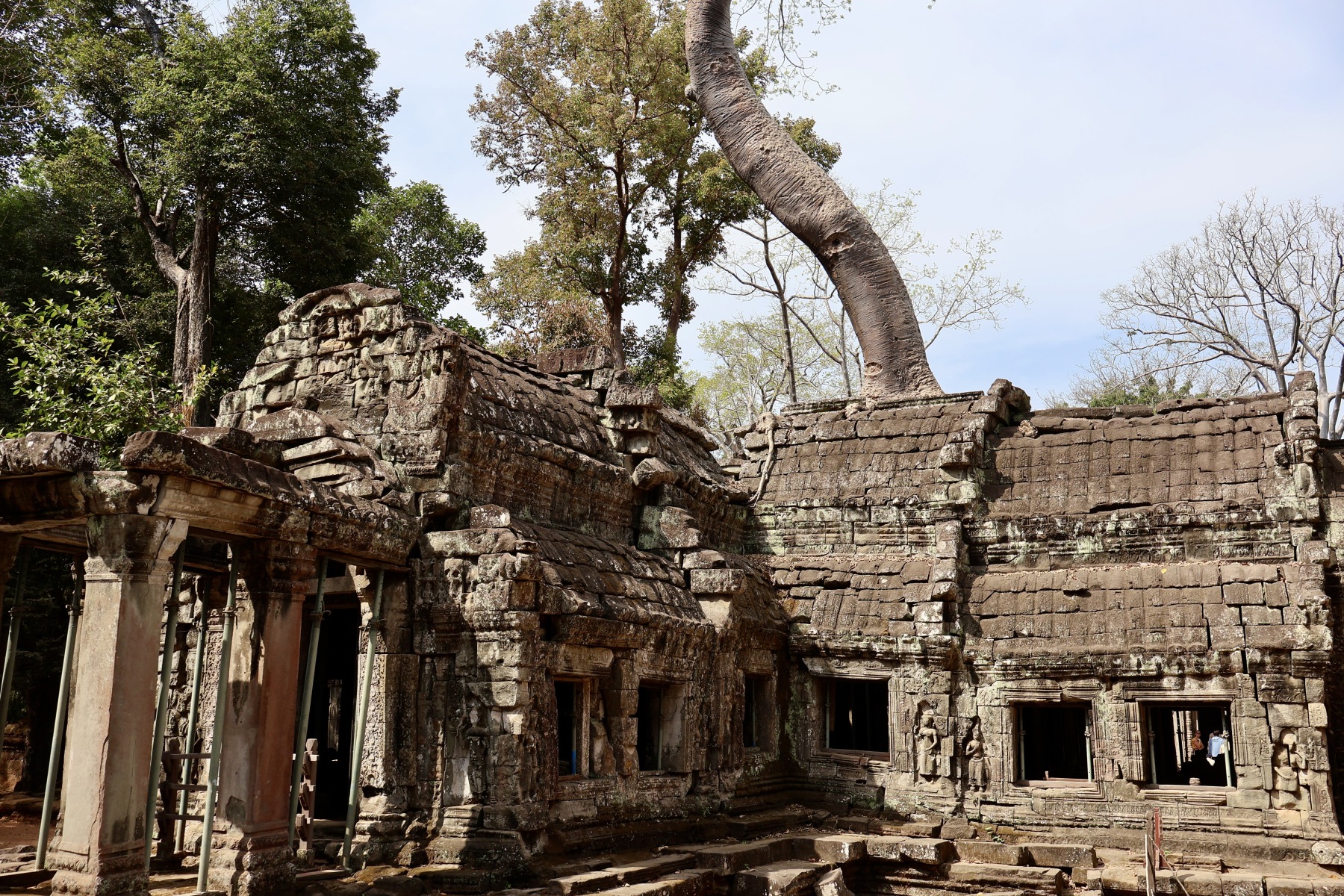
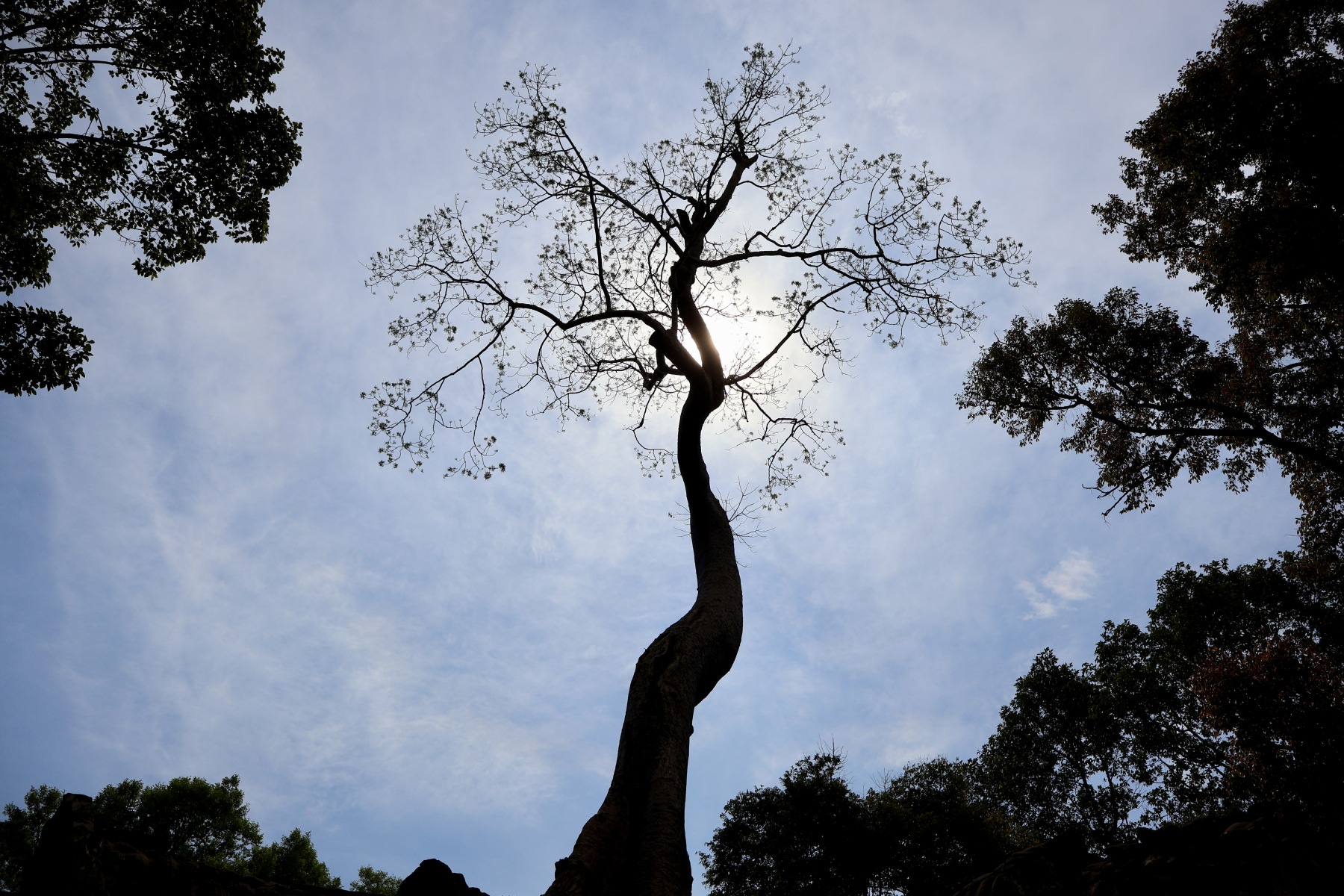
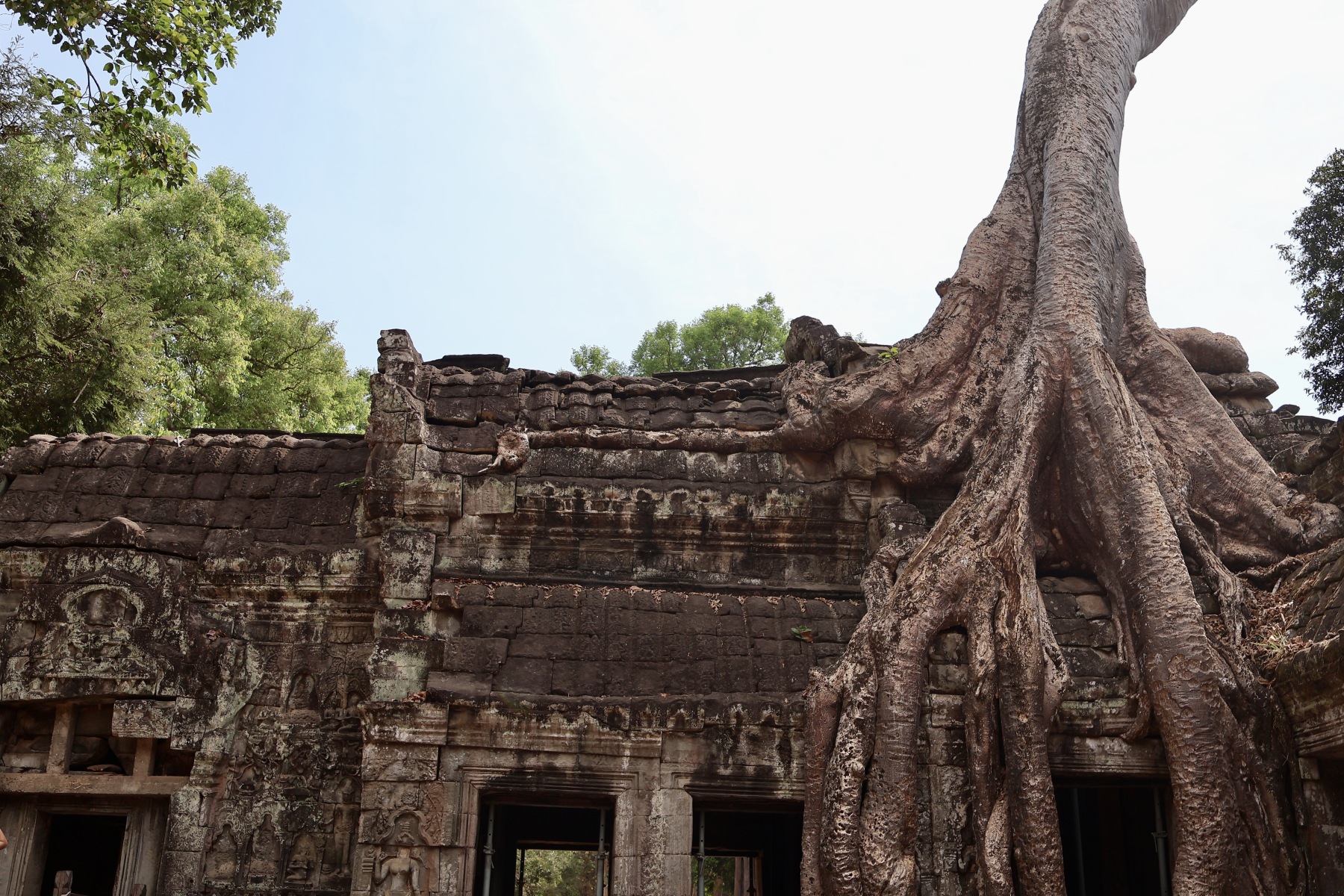
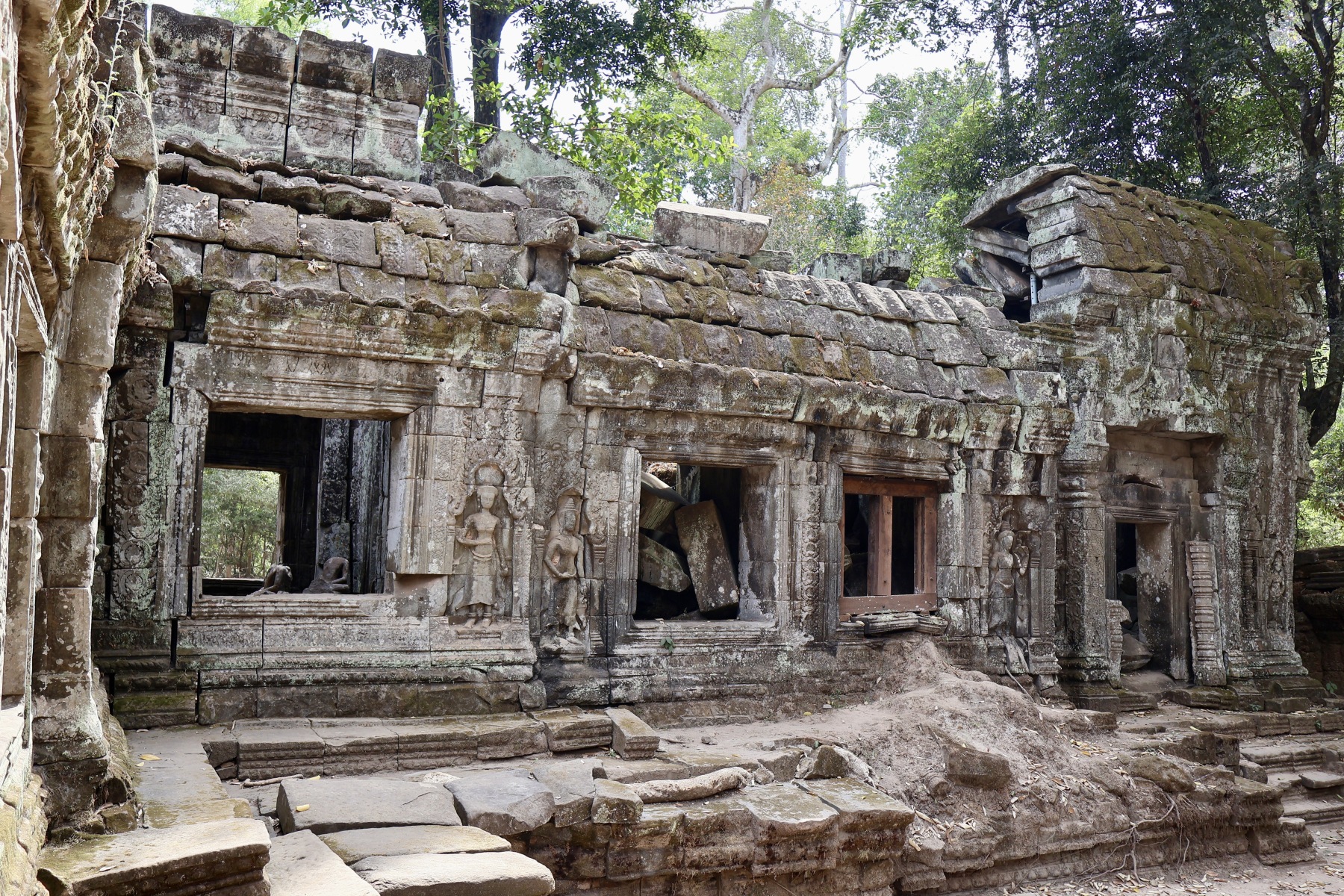
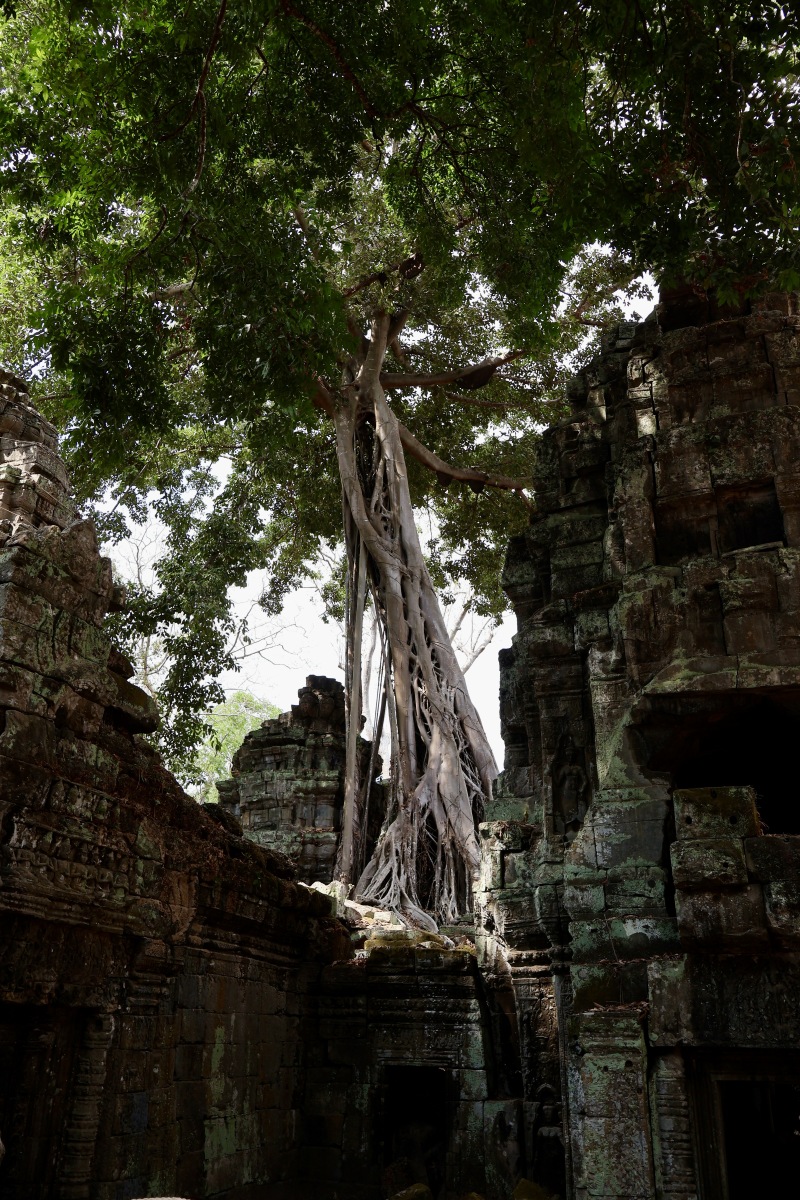
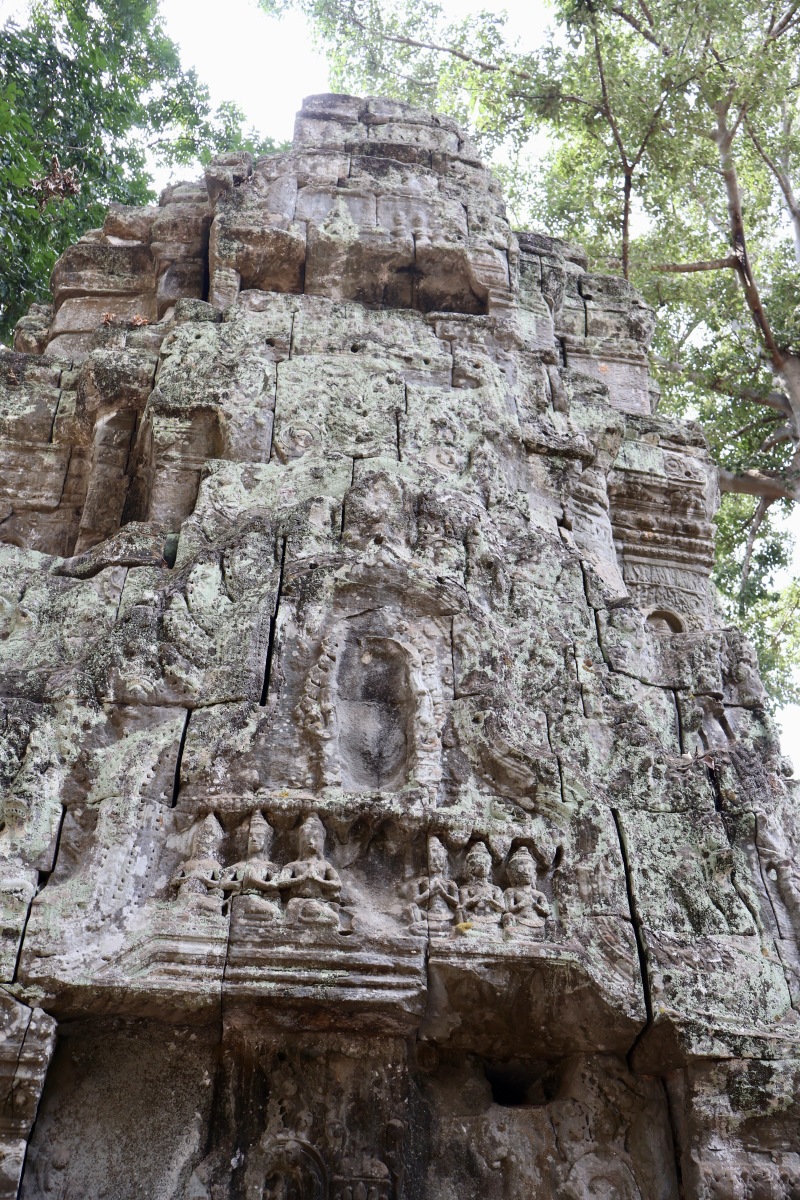
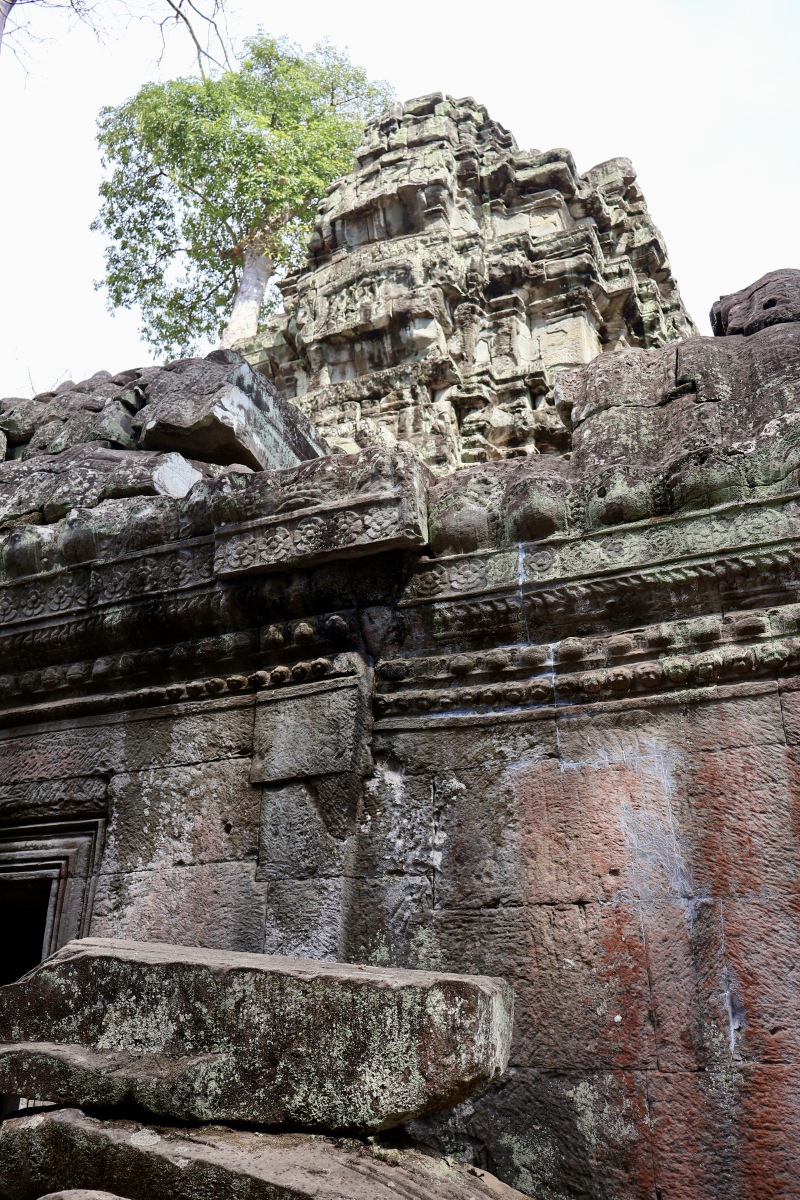
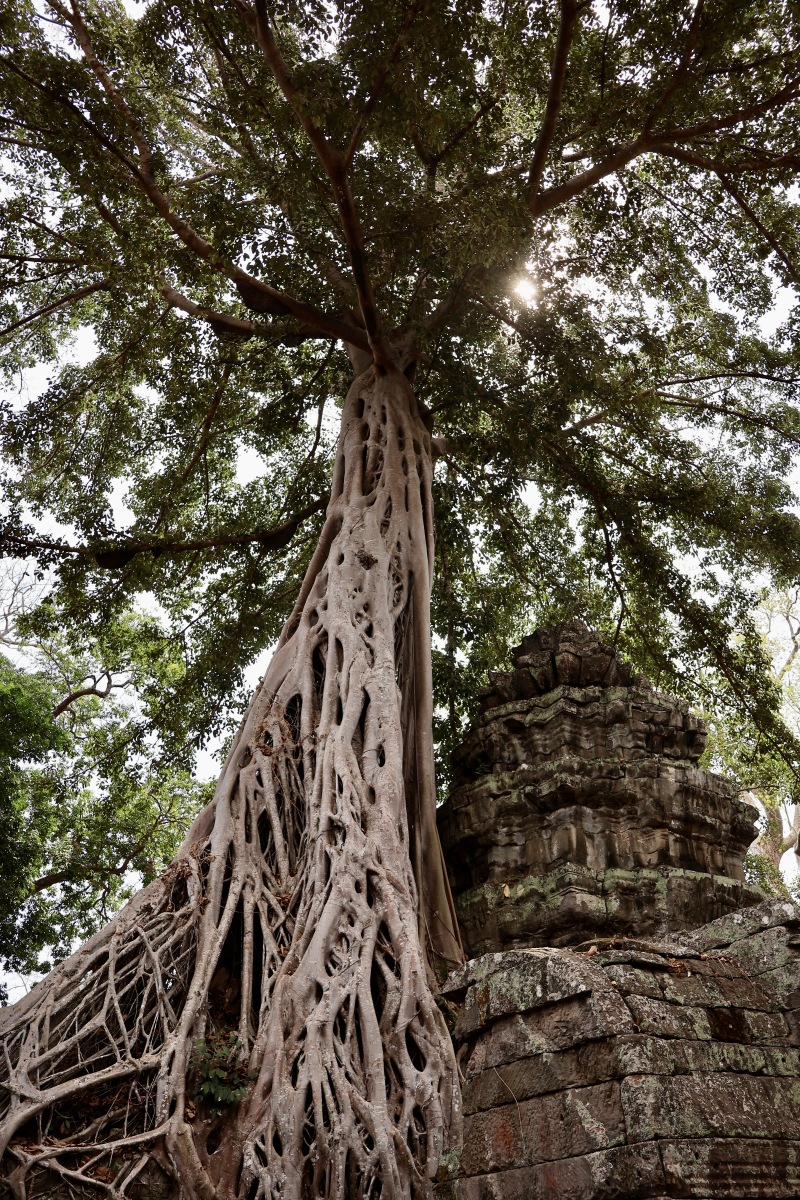
Most famous as the “Tomb Raider” temple, this was abandoned when the Khmer empire collapsed, and was left to decay as nature reclaimed the site. Enormous thitpok and strangler fig trees have grown over the site.
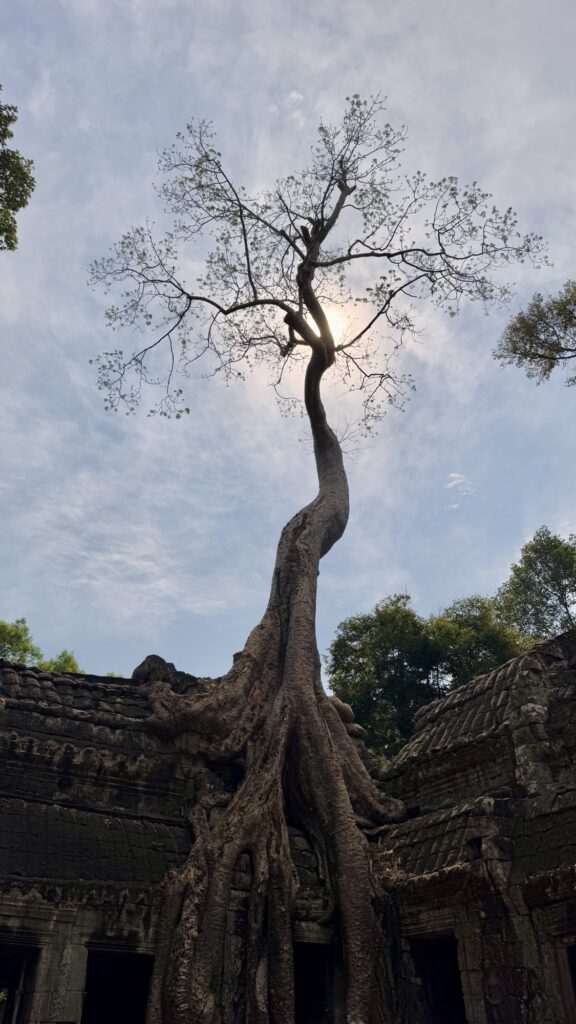
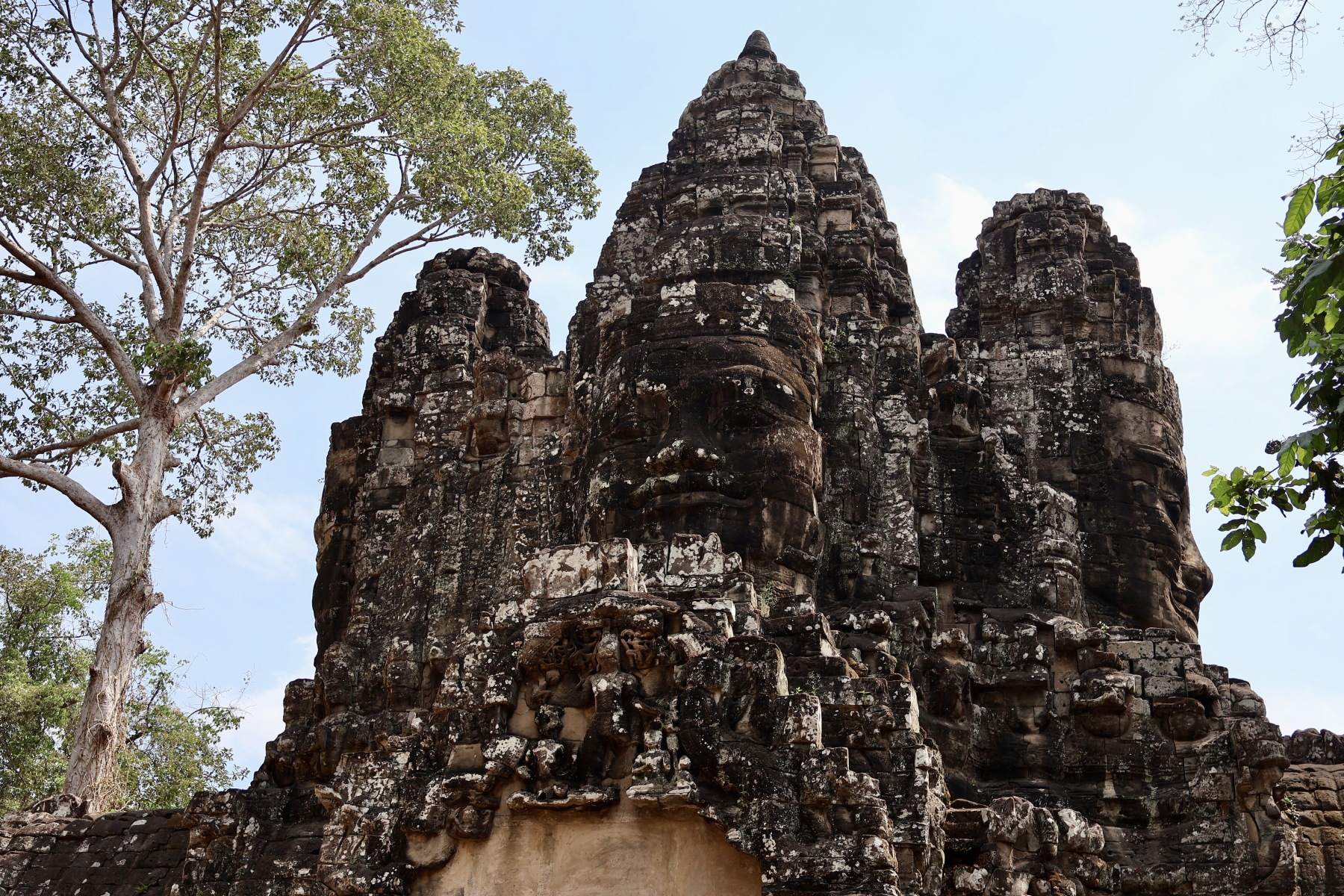
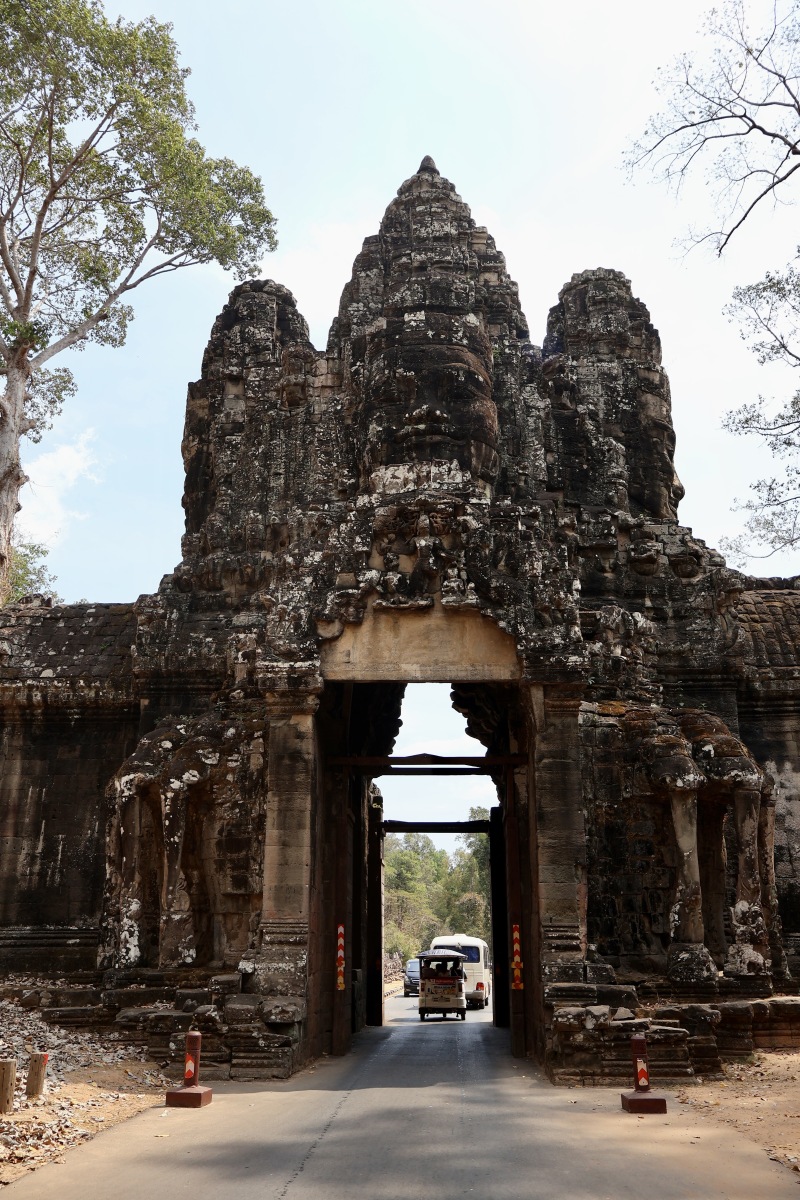
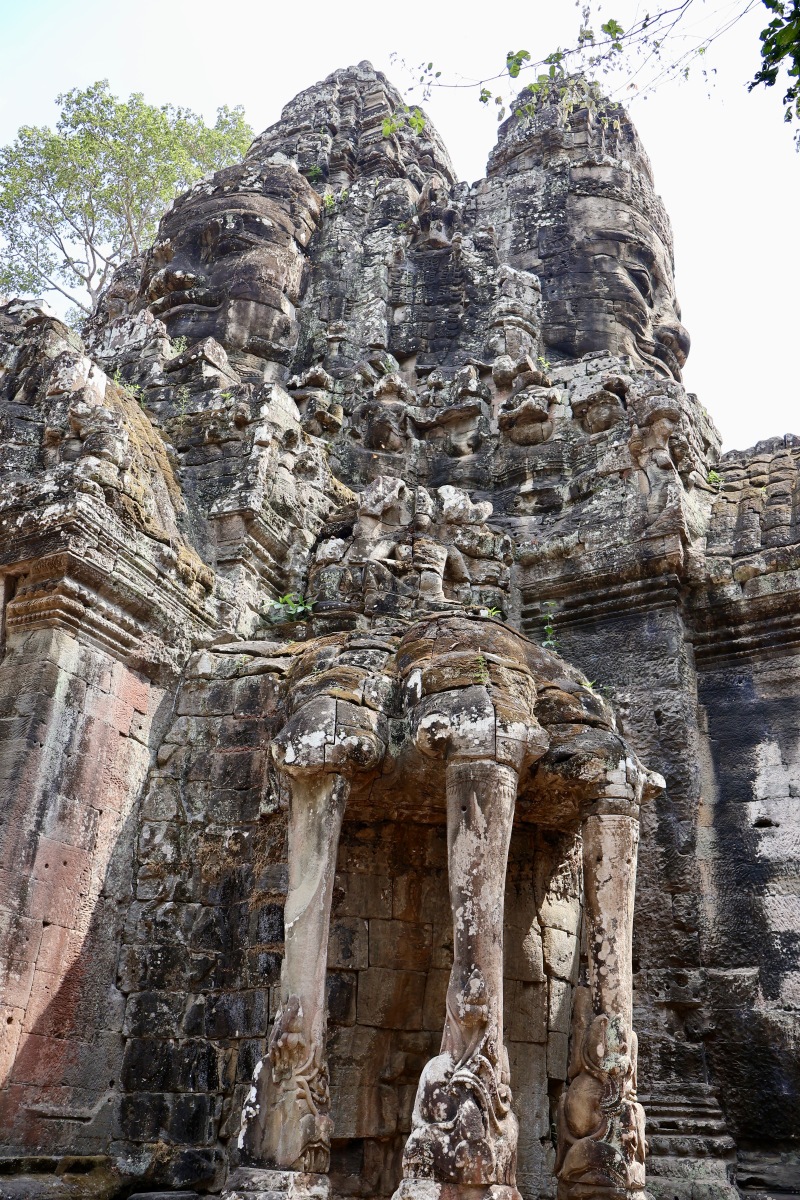
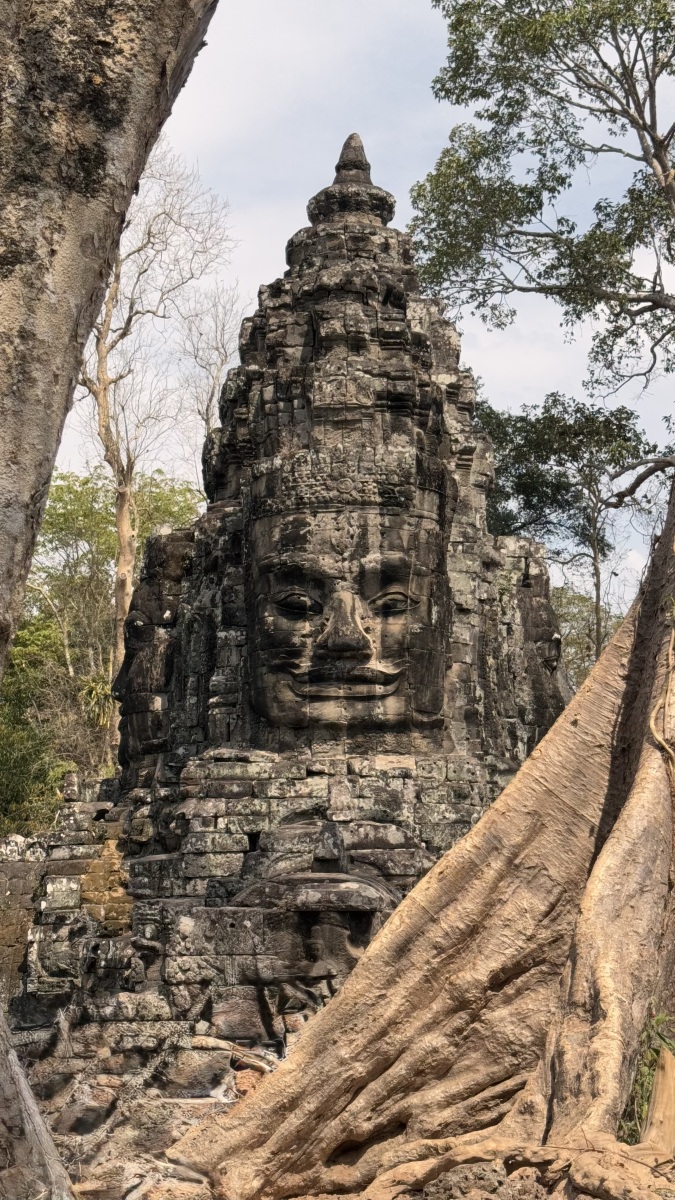
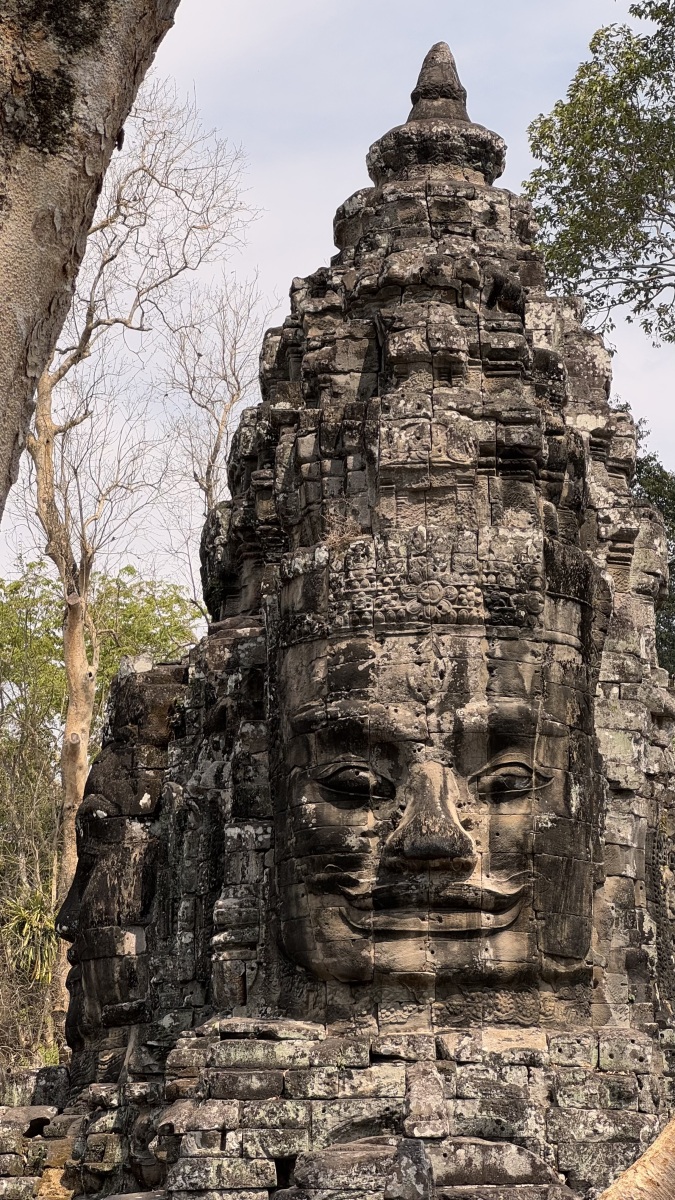
Established late 12th century by Jayavarman VII as the capital of the Khmer empire.
More a city than a temple, likely to have sustained around 100,000 people, one in every ten-thousand people alive at the time lived here.
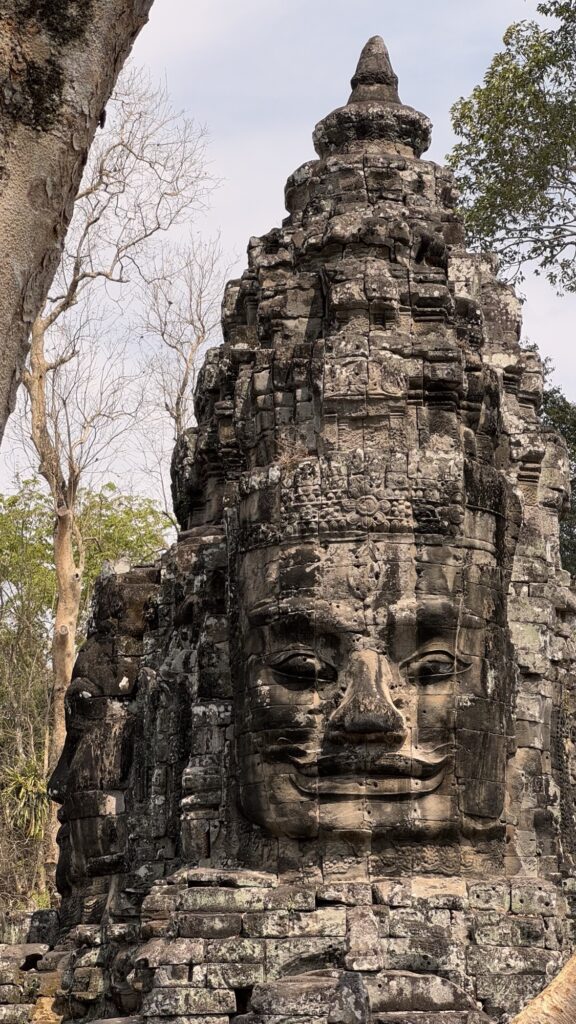
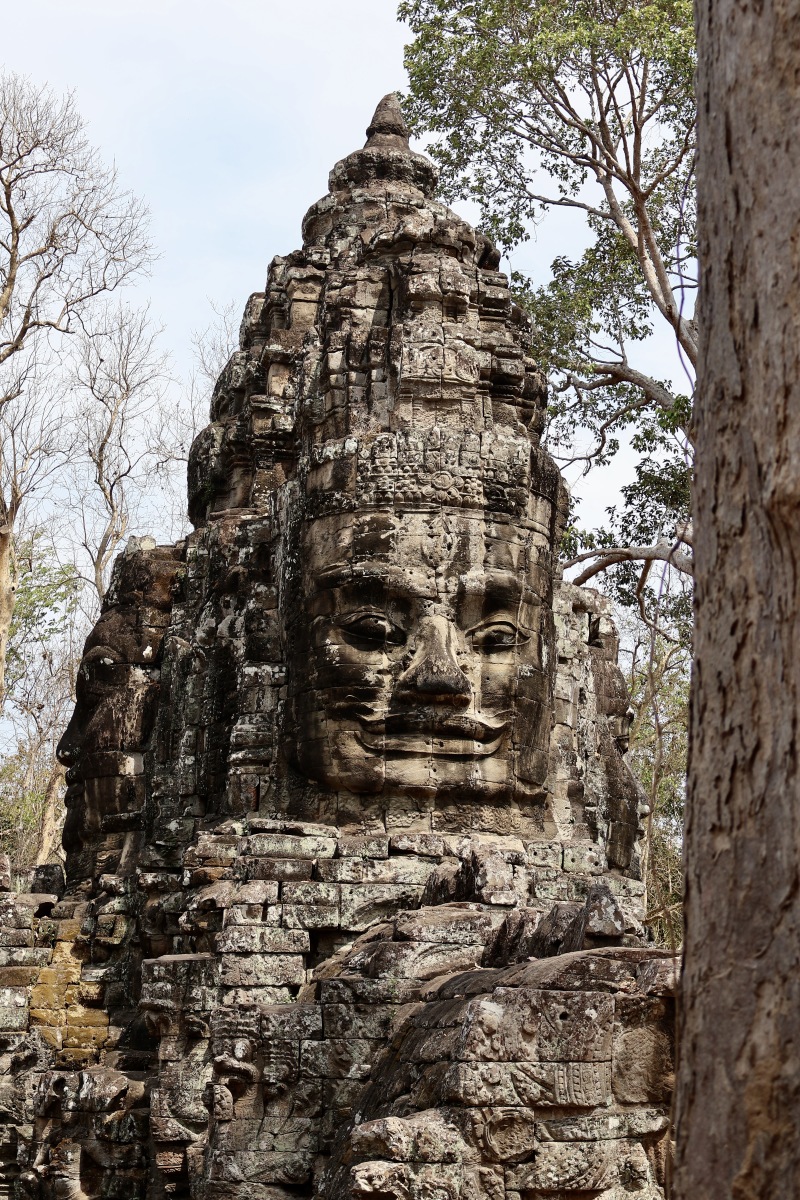
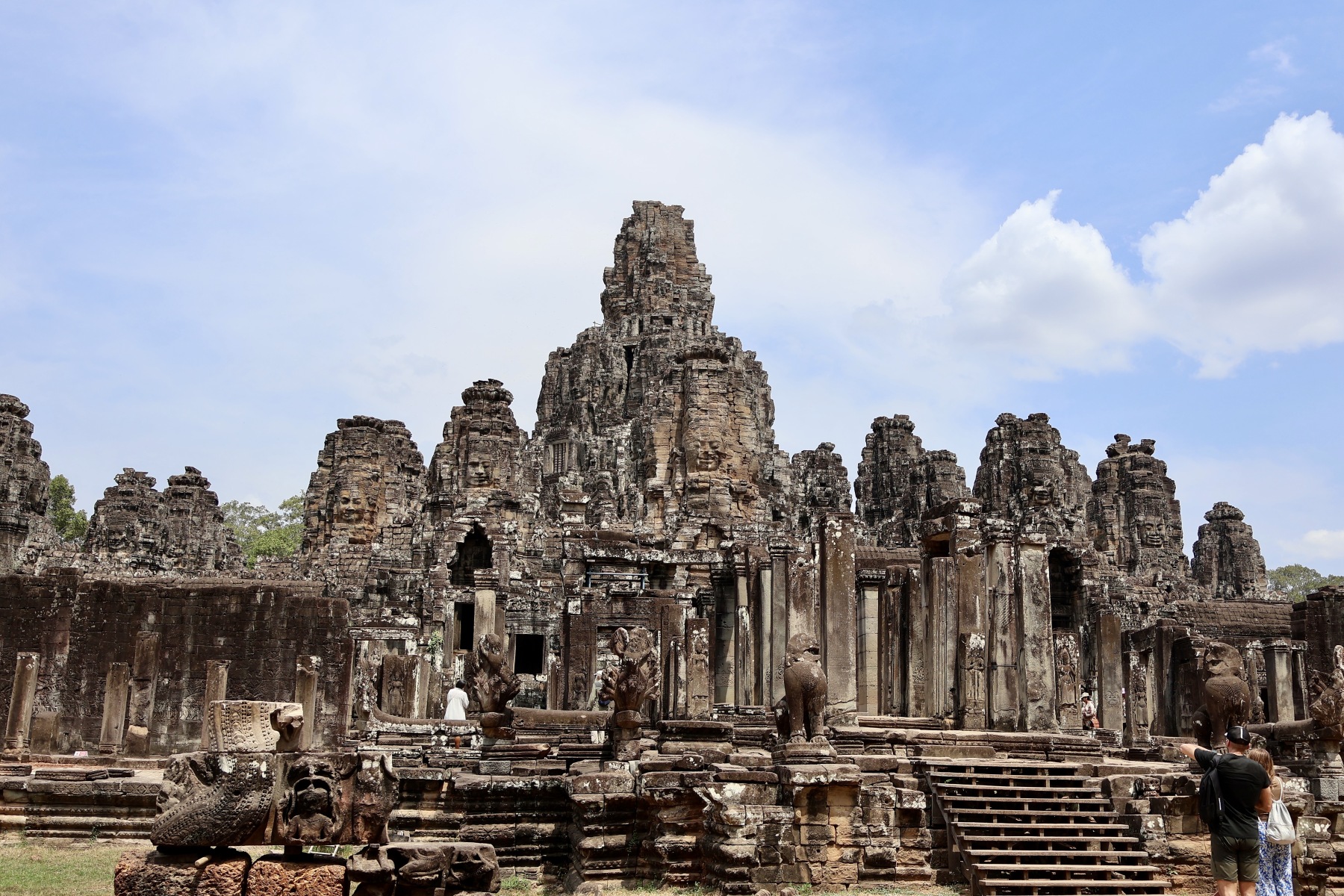
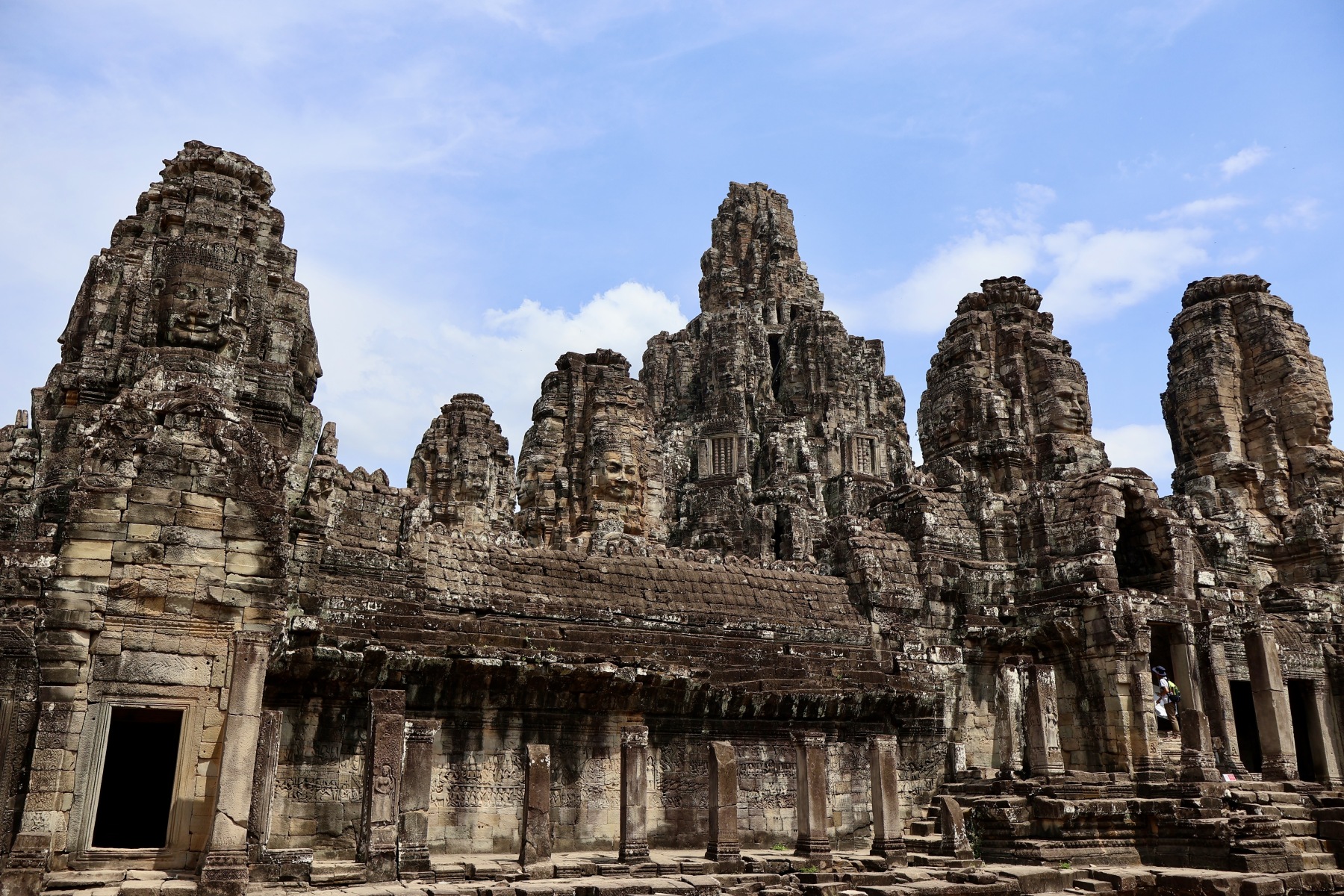
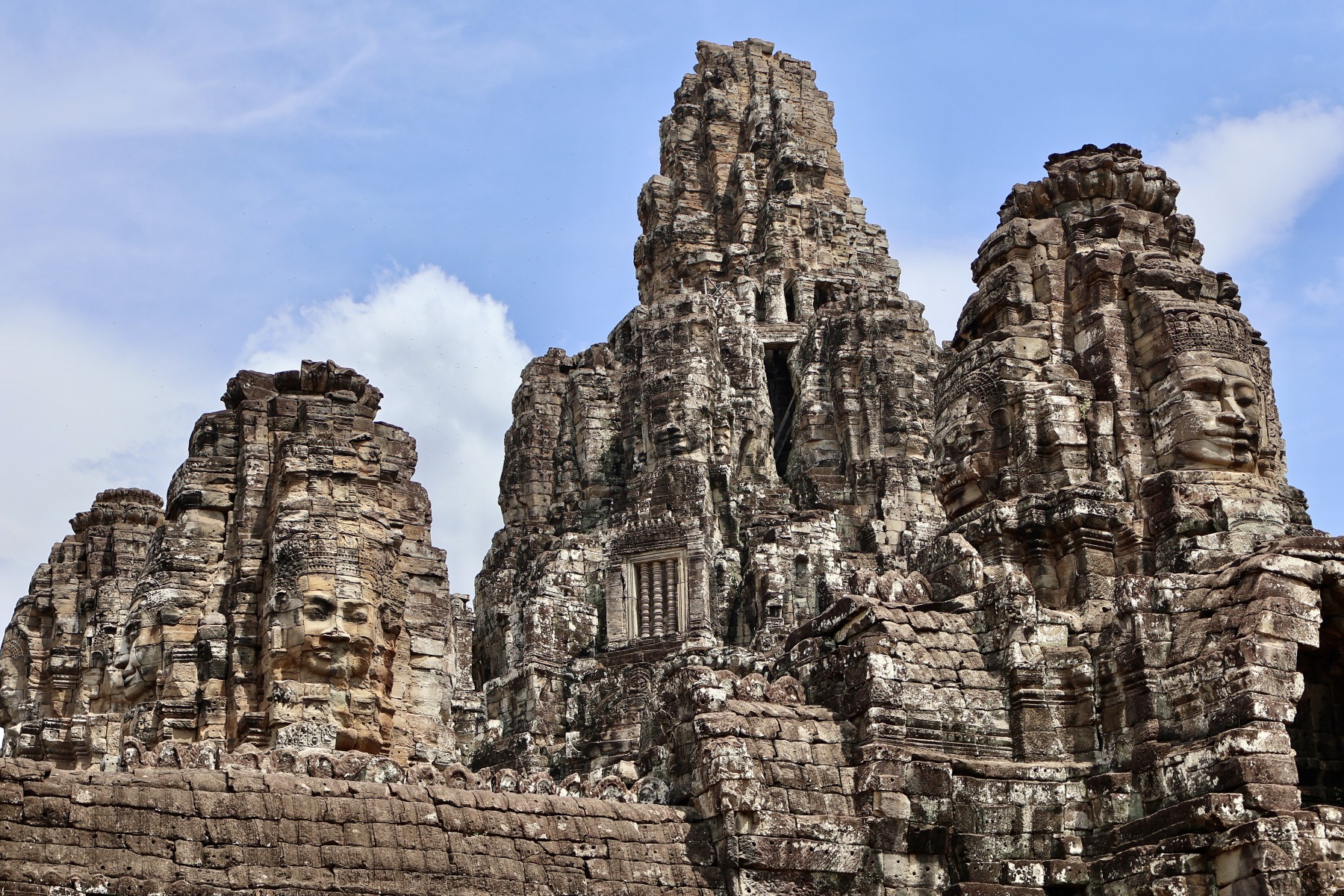
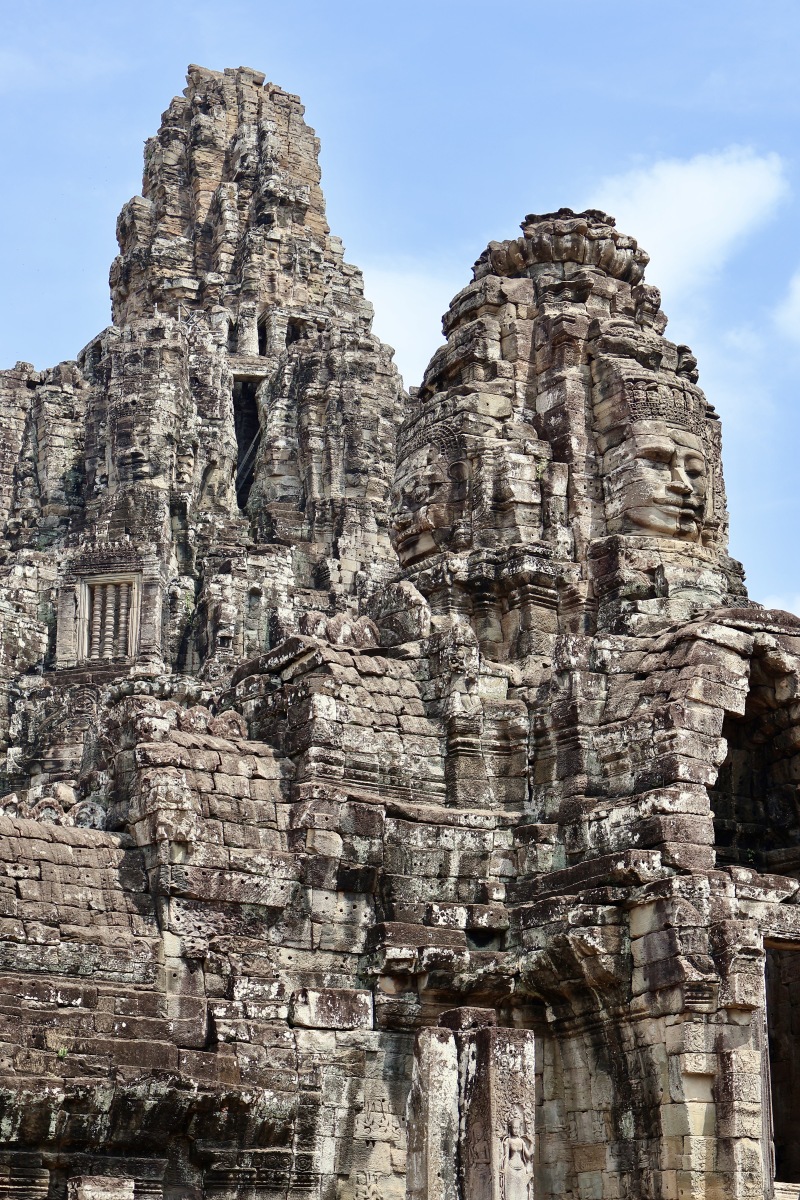
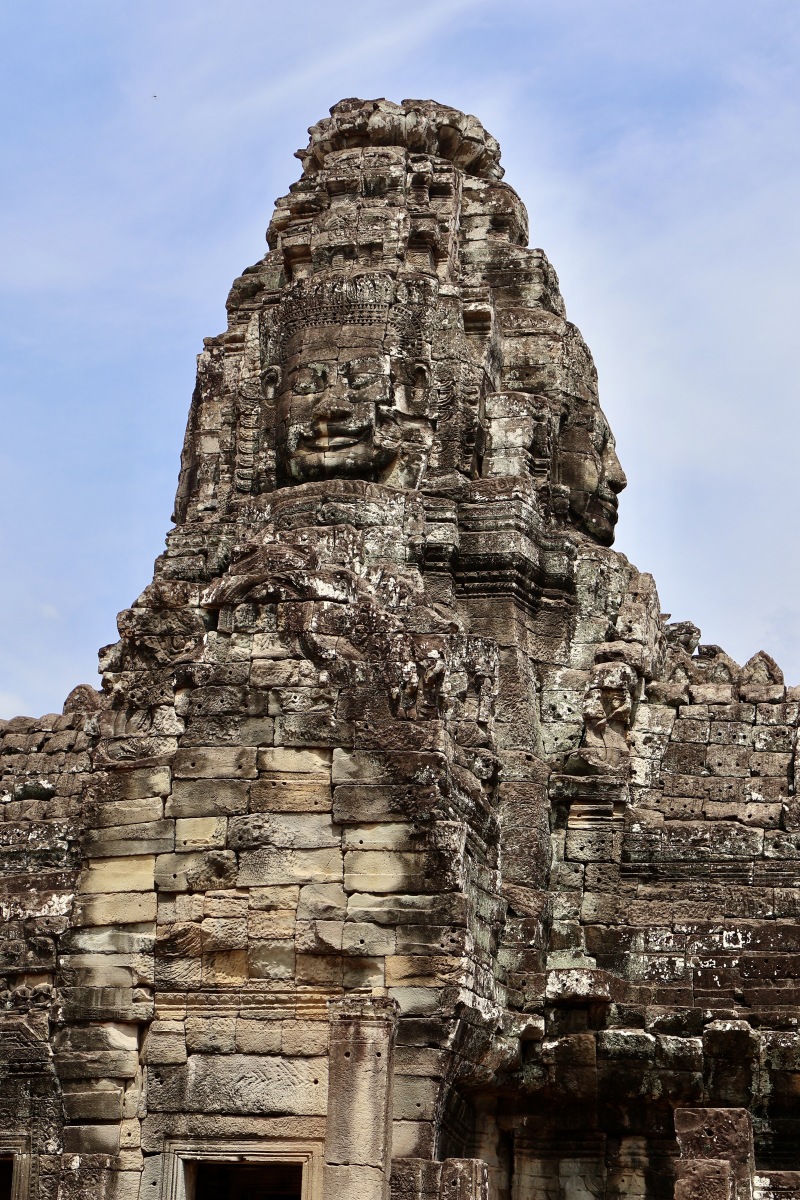
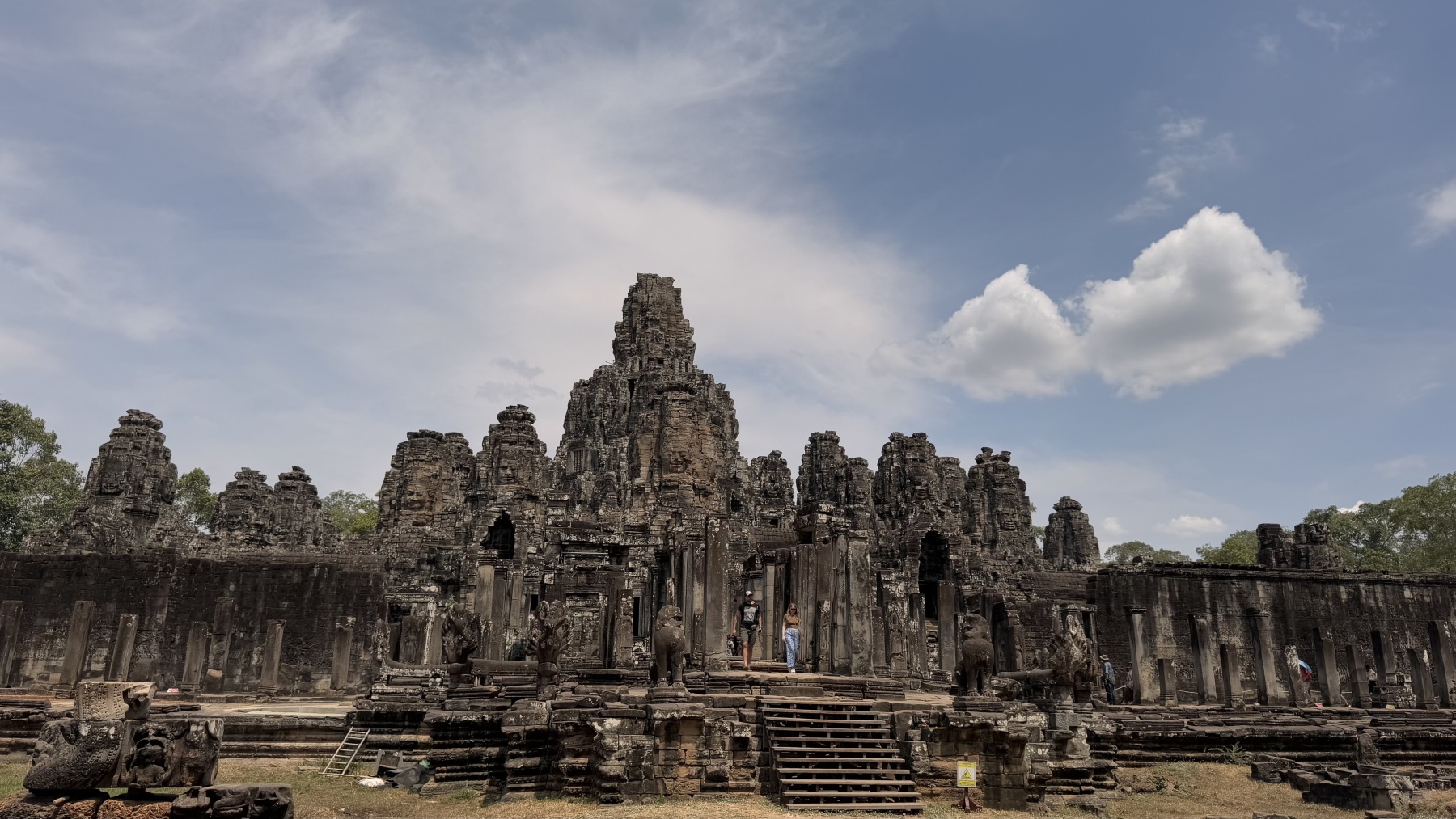
Completed late 12th century by Jayavarman VII. Dedicated to both Hindu and Buddhist deities.
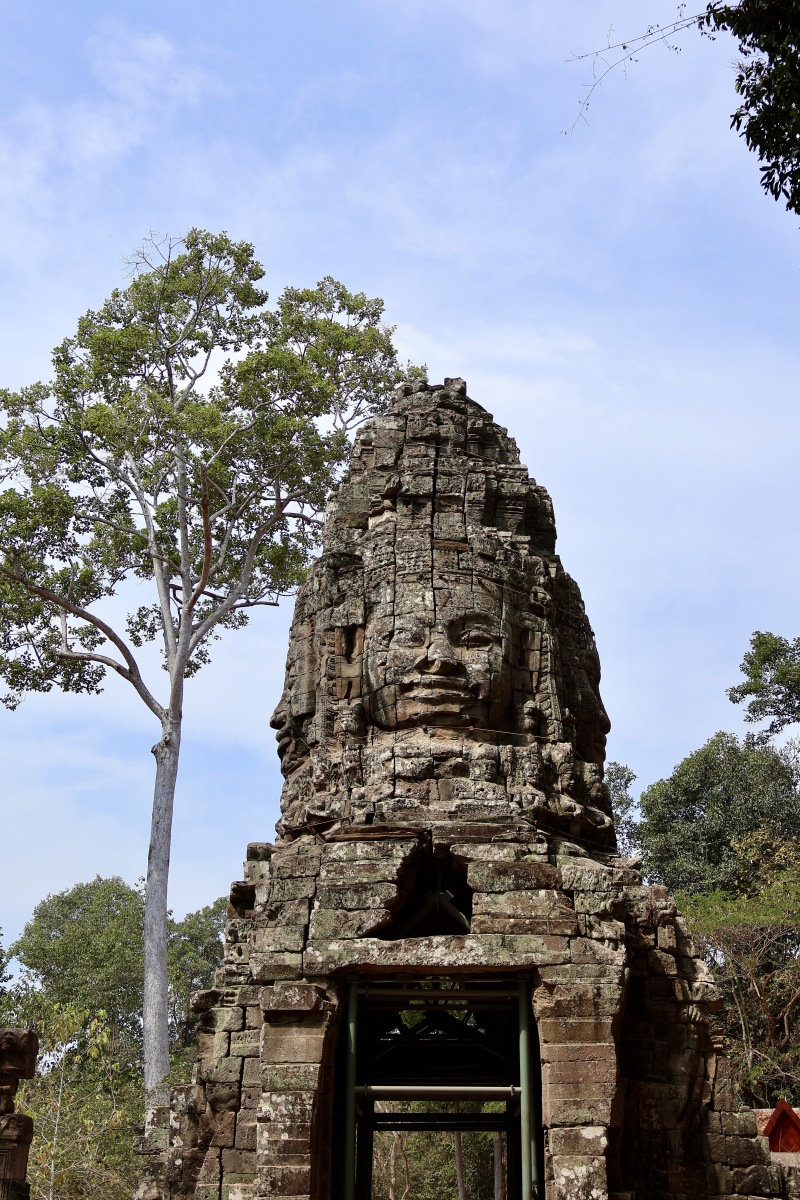
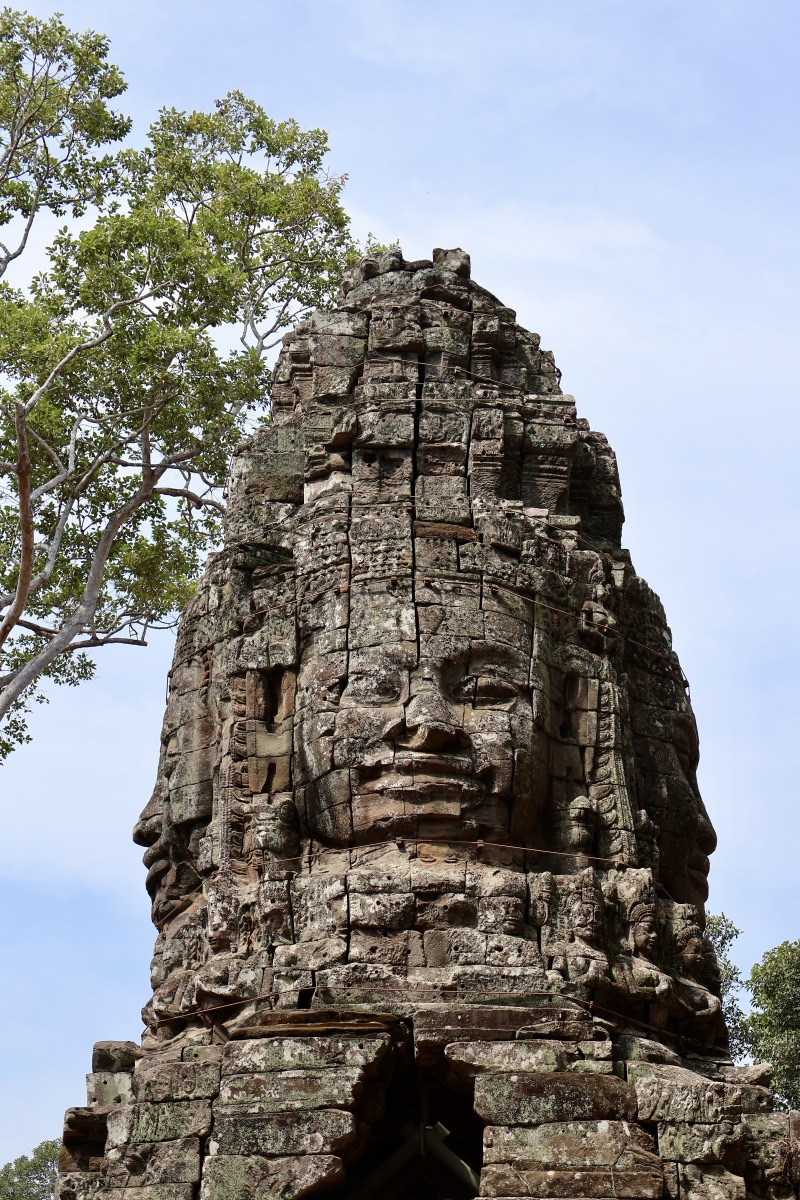
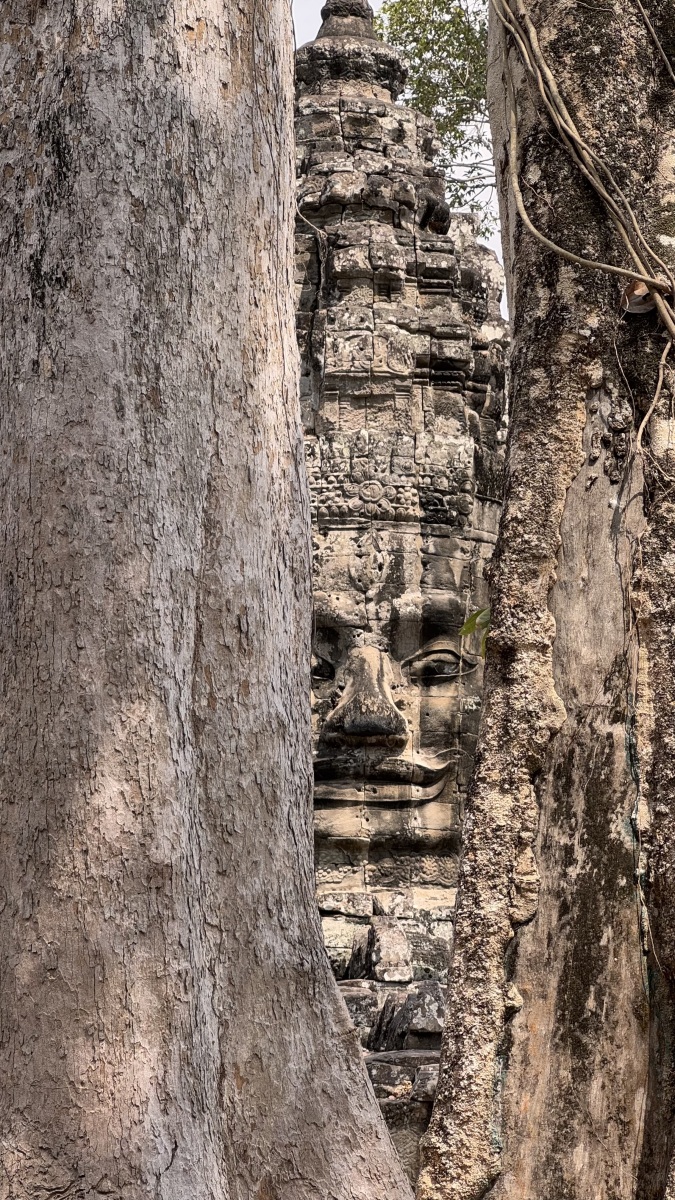
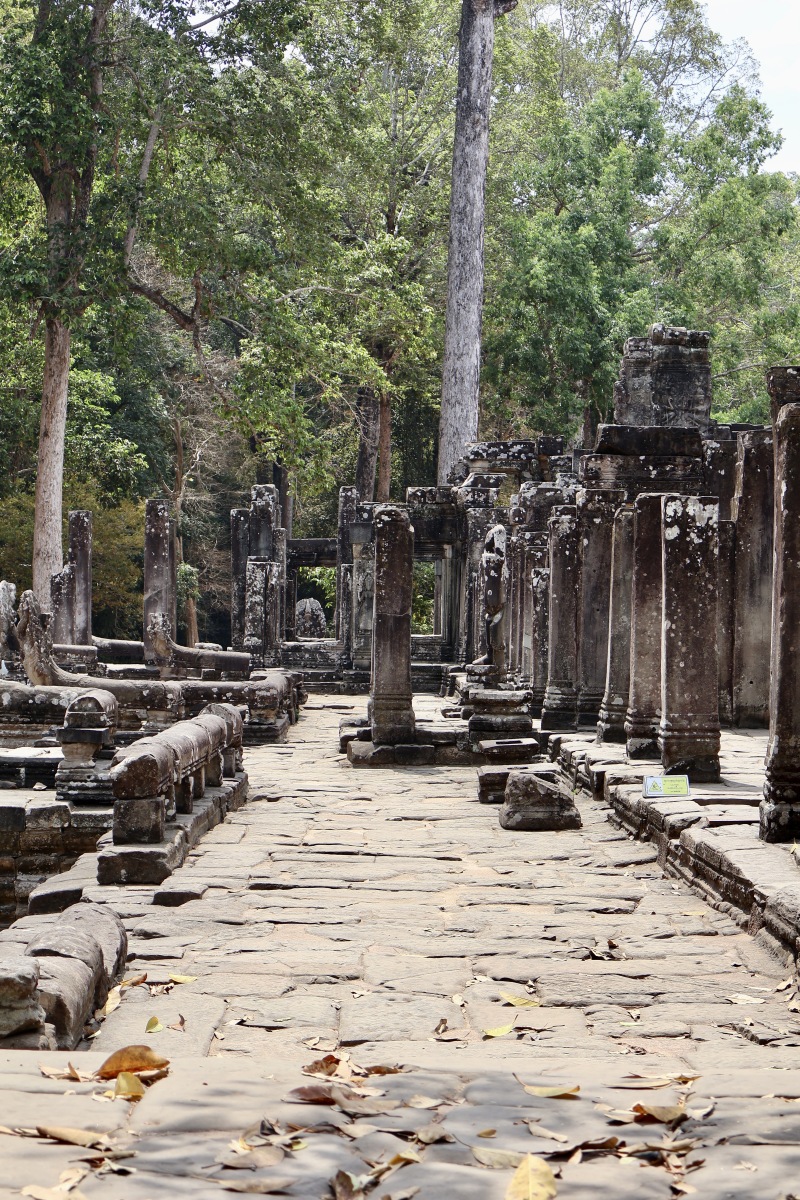
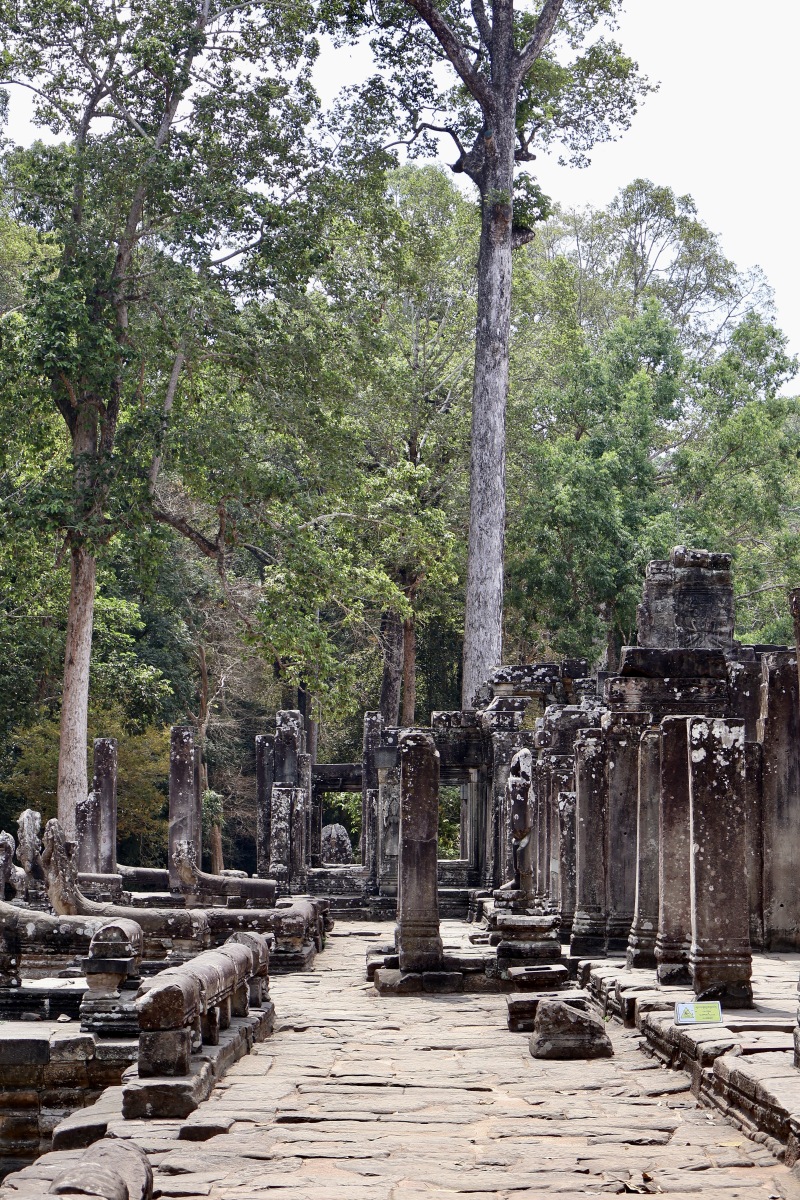
Famous for having around 200 carved faces on 49 towers, this site also features vast gallery walls depicting everyday life and historical events from the Khmer empire.